
Squatters: Nasty pests that destroy plants in spring

Have you been checking your seedlings and found little holes all over them? It’s certainly possible. Freshly germinated or lightly grown seedlings are often infested by squash bugs. These tiny beetles can completely destroy all seedlings and larger plants. They have taken up residence on our horseradish and have worked wonders. Clouds of little black beetles swooped down on the leaves and destroyed them. We will look at the squash bugs in more detail in the following lines.
What do squat bugs look like?
They are basically tiny beetles belonging to the almond family. Their size is really tiny and ranges between 2 and 4 millimetres. They are characterised by their dark metallic colour as well as their strong hind legs. They are also quite shiny. The typical strong hind legs allow them to jump. Basically, they jump like fleas. In fact, the very name squatter is based on the word squat.
On what plants are squatters most commonly found?
Virtually all, but squatters like them best:
– radishes,
– arugula,
– cabbage,
– kohlrabi or lettuce.
Infestations of squash bugs are easy to spot
The fact that the leafhoppers feed on the leaves will clearly reveal a plant infestation. There are lots of tiny round holes in the leaves. Basically, they look like they have been pierced with a needle or nails. Heavily infested plants gradually wither. Especially the seedlings are very sensitive and the squash bugs will kill them. If you touch a squatter, it immediately jumps away.
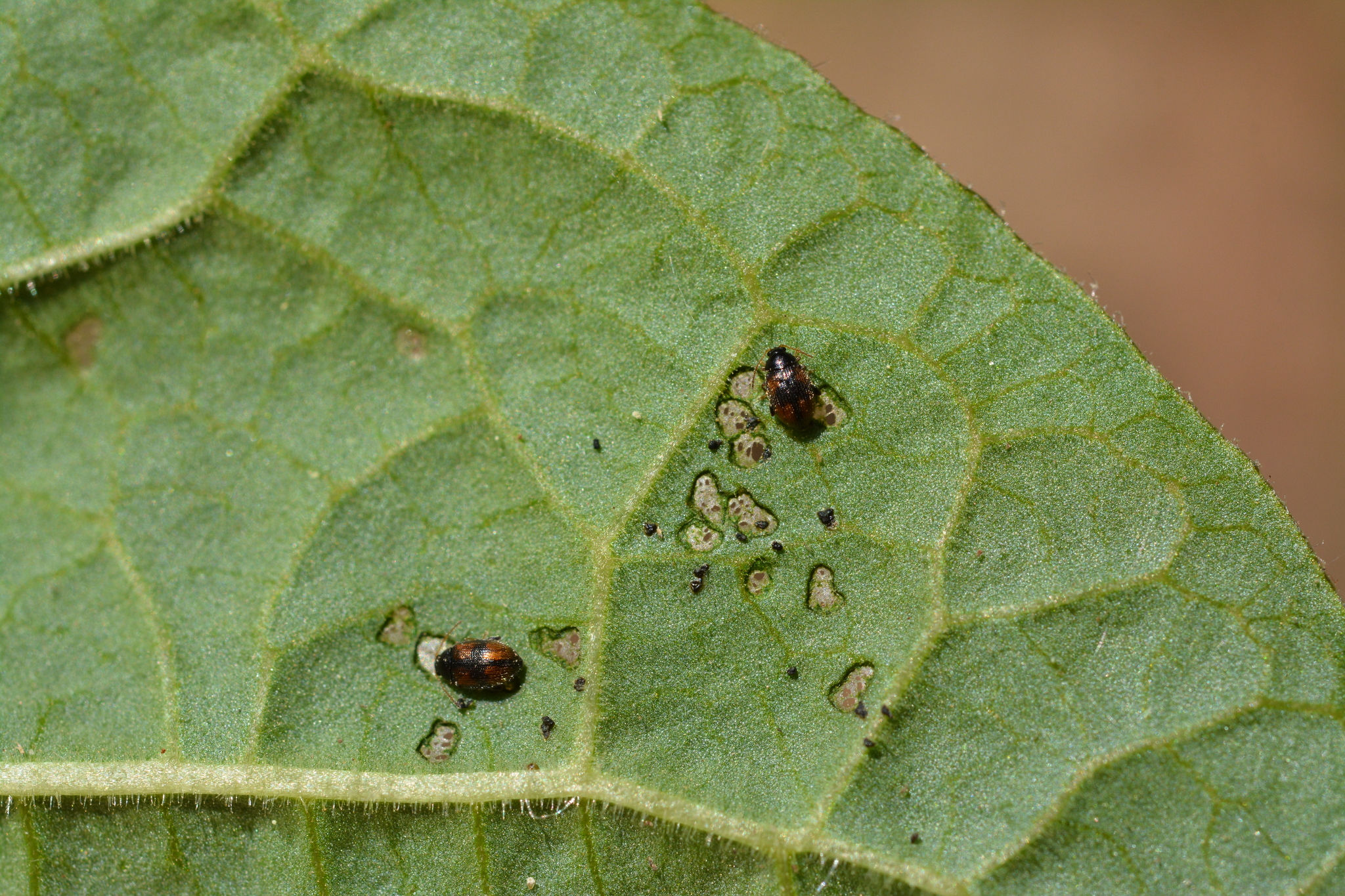
Infestation of a squatter plant: photo by Gilles San Martin https://commons.wikimedia.org/wiki/File:Epitrix_atropae_(01).jpeg
They appear as early as the end of March
When the weather outside starts to get dry and warm, the squatters are happy to take advantage. Plus, they love the light soil near the planted plants. They will start appearing now at the end of March. When the droughts come, there will certainly be many more.
Prevention is simple
There are several ways to prevent squash bugs. Regular watering is a classic, but there are certainly more.
Covering the beds
If you have non-woven fabric, then use it. A fine net will prevent squash bugs from getting to their prey.
Mixed growing of multiple plants
Squash plants may not need marigolds, coriander or garlic.
Natural protection
There are several means of deterring squash bugs. These include stone meal, diatomaceous earth or ordinary wood ash. This can be sprinkled on the leaves.
Sprays against thrips will also help
There are several chemical treatments. Traditionally, these include Karate Zeon 5 CS, Mospilan 20 SP or NeemAzal. However, natural decoctions such as garlic, wormwood or nettle are also excellent.
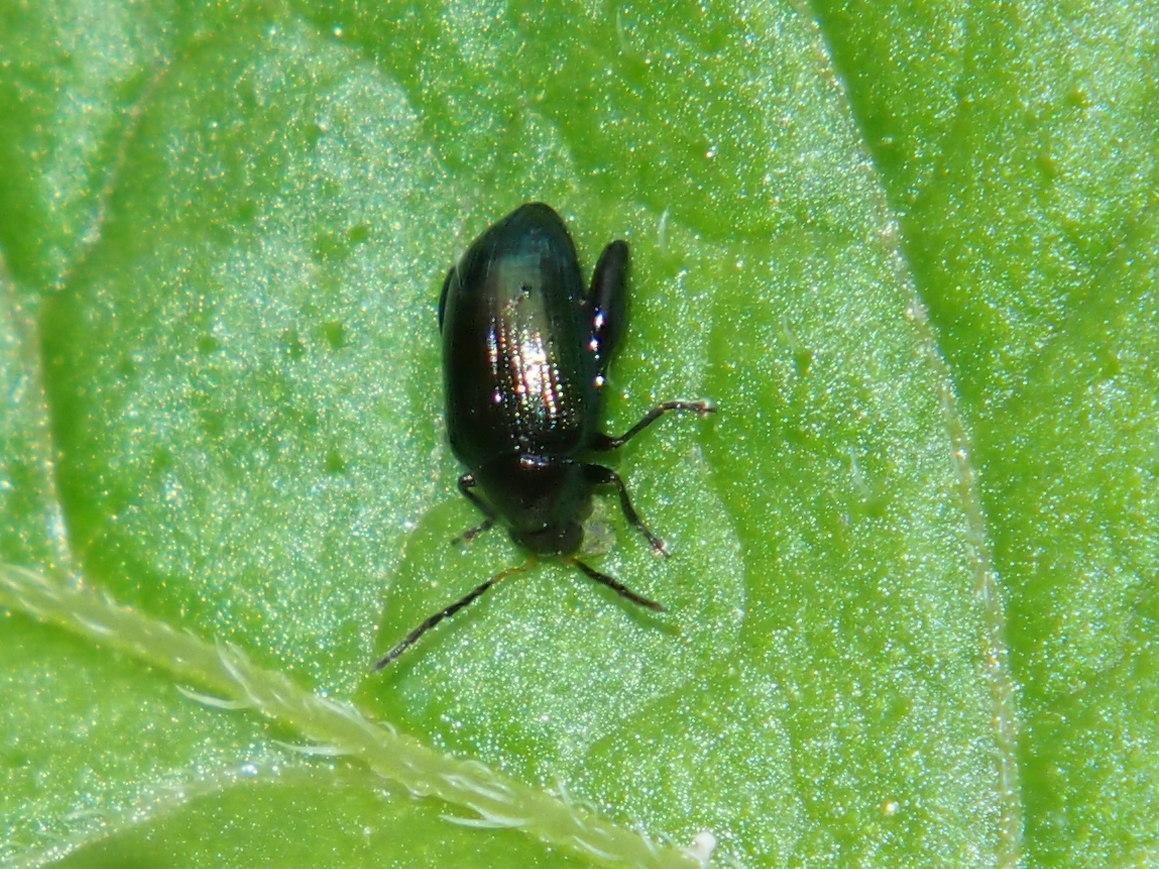
Squatter: Photo Mark Marathon https://commons.wikimedia.org/wiki/File:Australian_flea_beetle.jpg
FAQ – Frequently Asked Questions about squatters
When do gnats start to cause harm?
Around the end of March.
What is the ideal prevention?
Covering the bed with non-woven fabric or sprinkling the plants with ash.
What sprays are best?
Karate Zeon 5 CS, Mospilan 20 SP or NeemAzal
Sources of info: Author
Preview photo: Katja Schulz https://commons.wikimedia.org/wiki/File:Flea_Beetle_(28739524831).jpg



Gardening is my hobby, I have a lot of experience and I am happy to share it.


.jpeg)

.jpg)
0 comments