
Slugs, aphids, larvae: When to control early May pests and when not to
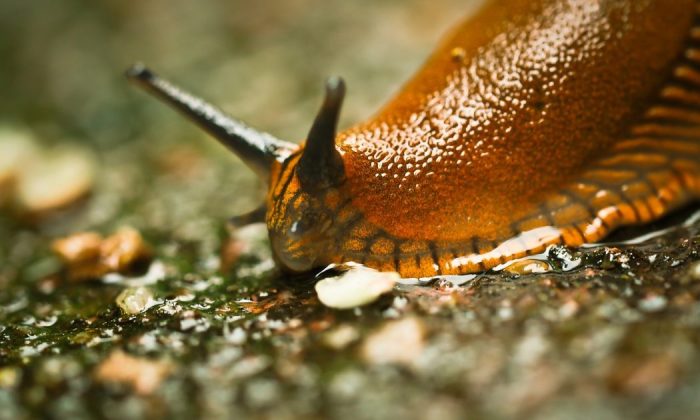
Spring is in full swing, and many plants are already visible in the garden. Lettuce and radishes, for example, are even being harvested. Many other plants are already in the garden beds, growing stronger and larger so they can eventually bear fruit. We’re thinking of tomatoes, peppers, or perhaps melons, squash, and many others. Unfortunately, having many plants in the garden beds also means dealing with pests. Their rampage can be literally boundless and devastating. With many, you need to start fighting them right away, while with others, it’s best to wait a little longer. In this article, we’ll focus on the first pests and also discuss when it’s worth taking action and when it isn’t.
What makes the first pests so treacherous?
Primarily because at first, you think there aren’t any pests yet. Plus, they’re often tiny, so they’re very hard to spot. Nevertheless, it’s not worth underestimating them. A few of them aren’t worth worrying about. It is precisely this mindset that has cost a huge number of people their harvest. On the other hand, some people spray their plants immediately when a single small beetle appears. In doing so, they may destroy far more than they realize.
Slugs as a Spring Menace
Slugs undoubtedly pose one of the greatest dangers to young plants. They attack small plants in May. They can destroy seedlings in an instant. Lettuce, in particular, is constantly at risk. Slugs attack at night. That is another reason why it pays to take action, perhaps immediately, once the plants are in the garden bed and the ground is damp. If the plants are larger and it’s dry, we can safely wait a bit longer. There are several ways to get rid of slugs. The classic method is to collect them, but barriers made of ash, sawdust, or wood chips are also excellent.
Tip: Slugs are destroying your plants. How should you take action?
It’s worth monitoring aphids for a while before taking action
In the case of aphids, we shouldn’t panic at the first sign of them. Yes, aphids look scary and can cause significant damage, but they often attract natural predators, so nature may take care of the initial problem on its own. We should take action when larger colonies begin to form and a significant number of leaves become deformed. The plant will then clearly start to weaken. However, if ladybugs appear and the larvae of other predators are visible, it’s worth waiting. Excessive spraying can also kill these helpful creatures.
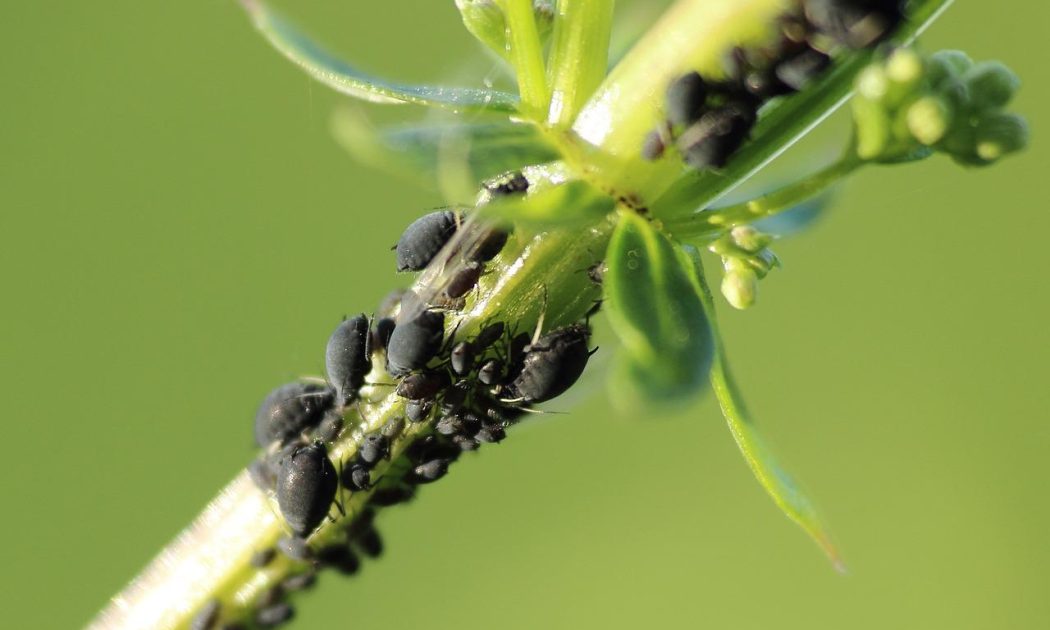
Photo: Pixabay
Larvae in the Soil
Larvae directly in the soil can also nibble on and destroy plants. We should be on the lookout the moment the plant begins to weaken. It literally withers, and at first glance, no obvious cause is apparent. The ideal solution is to mechanically remove the larvae directly from the soil.
FAQ – Frequently asked questions about May garden pests
Which pests most commonly destroy plants in May?
Slugs, aphids, and larvae in the soil.
When should you take action against slugs?
Right at the beginning, when the soil is moist and the plants are small.
When should aphids be controlled?
As soon as they form larger colonies.
Sources: Author, Meta
Photo: Pixabay



Gardening is my hobby, I have a lot of experience and I am happy to share it.


0 comments