The natural compass of the soil: weedy plants tell you a lot

You know, when weeds grow in your lawn or even in the pavement, it’s just for spite. One tries to find the ideal way to keep these plants out of those places. But often it is not a bad thing to know the weeds and be able to identify them correctly. In fact, weeds can act as a great natural compass that can tell you a lot about your garden. We will therefore focus on such plants in the following lines. Maybe they will help you to identify a problem in your garden.
Calcium deficiency alerts you to calcium deficiency
You might think that this weedy flower grows everywhere. However, it’s the calcium deficiency in the soil that alerts you to a lack of calcium. Naturally, this will have a negative effect on the growth of specific crops.
Merlin and bird’s-foot trefoil as an indicator of the creditworthiness of the substrate
The white merlin is also a well-known plant. This is found in soil that is usually quite rich in organic matter. This is certainly a positive for you, as there is no need to fertilise further. This kind of bird’s-foot trefoil indicates a well-balanced soil, which directly encourages the cultivation of crops.
Lack of nitrogen? The clover will show it clearly
If there is little nitrogen in the subsoil, you will find creeping clover growing in abundance. You will need to fertilise and enrich the soil with nitrogen, otherwise the plants will not thrive.
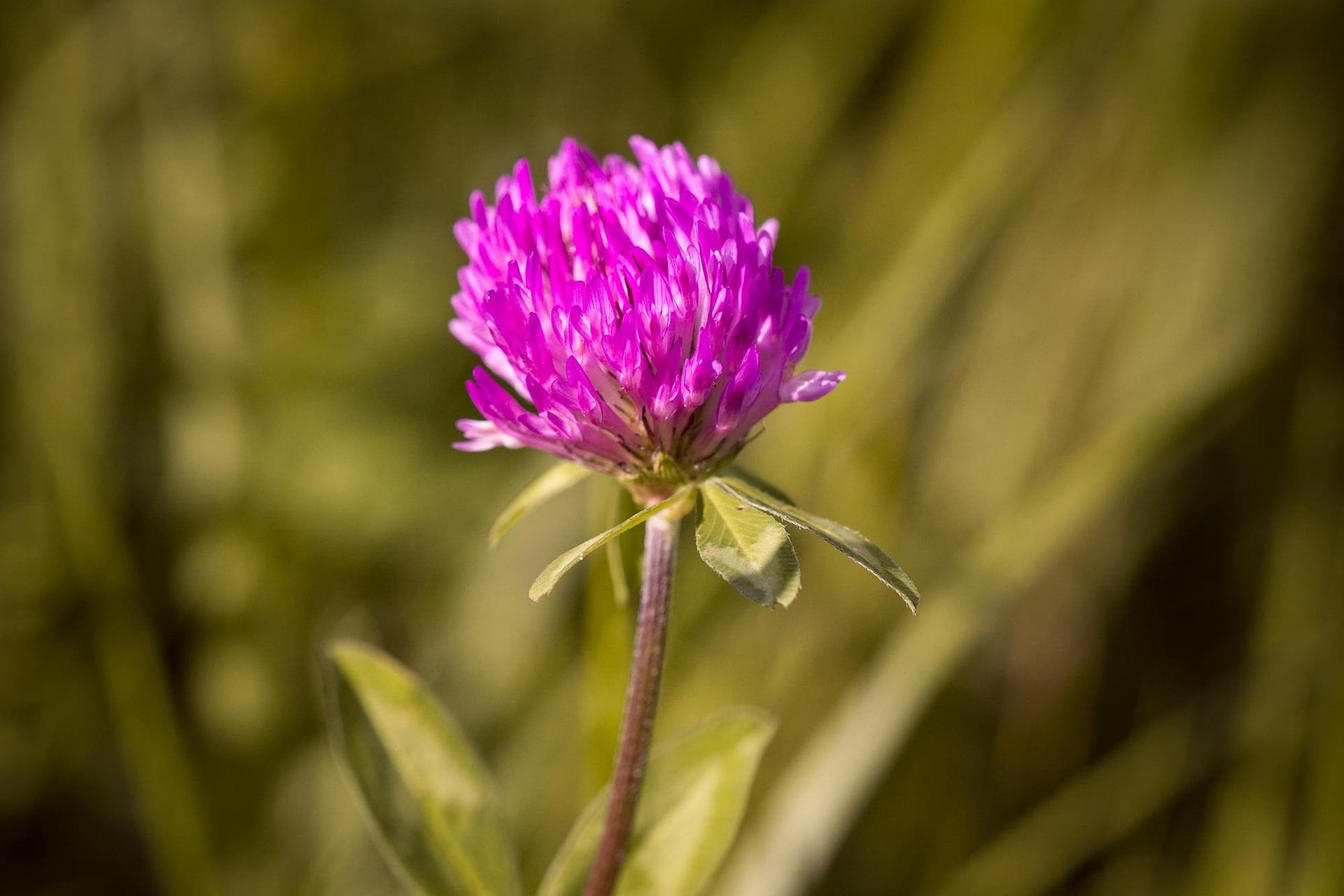
Photo: Pixabay
Disturbed soil? The curly-leaf pondweed will point it out
It’s true. For you, it will be an indication that the subsoil in that location needs much better care.
The horsetail will indicate acidity
Horsetail is an excellent indicator of soil acidity. But it will also alert you to waterlogged subsoil. In this case, the drainage of the bed needs to be improved.
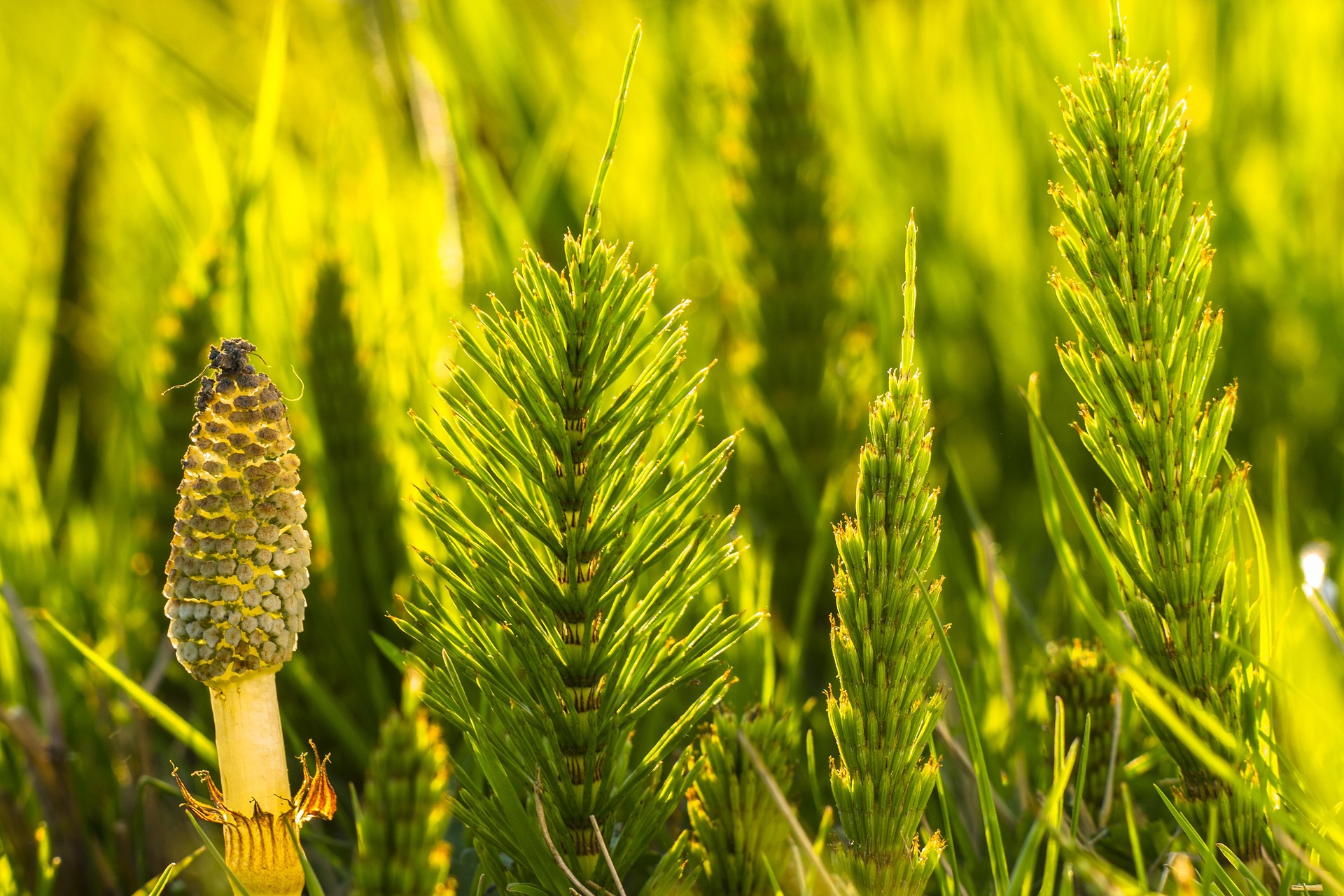
Photo: Pixabay
If you find sorrel, aerate
Sorrel is an indicator of very dense soil which is also very acidic. The substrate needs to be well aerated.
What about plantain?
This herb grows in very dense soil. It points to the need to loosen and regenerate the soil.
Many plants, in short, can help in understanding any subsoil. No complex analysis is required.
FAQ – Frequently asked questions about weedy plants
How do weeds point to a given substrate?
Each plant has completely different soil and growth requirements.
How do I know if there is a lack of nitrogen in the soil?
Traditionally, clovers grow in it.
How do I know if the substrate is acidic?
Usually horsetails grow in it.
Sources of info: Author
Thumbnail photo: Pixabay



Gardening is my hobby, I have a lot of experience and I am happy to share it.


0 comments