
Grow olive tree at home and enjoy home-grown olives
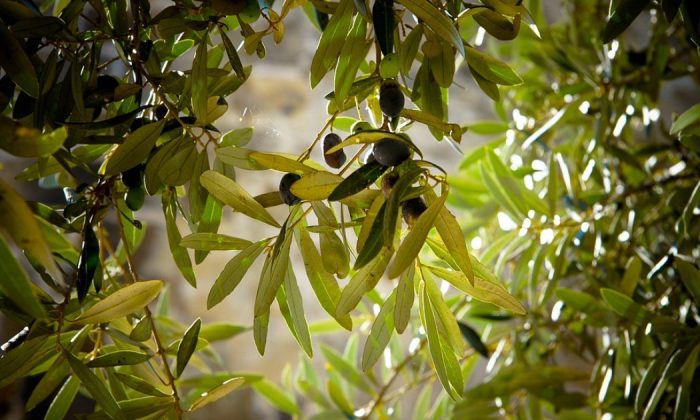
The European olive tree is a nice and majestic tree. You can see this tree in almost all Mediterranean-style gardens. It is just the “right” size to fit any garden but you can grow it in balconies or terraces too. Olives are healthy and are often added to great snacks, but they are also used in beauty products and medicine. Olive trees are most popular in Greece, Spain, Italy and Morocco. It can reach a height of 10 m, but if you grow it at home it reaches 2 to 3 meters.
Long-lived olive trees
Some olive trees can live for thousands of years! Anything that lasts that long must be in great health, right? Indeed people know that olives are healthy and believe that olives will help them to live longer. The good news is that you can successfully grow olive trees both indoors and outdoors. However if you do, keep in mind that an olive tree cannot handle cold winters so you need to grow it in a pot. Olive trees have the typical green to greyish leaves and you can shape them to your liking: you can shape the crown by cutting but you can also trim the trunk and branches and create trees similar to bonsai trees.
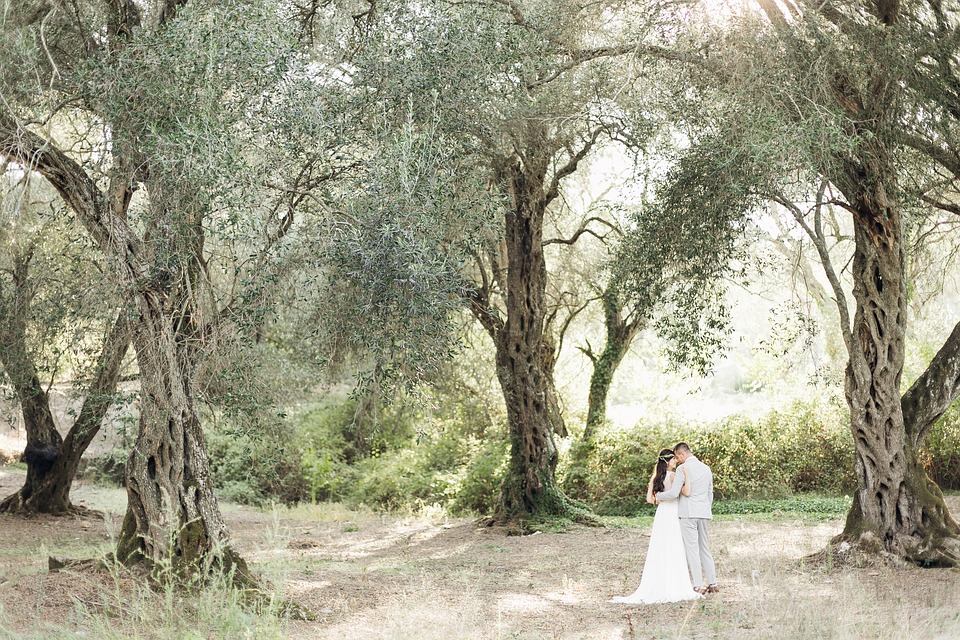
Photo: Pixabay
Can you actually harvest your own olives?
Well, no. You should know that before you get all excited, but older and well-established trees do flower and bear fruit, even if they grow in pots. However, they produce small olives which taste worse than those you can buy in supermarkets. But remember that the tree is very attractive and small olives serve as a great decoration.
Soil requirements
An olive tree will grow in a stony and less fertile soil. The soil pH should be from 6 to 7 and it should be light and permeable. Make a drainage layer at the bottom of the pot. Use expanded clay. Olive trees love sunlight, so you need to place them near a south-facing window. A good idea is to take the pot outside in summer but make sure the spot is protected from strong winds. Watch for the temperature. Should the temperature fall down to -5 °C, you need to move trees indoor. But lower temperature, even below zero, promote flowering. If you want to “help” you tree with the flowering process and bear more fruit, leave it in a cooler place for two to three months a year.
Watering and fertilizing
Olive trees deal well with droughts, but what they cannot deal with too much water! No trees should sit in water or grow in waterlogged soil, but you should keep the soil constantly moist a bit. So, water often but very lightly. You may add an organic fertilizer once a week, such as vermicompost for example.
Summer and winter
When you are certain that outside temperature will not drop below 15°C, move your olive tree outside (garden, balcony, terrace). Chose sunny location of course and when the winter comes, move your tree to a bright, sunny, but cool room and reduce watering (water every 4 to 5 days). When you use the heating system and the air is dry, especially during the heating season, you should moisten leaves by spraying – every day.
Source:
https://fajnyogrod.pl/…em>
https://abecedazahrady.dama.cz/…em>
Preview photo: Pixabay



Gardening is my hobby, I have a lot of experience and I am happy to share it.





0 comments