Plowing vs. no-till methods: Who came out on top?

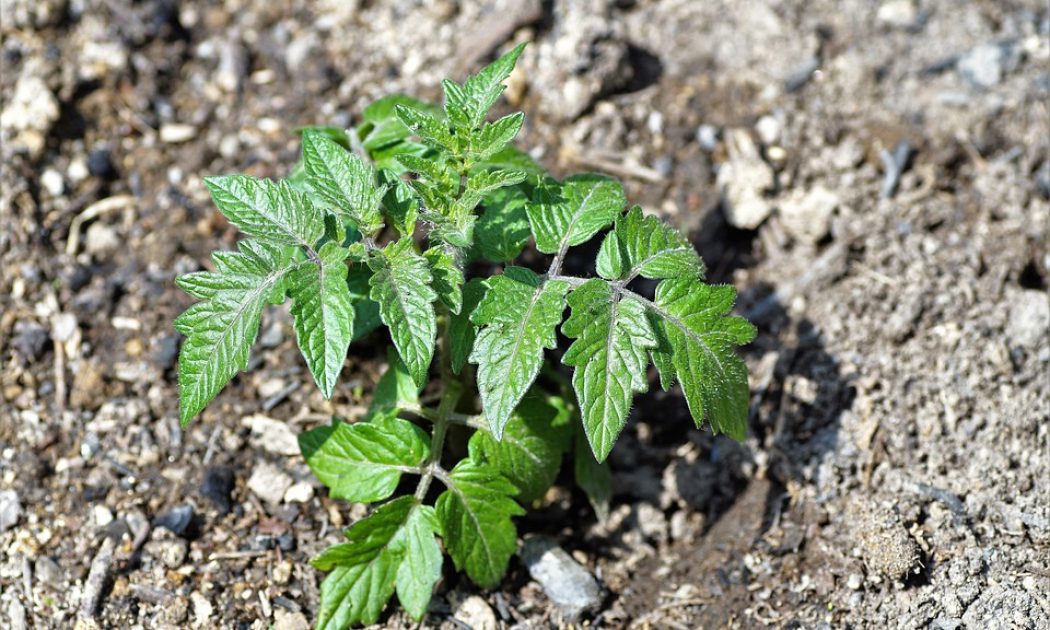
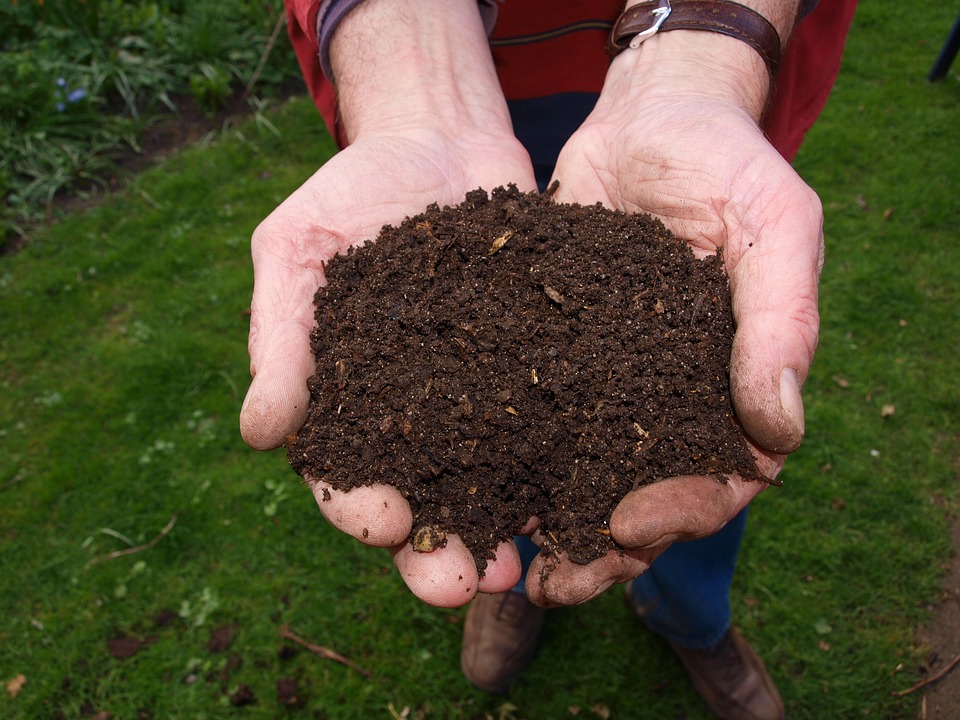
The condition of the soil in the spring is extremely important. It is the soil that often determines the success or failure of growing various crops. No matter how good the seedlings or seeds are, they won’t thrive in poor-quality soil. A plant will certainly not thrive in waterlogged soil as well as it would in soil that offers optimal conditions. In the following paragraphs, we will focus on how to work with the soil. Specifically, we will look at both traditional and no-till methods. Both have their merits.
Traditional tilling has its pros and cons
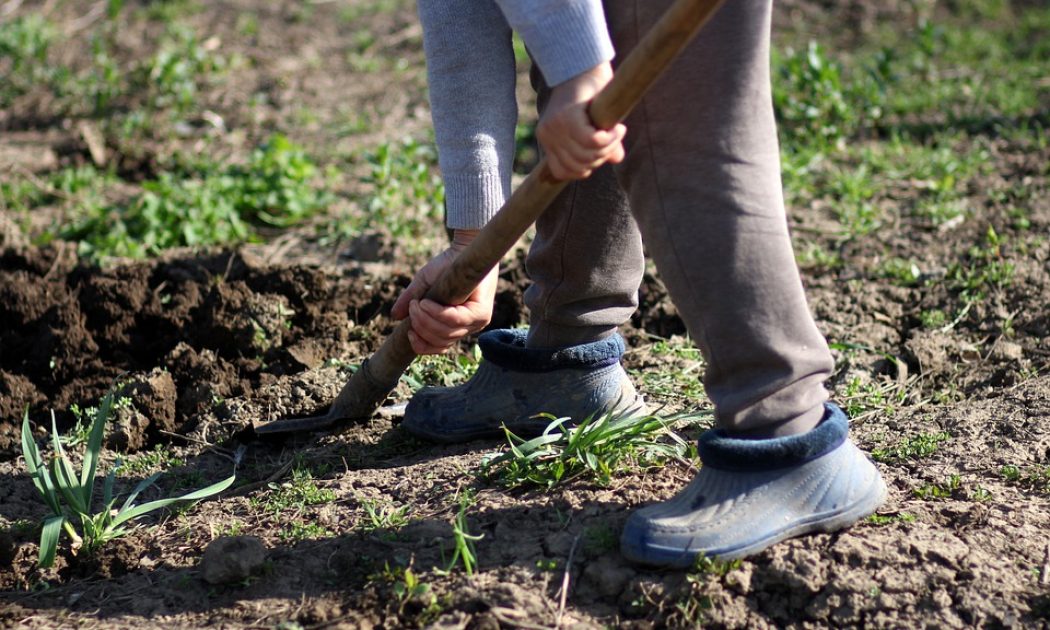
Definitely. This is the traditional method of preparing a garden bed. In other words, it has been practiced for centuries, and many of us have had excellent results with it. Digging is the ideal choice for heavy soils that are abnormally rich in clay. It is also excellent for new garden beds and in areas where the soil is very compacted. Digging thoroughly loosens and refines the soil. As a result, such soil is much easier to work with.
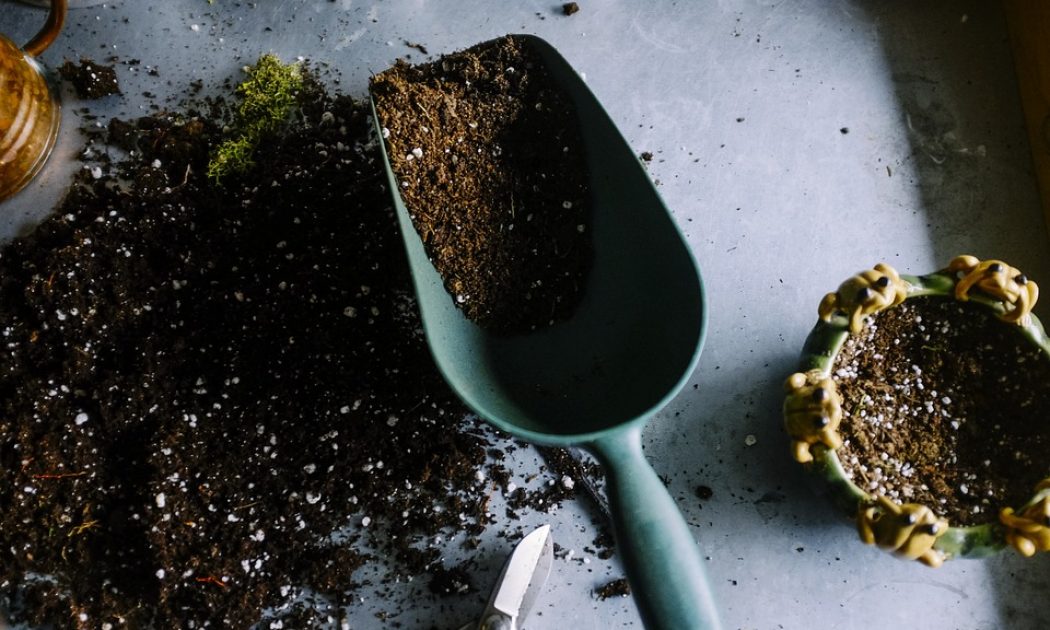 Photo: Pixabay
Main advantages of digging:
- Excellent soil aeration,
- incorporation of organic matter into the soil,
- breaking up compacted layers.
Disadvantages of digging:
- Disruption of soil life,
- damage to wet soil.
Digging should only be done when the soil is sufficiently dry.
No-till farming
This method is becoming increasingly popular, especially for light and medium-textured soils. It is excellent for both long-term garden beds and purely organic crop cultivation. The soil is not dug much; it is often only loosened, and very gently at that. Organic matter often remains on the surface of the bed itself. This method is excellent for established beds.
Tip: Starting a compost pile is simple. You can definitely do it too.
How to improve the soil?
There are several alternatives. You can improve it, for example, with:
- Compost—it provides nutrients and supports microorganisms.
- Manure—use sparingly, not in the spring but in the fall.
- Sand—suitable for heavy soils; improves drainage.
- Peat—ideal for heavy and acid-loving soils.
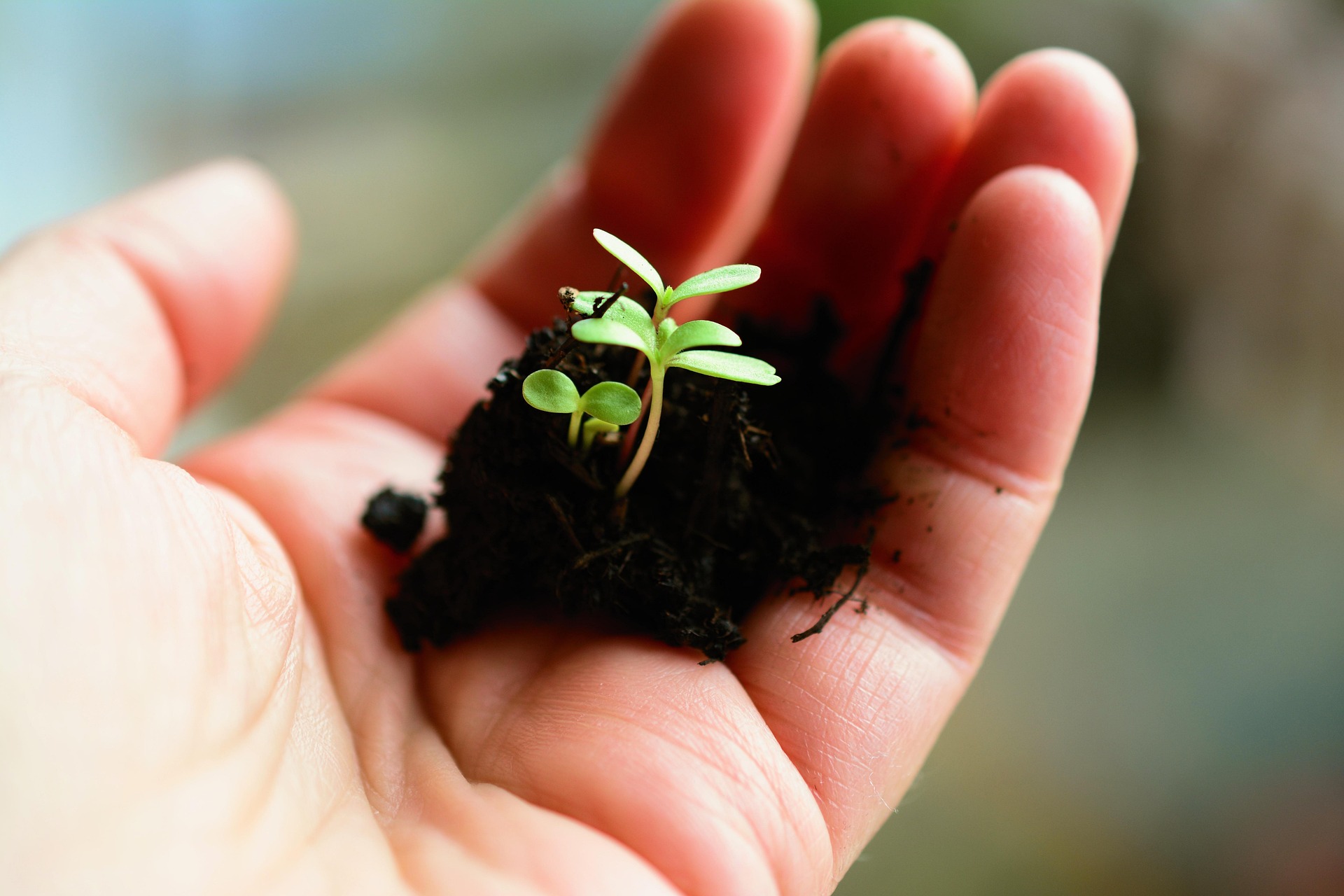
Photo: Pixabay
FAQ – Frequently asked questions about digging and no-till methods
When is it worth digging a garden bed?
For heavy soils, when the soil needs aeration.
When is the no-till method suitable?
It is excellent for long-term cultivated beds.
How to improve the soil?
With compost, manure, or peat.
Sources: Author, Meta
Preview photo and photo gallery: Pixabay



Gardening is my hobby, I have a lot of experience and I am happy to share it.


0 comments