
Can you tell fake honey from the real stuff?
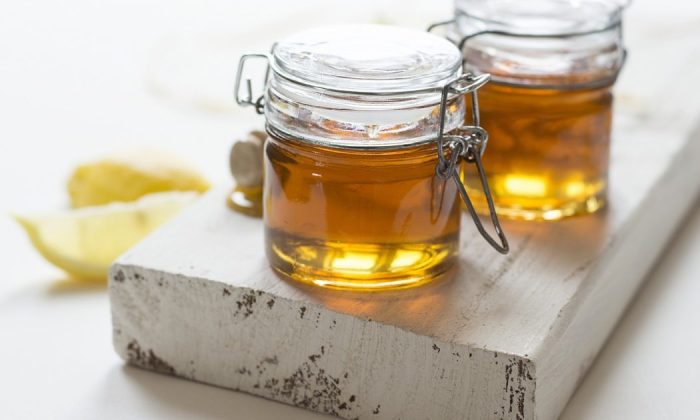
Many people love honey, but allergies are on the rise and not everyone can enjoy honey. If you are the lucky one who can great because you can use honey as a substitute to sugar, but also as a health-promoting food. However, you need to make sure that you have a high-quality honey and not the degraded sugary stuff.
Fake honey
If you add sugar or sweet syrups, such as corn or cane syrup, you will significantly degrade a perfectly good honey. You can tell that something was added if you taste it. If you do not get the distinctive taste of honey or the typical mild burning sensation in your throat, you know that you do not have the real product. If you bring honey home and it will not crystallize after some time, you know that something was added. Crystallization is a natural process and it depends on the type of honey; spring honey, especially rapeseed honey, crystallizes very fast – within few days but a pure acacia honey will not crystallize even after a year. But this type of honey is expensive and not readily available just like other single type honeys. Fake honey may be too thin. A real honey is viscous, stretches and does not flow easily. A fake honey often separates into layers after certain time.
Coloured honey
A coloured honey is usually faked too. People regard dark honey as a high-quality product and that is why manufactures add caramel or chemical dyes to honey. Definitely do not buy cheap dark honey unless you know its origin.
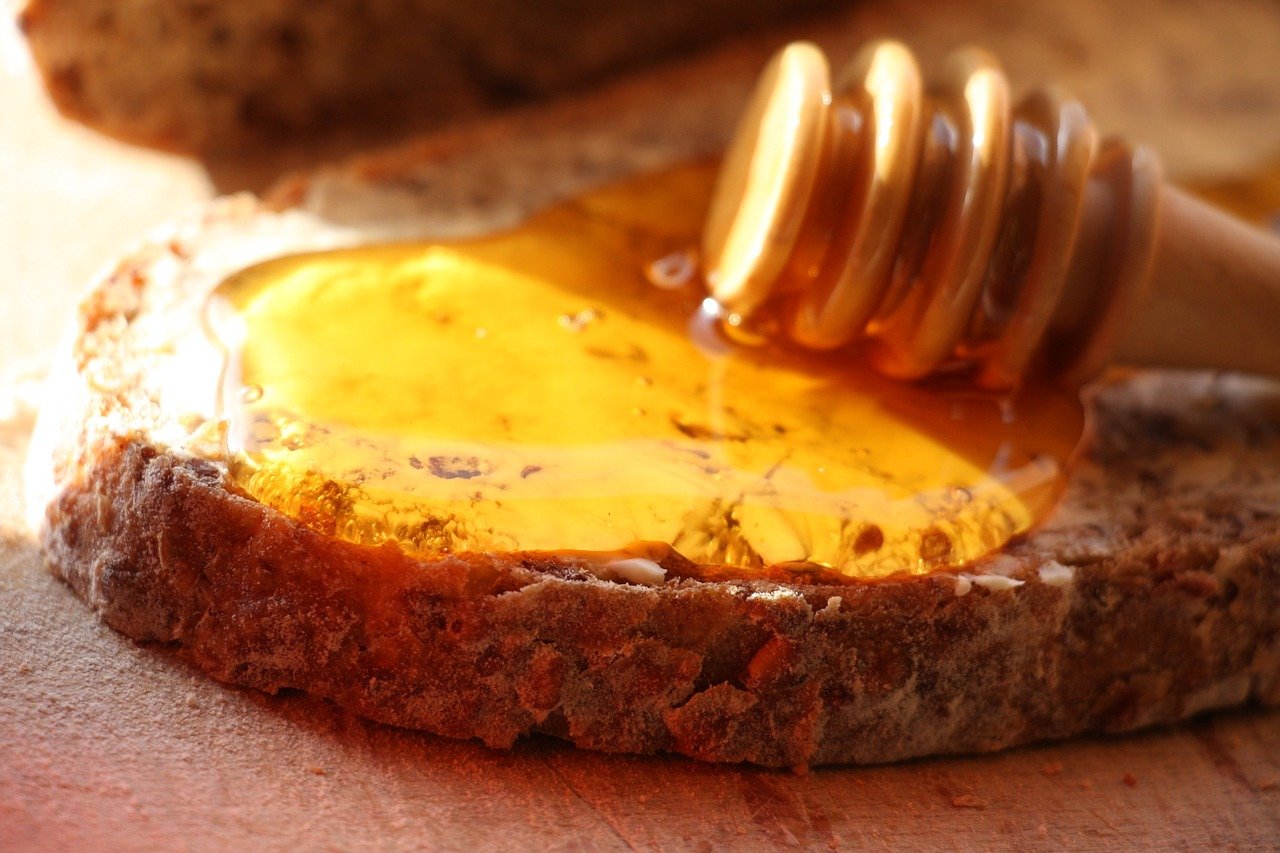
Photo: Pixabay
Honey damaged by heat
Too much heat also destroys honey and all vitamins, enzymes and other beneficial substances. The taste and colour will change too. It may become much darker, even bitter, or it may taste like caramel. Honey can withstand temperature of up to 45 °C and still retain all its properties. You should not buy honey that is too dark, unless it is from a well-known beekeeper or it is a wild honey from a forest, but this type of honey has a specific taste and is more expensive than a regular honey.
Watch out for honey produced outside the EU
Last but not least, be careful when buying imported honey, especially those produced outside the EU as it may contain antibiotics, which are not allowed in the EU. They may also contain higher amounts of pesticides and other chemicals.
Honey from a beekeeper
The quality of honey and imported honey products is controlled by the State Veterinary Administration and the State Agricultural and Food Inspection Authority. This applies to beekeepers and supermarkets. If you want to choose “your beekeeper” ask friends for recommendationsor check reviews. Buy one or two jars only, especially if you are buying at a market where you do not know the seller. Honest vendors come to farmers’ markets regularly, so you can buy again from the same seller if you liked the product.
Source: https://www.ivcelarstvi.cz/jak-poznat-kvalitu-medu/, https://www.ireceptar.cz/zdravi/jak-poznat-kvalitni-med-30000427.html, https://ekovcelar.cz/med/kvalitni-med-jak-poznat/
Preview photo: Pixabay


Gardening is my hobby, I have a lot of experience and I am happy to share it.


0 comments