
Woodlice and pill bugs. These seemingly helpful creatures can sometimes cause damage in the garden

Have you ever dug through the soil in your garden or uncovered a shady corner? If so, you’ve surely encountered these small, shy creatures with their rather distinctive gray-black, segmented shells. These small, oval creatures with lots of legs live in damp, shady places. They are known as woodlice and pill bugs. These terrestrial crustaceans are useful in some ways, but on the other hand, they can eat part of our harvest. So let’s take a look at the differences between them—how they help and, conversely, how they cause harm.
There are differences between woodlice and pill bugs
Undoubtedly, the common woodlouse, known as Porcellio scaber, is quite abundant. It is characterized by a grayish body and a dull color. Overall, it grows to a size of about 1.7 cm. There are many species of woodlice, and the common one mentioned above is probably the most abundant. The common pill bug, Armadillidium vulgare, is not as large. It grows to only 1 cm. The back of this small creature has a brownish hue and is shiny. A typical behavior of the pill bug is curling into a ball when it feels threatened in any way.
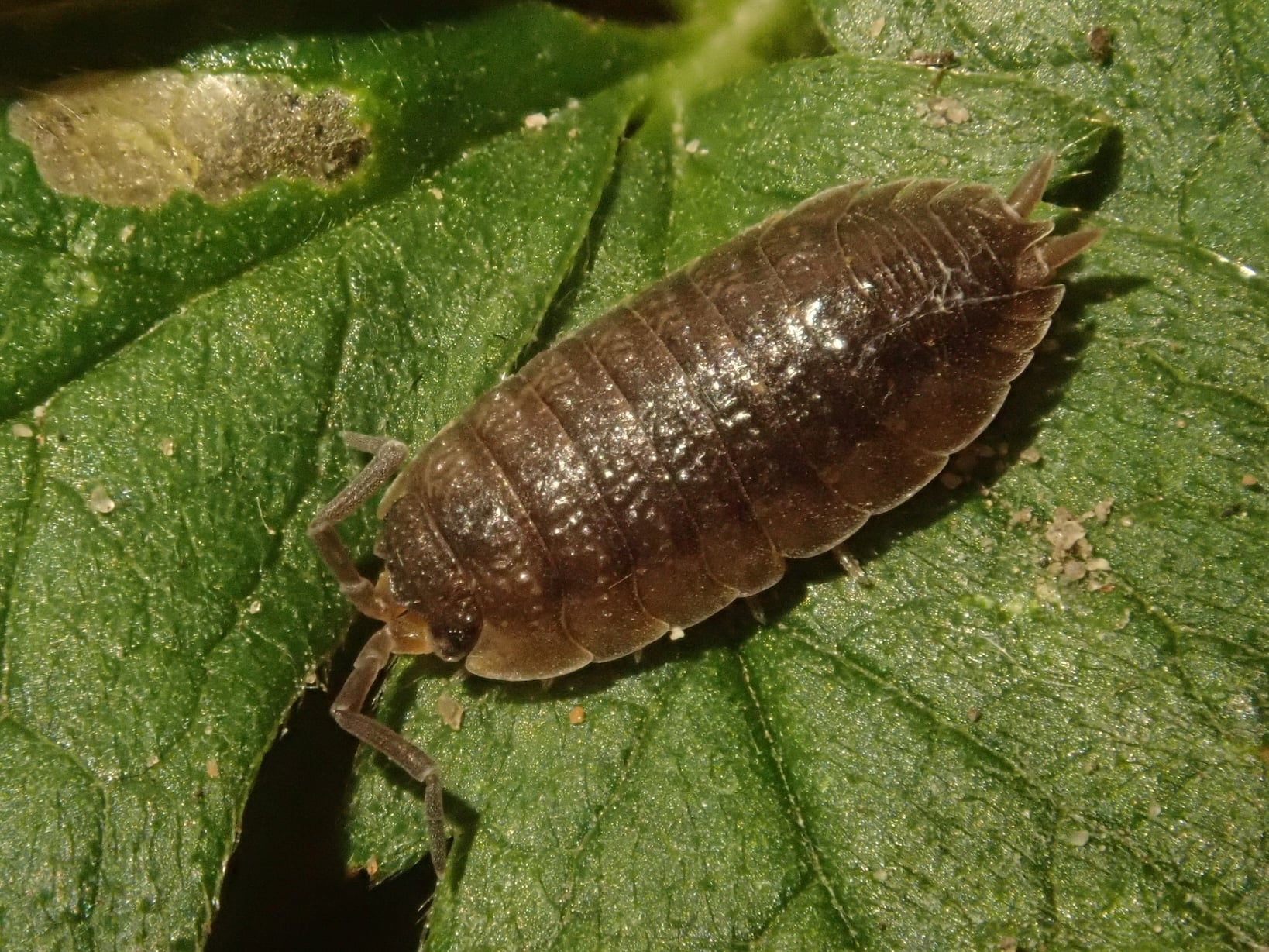
Porcellio scaber: Photo Alexis https://commons.wikimedia.org/wiki/File:Porcellio_scaber_99207758.jpg
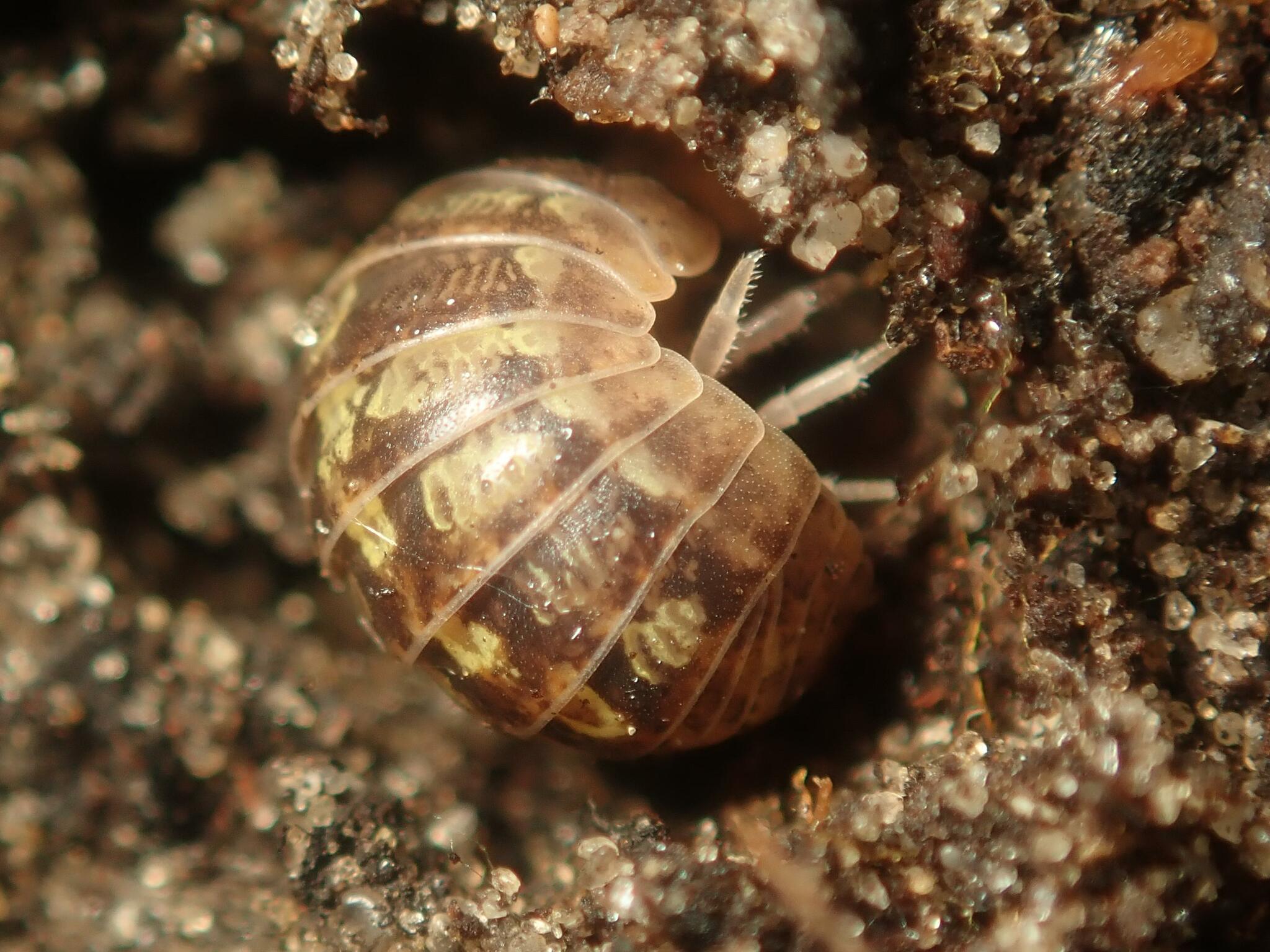
Armadillidium vulgare: Photo Alexis https://commons.wikimedia.org/wiki/File:Armadillidium_vulgare_248504207.jpg
How are woodlice and pill bugs useful?
They aid in the decomposition of plant matter, among other things, by consuming organic debris. They are omnivores, so they will eat both dead plants and dead animals. This process naturally helps enrich the soil, which is, of course, ideal. So if you find them in small numbers in your garden and not directly in the vegetable beds, it’s definitely a good idea to let them live their lives. They accelerate the decomposition of organic matter and aid composting. This is precisely where these creatures are ideal.
Tip: Compost is great as fertilizer. It will definitely mature well for you, too.
Can they also cause harm?
Sometimes we find woodlice and pill bugs on vegetables or fruit. In this case, they can cause harm. For example, they can easily finish off a radish that a snail has already started eating. The same may apply to other plants.
How to repel earwigs and woodlice
Often, simply cutting an apple in half and placing one half on the garden bed is enough. Slugs and snails will start feasting on the apple scraps. You can then remove them along with the apple. Otherwise, these creatures can’t stand garlic or cinnamon. Everyone has these two natural remedies at home. It’s definitely worth ventilating basements and indoor areas where they might be.
FAQ – Frequently asked questions about silverfish and woodlice
How do you get rid of silverfish and woodlice from a garden bed?
Just use half a potato or apple. Then throw away the rest along with them.
Where do silverfish and woodlice thrive?
Mainly in compost. They break down organic waste perfectly.
How to prevent earwigs and woodlice indoors?
It is definitely necessary to ventilate regularly.
Sources: Author, Meta
Porcellio scaber: Photo Stephen James McWilliam https://commons.wikimedia.org/wiki/File:Porcellio_scaber_115402293.jpg



Gardening is my hobby, I have a lot of experience and I am happy to share it.


0 comments