
It’s time to propagate lavender. How to propagate it effectively from cuttings
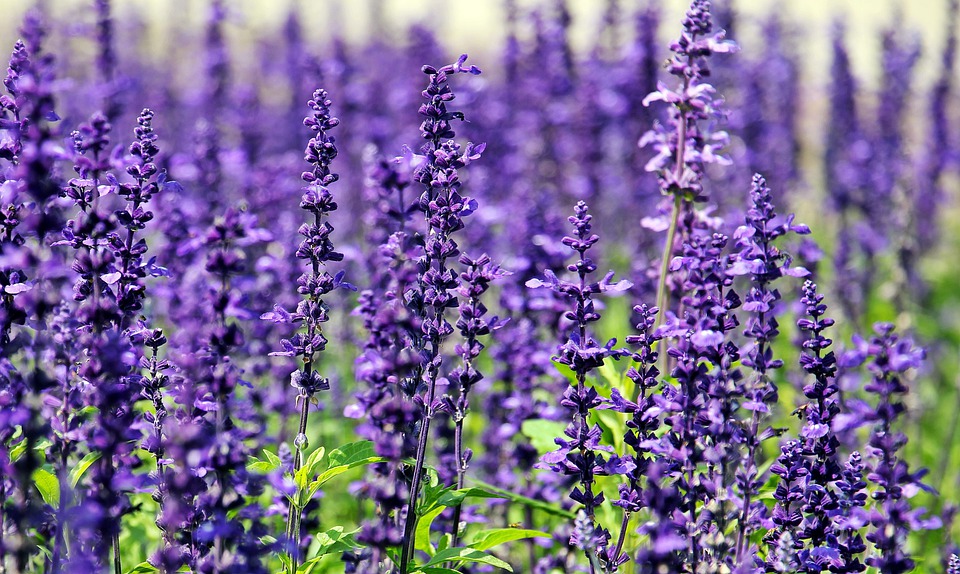

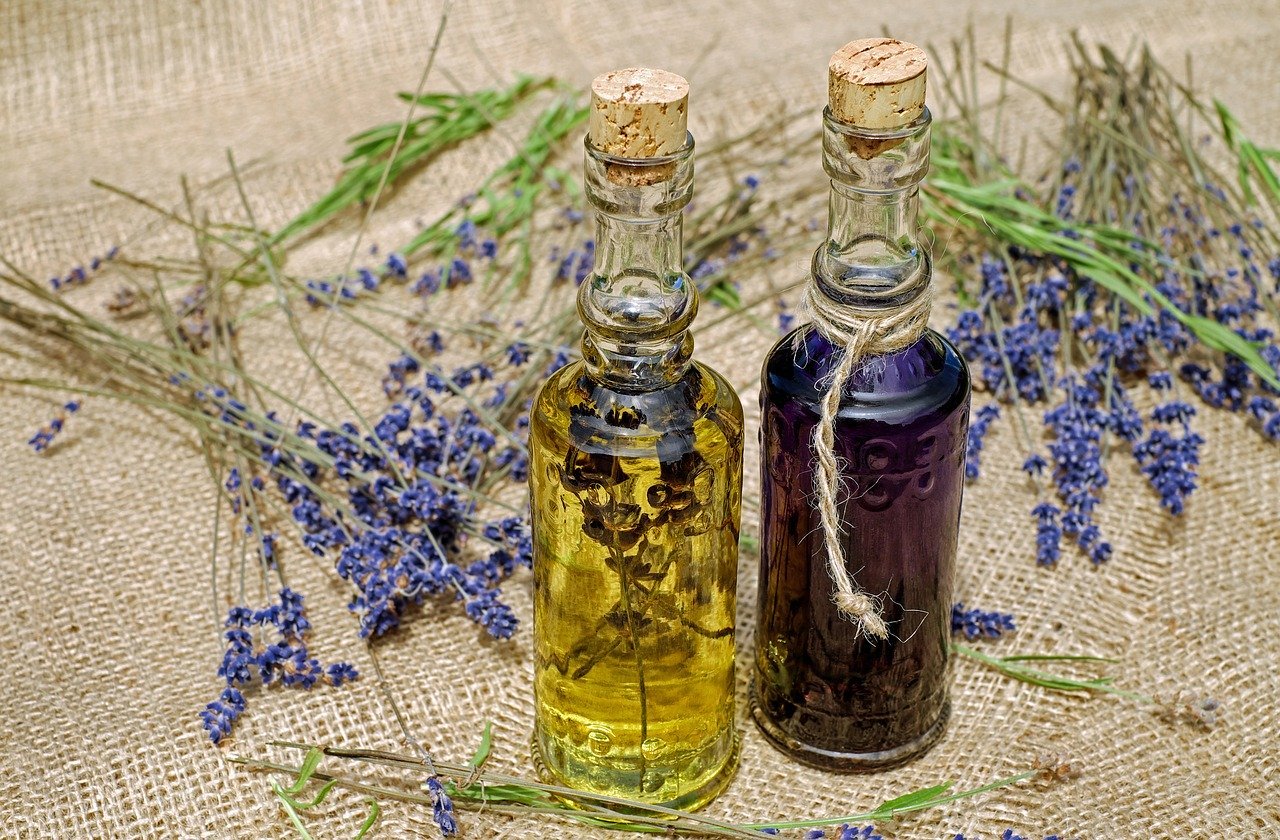
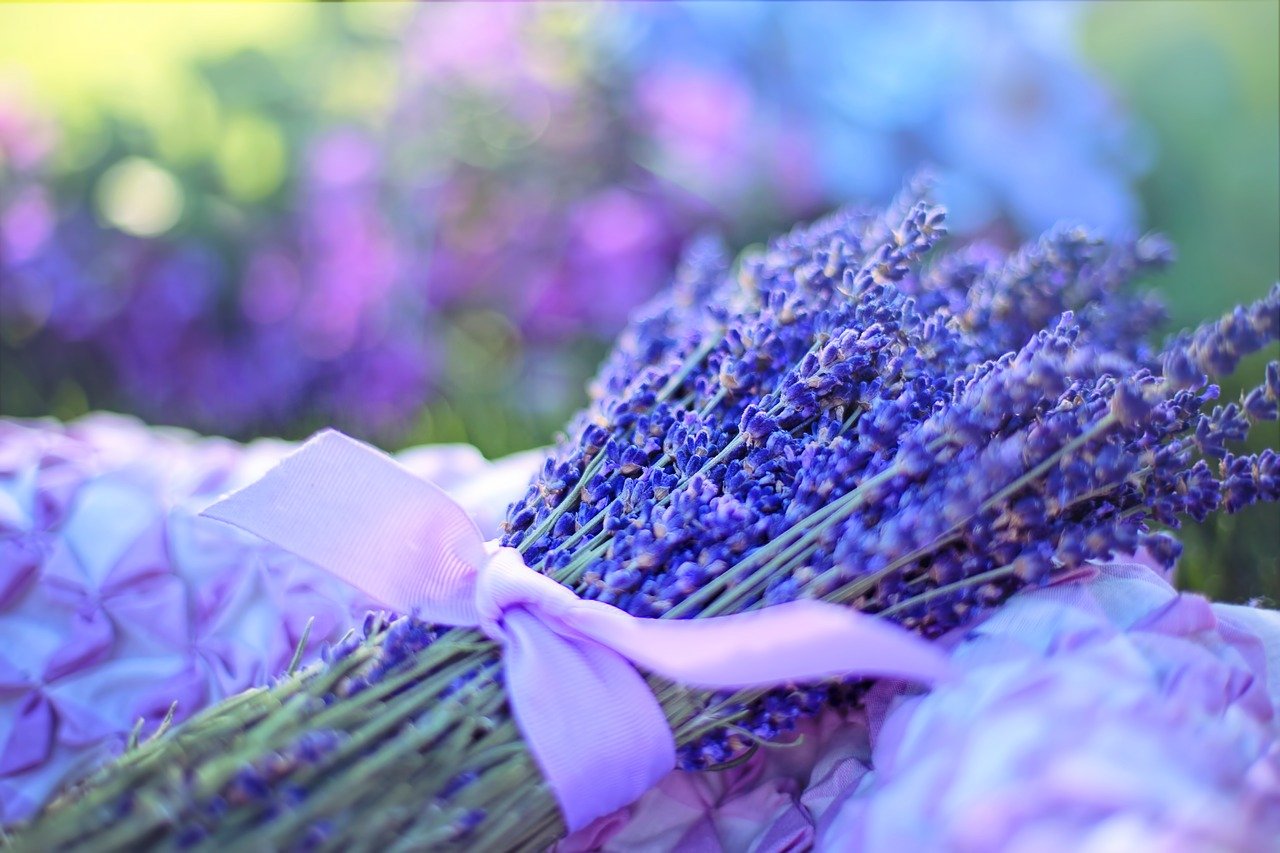
Do you love lavender? And why wouldn’t you? These gorgeous flowers offer both an abundance of beautiful blooms and a wonderful fragrance. But no lavender plant stays beautiful in just one spot. You need to take care of it, for example, by taking cuttings. This way, you’ll get more plants that you can then use in other places. Taking lavender cuttings isn’t particularly difficult, and you can easily do it right now in the summer. It’s the ideal time. How do you do it? You’ll definitely find out in the following paragraphs.
First, take the cuttings
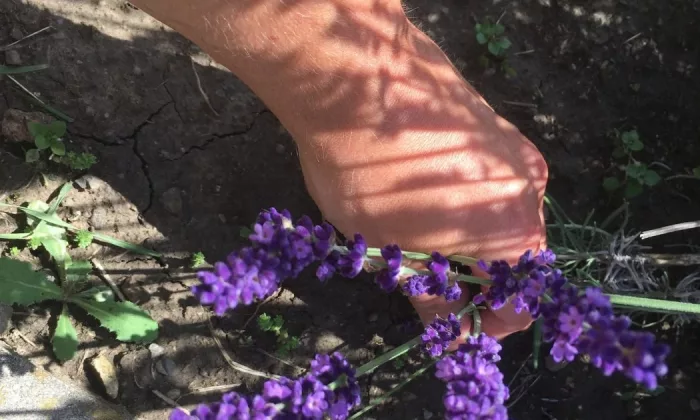
It’s important to select the highest-quality cuttings possible. They should definitely be healthy. These should be non-flowering shoots from this year’s growth, not older ones. We also need to carefully check that the shoots aren’t infested with any pests or diseases. Separate them from the main plant along with a small portion of the root system and soil. New plants will then sprout from the lower part. The cuttings simply must have this section.
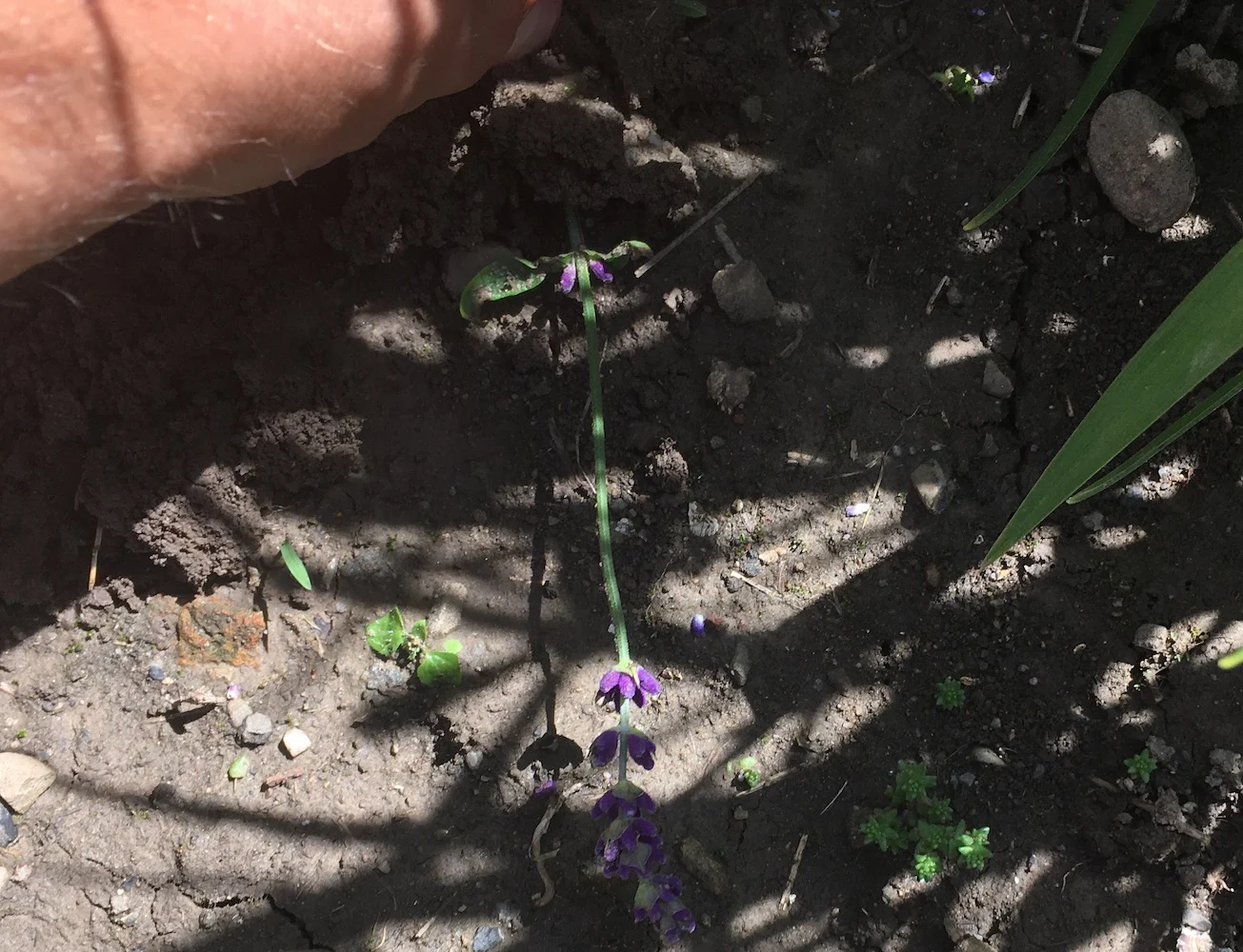
Photo: Radek Stepan
How to properly root lavender cuttings
First, remove the lower pairs of leaves from the cuttings. These are unnecessary and would essentially just get in the way. Furthermore, mold could form on them, or they could become infected with diseases. It’s a good idea to dip the ends of each cutting into a rooting hormone first. Specialized products are available, but ordinary ground cinnamon should suffice. You can then plant the cuttings in small pots filled with potting mix.
Substrate moisture is essential
The cuttings in the substrate must be kept constantly moist. You can help by simply wrapping the pots in plastic wrap. Alternatively, you can place them in bags. They should be kept in a warm place, but in the shade. The first roots will appear in about 4 to 6 weeks. Then you’ll need to cut a corner off the bag or cut a hole in the plastic wrap. After a few weeks, remove all plastic packaging. Once the cuttings have fully rooted, they can be transplanted to the garden bed.
Sources: Author, Meta, https://www.gardenersworld.com/how-to/grow-plants/how-to-take-lavender-cuttings/
Preview photo: Radek Stepan, photogallery Pixabay



Gardening is my hobby, I have a lot of experience and I am happy to share it.


0 comments