
Heather won’t dry out anymore. Just add ordinary kitchen waste to your window boxes

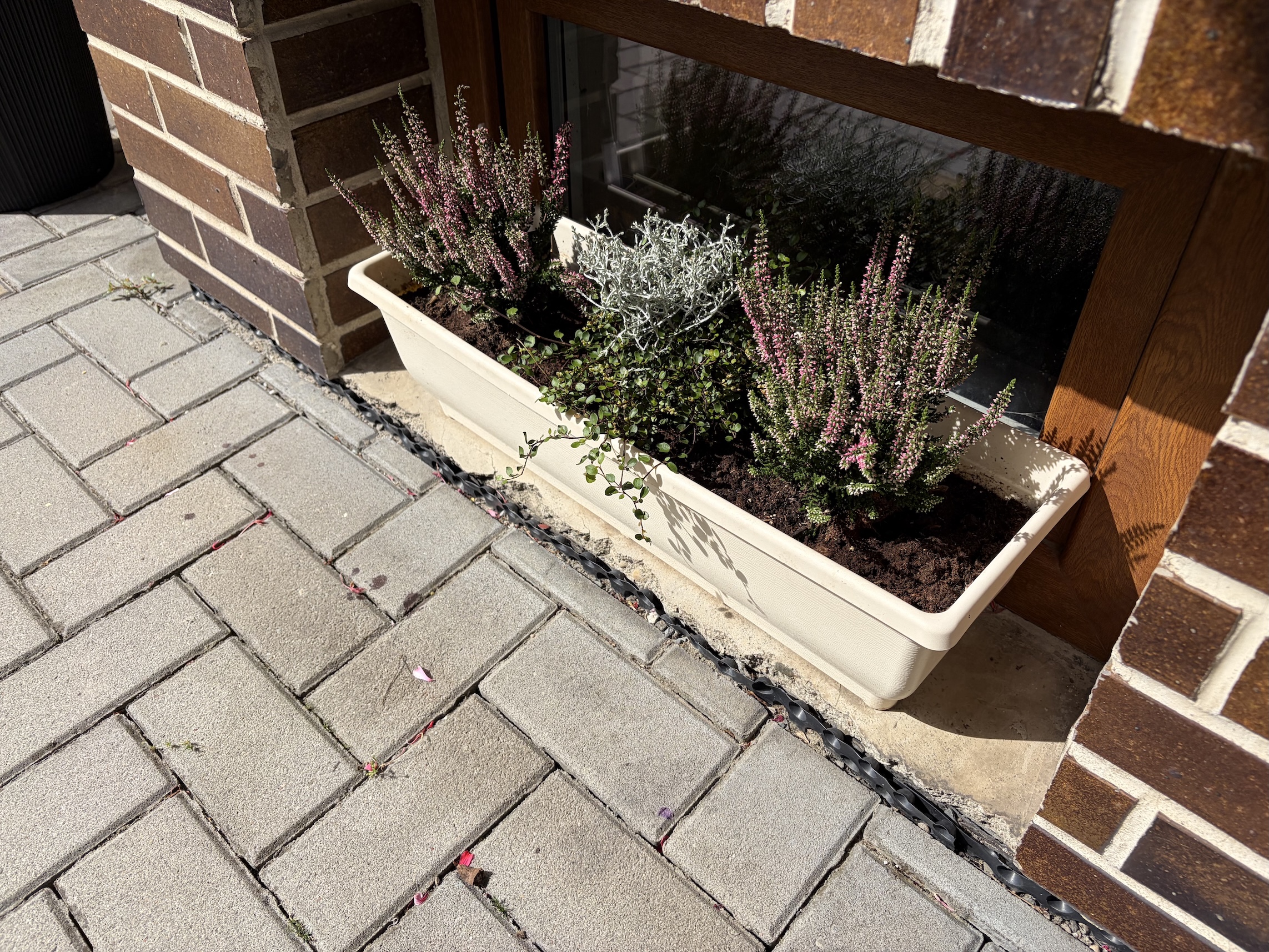
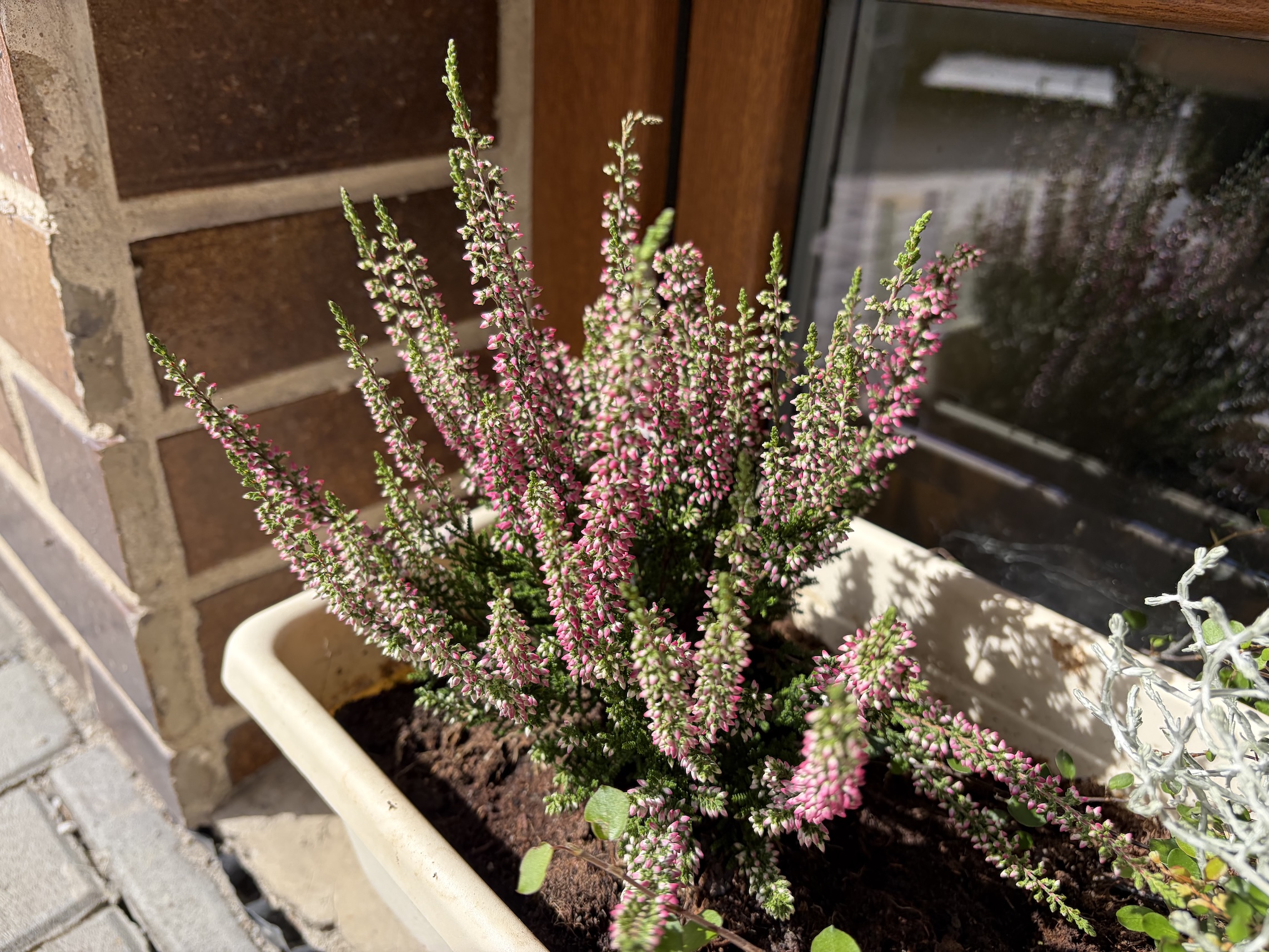
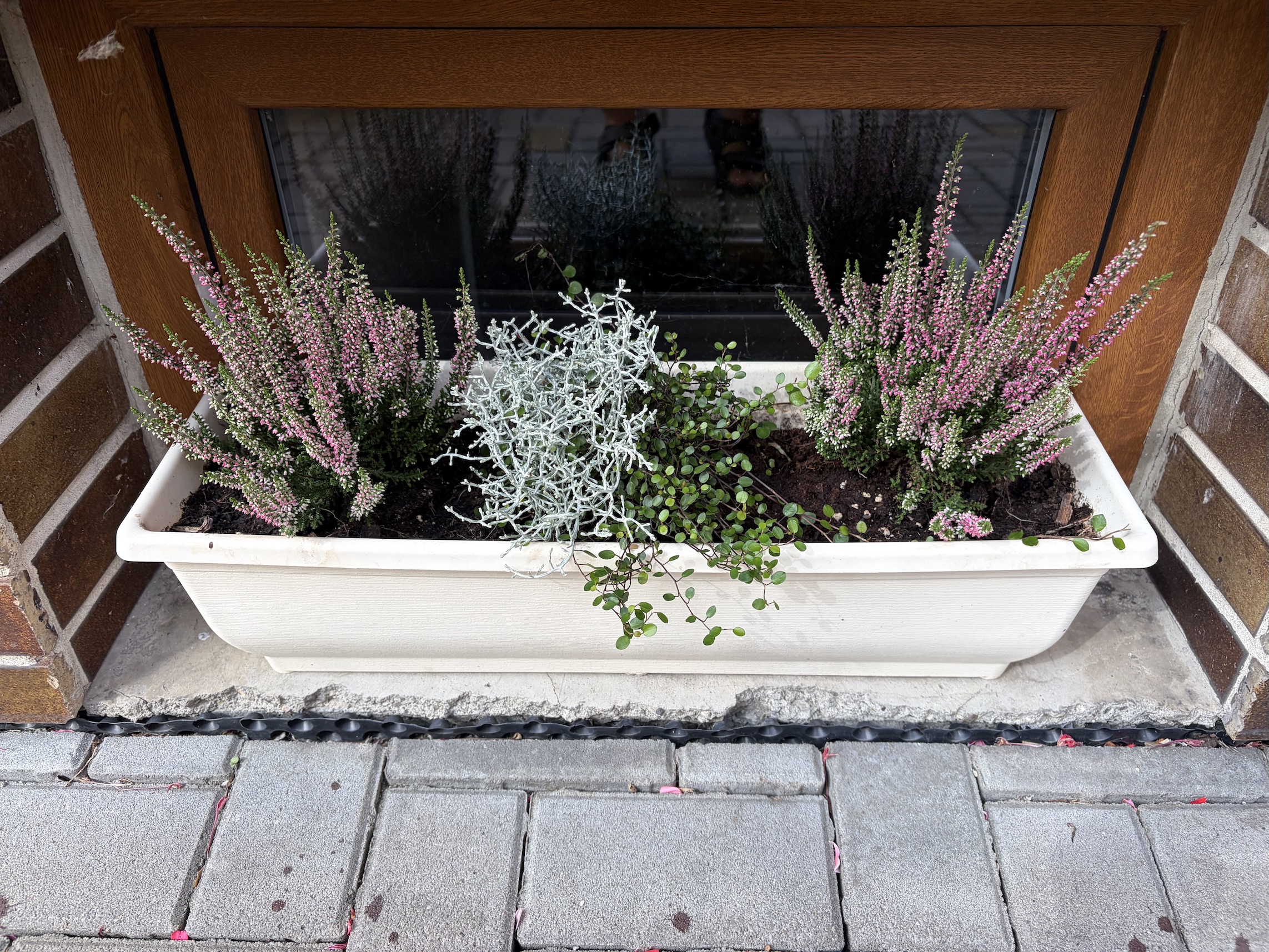
Do you love heather and are you already planting it in your window boxes? It’s no wonder. These plants are really low-maintenance and it’s a joy to look after them. Yet we often worry that they’ll dry out as autumn progresses, and especially with the arrival of frost. This does happen quite often, but even our grandmothers knew that by adding a single ingredient – one that’s often treated as waste – this risk can be reduced to a minimum. Before we go into more detail about this, let’s look at a few basic principles for growing heather properly.
The basic rules for growing heather are clear
Exactly. First and foremost, it’s important to note the acidic pH. Soil with an acidic pH is a must for heather. After all, in the wild, we traditionally find it growing in the forest, where such a pH is present. Watering is also important. Heather loves moist soil and withers quickly. In the forest, it often grows directly in moss, where moisture is naturally retained much better. Stagnant or rainwater is ideal for watering heather. After transplanting, heather must be repotted immediately, as it needs much more space than a seedling pot provides.
Tip: Common heather is not a good gift. It may be dangerous.
Bread as an ideal fertiliser and protector for heather
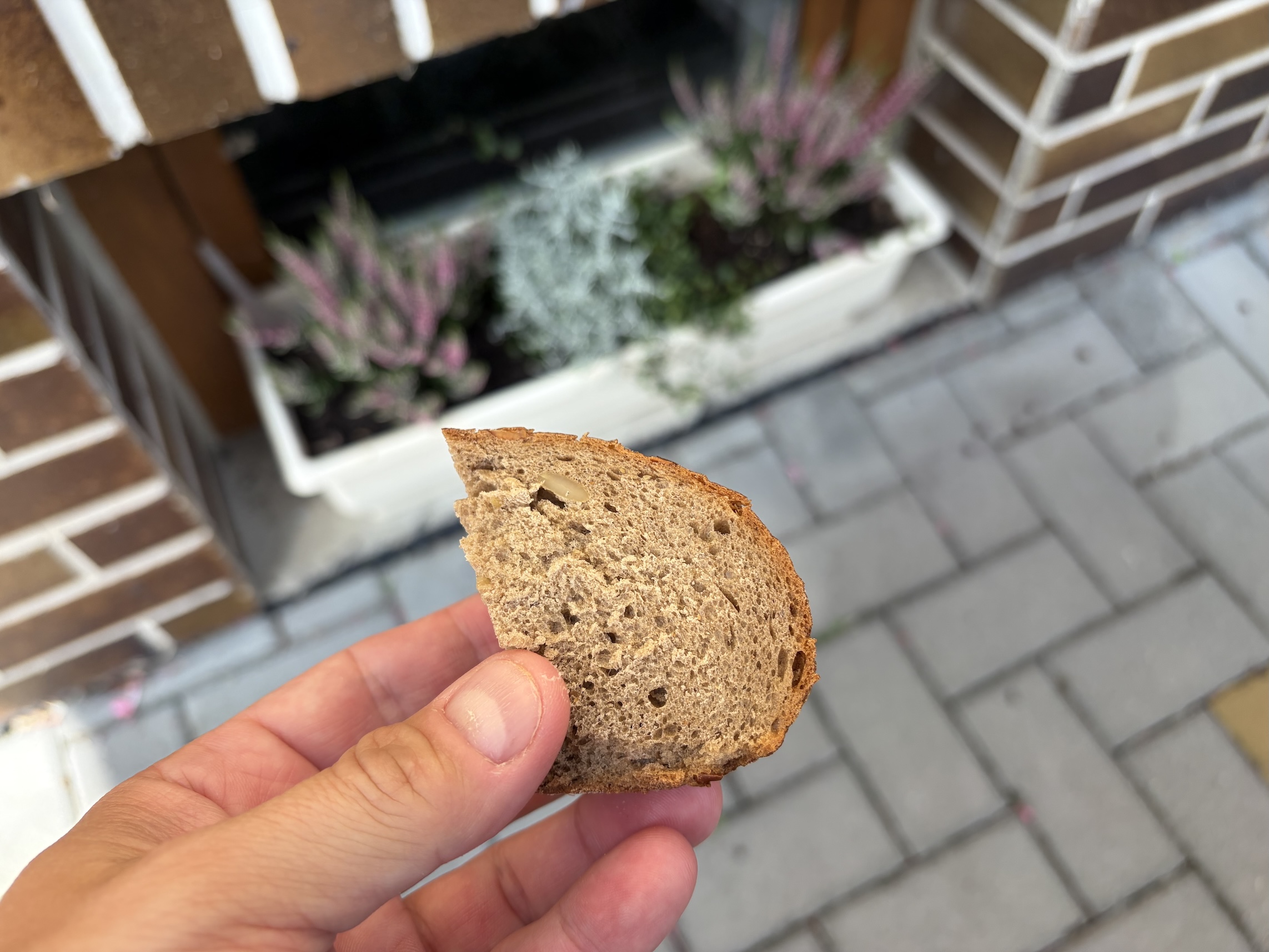
We traditionally throw away food scraps, which is a shame. Stale bread, for instance, is literally an ideal fertiliser for heather. It helps acidify the soil and promotes the growth and health of the heather. What’s more, it contains microorganisms that help nourish these plants. It also boosts the heather’s defences, which is beneficial not only now but also when the weather turns colder.
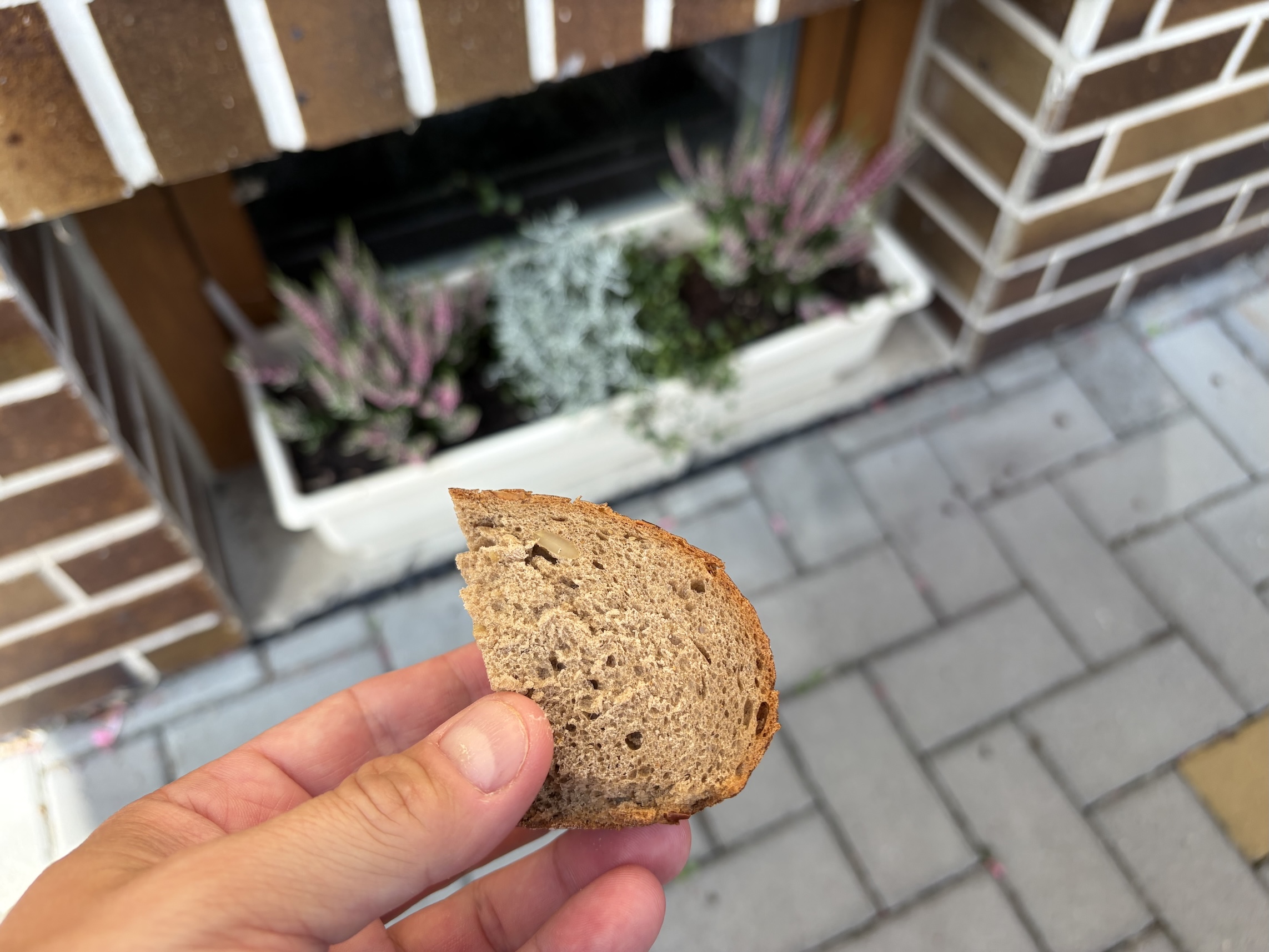
Photo: Radek Stepan
How to make fertiliser for heather from stale bread
It’s a relatively simple process. Simply crumble the stale bread into pieces and leave them to soak in water for a few hours. Afterwards, give the mixture a light stir and then pour it over the heather, working it gently into the soil. Each pot should receive half a glass of this mixture. The only thing to watch out for is mouldy bread. That would certainly not help the heather – quite the opposite, in fact.
Sources: Author
Photo and photogallery: Radek Stepan


Gardening is my hobby, I have a lot of experience and I am happy to share it.


0 comments