
Compost as fertiliser. We have made perfect use of garden waste

Compost belongs in every garden. Preconceptions that it makes mice crawl and stinks are false. Yes, mice can be in it under certain conditions, but with proper care of this part of the garden, no such thing will happen. Composting is great and it can definitely be said that it is the most beneficial and efficient way to use organic garden waste. In a matter of months, compost can turn waste into a perfect treasure, a great fertiliser for our plants. We will look at composting in much more detail in the following lines.
There are many reasons for composting
The main one is, of course, to improve the quality of the soil in the beds. Compost contains a lot of important nutrients and can also support soil micro-organisms. The soil structure will also change rapidly for the better with compost. By increasing the biological activity, the conditions for the growth of various crops will improve. Compost will perfectly replace any industrially produced fertiliser. It puts nutrients back where they belong, in the soil.
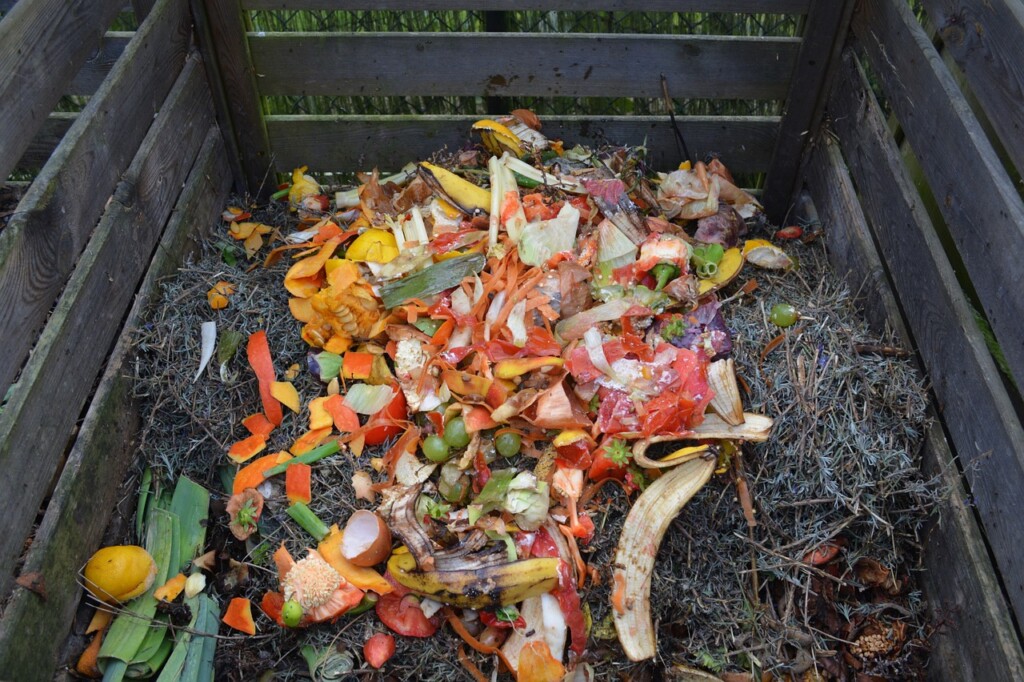
Photo: Pixabay
The three main advantages of compost
There are many more, of course, but they can be briefly listed as follows:
– It supports soil micro-organisms and soil fauna, such as earthworms, which are key to a healthy soil ecosystem.
– It supplies the soil with essential nutrients, especially potassium, nitrogen, phosphorus and many trace elements,
– It will improve the water regime of the soil, which can better retain water.
What should we compost?
Compost is strictly organic residues. Traditionally, these are green and brown materials.
Green materials for composting
There are several, they are rich in nitrogen and traditionally they are:
– grass clippings,
– fruit and vegetable scraps,
– coffee grounds,
– tea bags,
– fresh plants and weeds (without seeds.
Brown material for composting
It is quite high in carbon and it is the following materials:
– straw,
– dried leaves,
– sawdust,
– small twigs,
– cardboard and undyed paper.
Materials should be layered in a 1:2 ratio in favour of brown material.
What doesn’t deserve a place in the compost heap?
Many scraps can attract pests to the compost, which is of course not desirable. Yet this is often the case. This does not include, for example, meat or fish scraps, fats and oils, or dog and cat faeces. We certainly don’t compost diseased plants or chemically treated wood either.
How do you set up a compost heap correctly?
First of all, you need to choose a suitable place. An area somewhere in a corner of the garden in the shade is ideal.You should make sure that the compost touches the soil and that air flows through it. The twigs will simply fall to the bottom. The material should be layered in the proportions mentioned. The compost should be moist, but not waterlogged. The ideal consistency is that of a wrung-out sponge. The compost should also be stirred occasionally.
How do we know when the compost is ripe?
It is characterised primarily by its brown colour and also by a texture that does not stick but crumbles. It smells similar to forest soil and the original organic residues are no longer recognisable. Traditionally, compost takes about 6 to 12 months to mature. Once it is ready, it can be used in the garden bed or with trees or as mulch for shrubs.
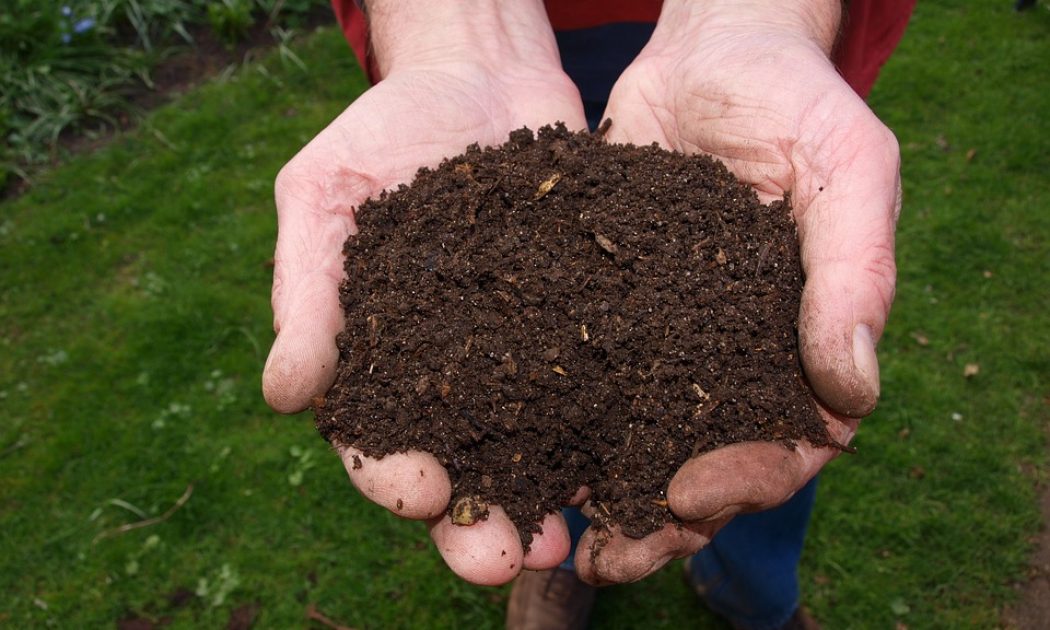
Photo: Pixabay
FAQ – Frequently asked questions about compost
When to start compost?
Almost any time during the season.
How do I layer the materials in the compost?
There should be one green layer to two brown ones.
How do we know when the compost is mature?
By texture, it should crumble.
Sources of info: Author, Meta
Photo: Radek Stepan

Gardening is my hobby, I have a lot of experience and I am happy to share it.


0 comments