
Pests on vegetables: how to recognise aphids, wireworms, mealybugs and moths
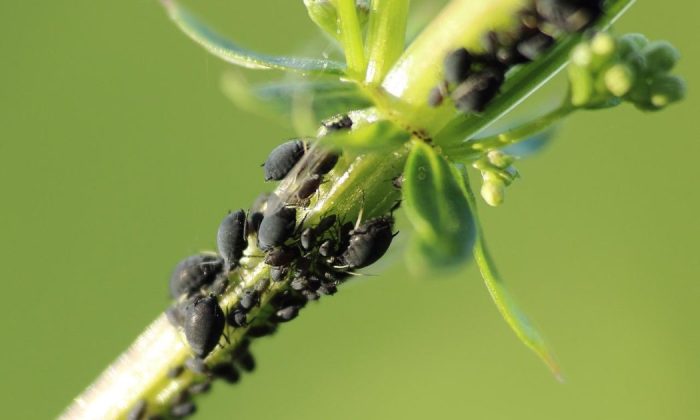
When you look at your vegetable garden, you might think everything is fine at first glance. But appearances can be deceiving, and quite a lot of them. It is definitely worth taking a closer look at your vegetable garden. You may notice small spots, chewed roots, deformed leaves or sticky leaf surfaces. In these cases, pests are already feasting on your crop. That’s why you need to stand up to them. We’ll look at how to spot them and also some methods of removing them.
Aphids on vegetables as a classic
Everyone has encountered aphids. They can be found on almost all plants. Traditionally, they are found on tomatoes and peppers, but they are not extinct on larger trees. They are quite easy to spot. Typical are the curling leaves. These gradually deform and the aphids are undoubtedly visible from the underside. There is also a sticky honeydew on the plants and then a black mould a little later.
How to get rid of aphids?
Traditionally, mechanical removal of leaves is used, high water pressure in the case of trees. Thistle, sundew or goldenrod larvae are excellent against aphids. If nothing else helps, you can rely on sprays such as Mospilan 20 SP, Karate Zeon 5 CS or the biological preparation NeemAzal.
Tip: Home remedies can also be used for aphids. Many are very cheap.
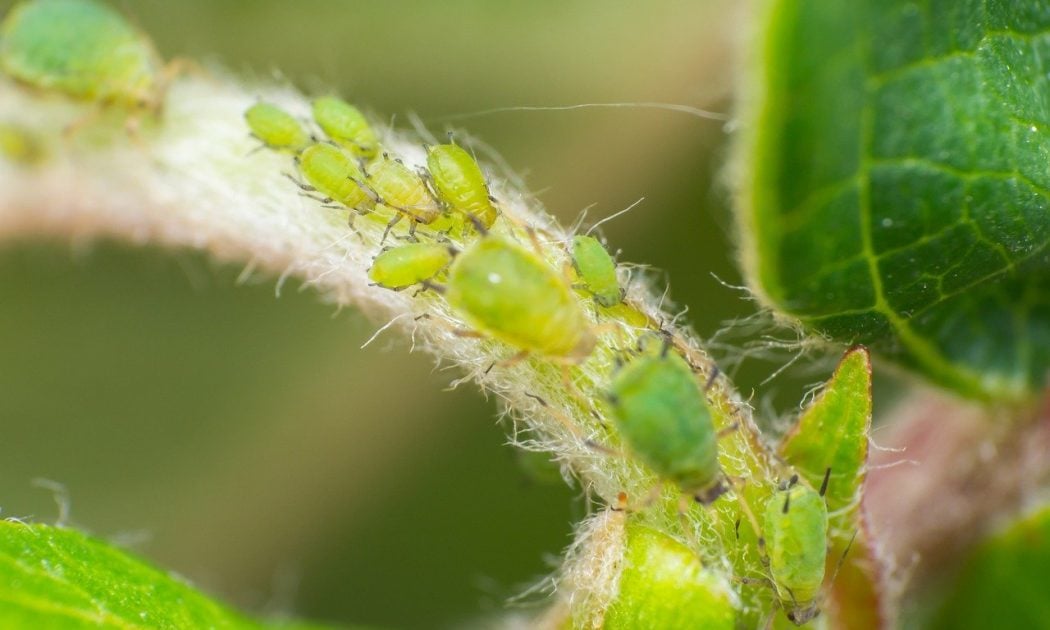
Photo: Pixabay
Wireworms destroy the roots
These are basically the larvae of the cowpea. Wireworms, which are yellow-brown in colour, can live in the soil for several years. Unfortunately, they feed on the roots of the plant and traditionally also bore typical tunnels directly in potatoes, beets or carrots. The young plants usually die, the fruits are not edible.
Potato traps are used to trap the wireworm
The ideal is to cut open a potato, stick a skewer into it and then leave it about 5 to 10 cm below the surface. In a few days, lots of wireworm larvae will appear in it, which we then dispose of. Otherwise, crop rotation and regular soil engraving work well as a preventive measure.
Silkworms and their webs
Fireflies are also among the small pests that relish the dry, warm weather. They are mainly found on peppers, tomatoes and beans. They can be recognised by tiny yellow dots on the leaves of the plants. These gradually dry out and also form spider webs. Regular and abundant watering as well as increased humidity serve as a prevention of powdery mildew. The sprays of choice are Nissorun, Ortus or Vertimec 1.8 EC.
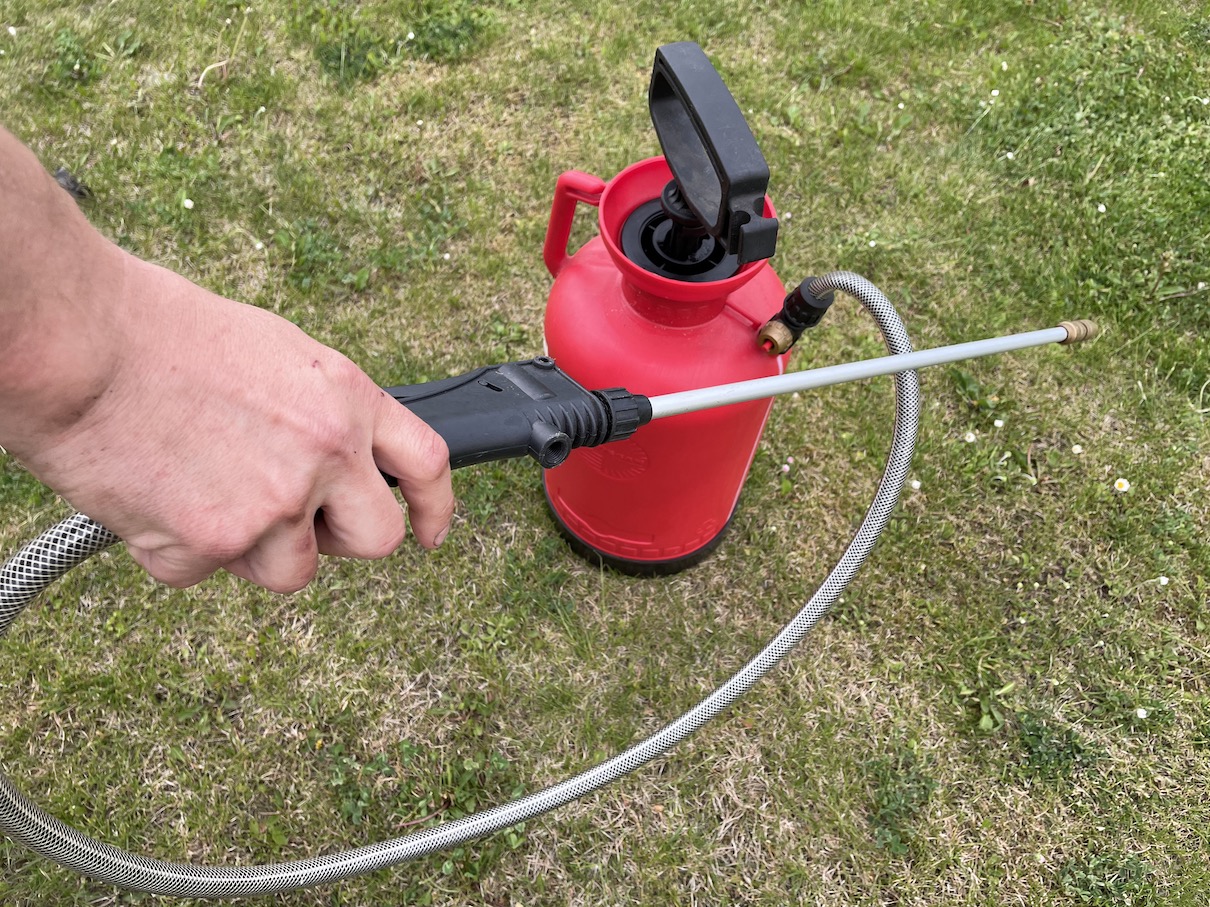
Photo: Radek Stepan
Unpleasant white flies, a.k.a. midges
Tiny white flies often fly out of the plants both in the greenhouse and outdoors. The leaves of peppers, tomatoes, cabbages and other infested plants become sticky and yellow. The ideal control against moths is to remove heavily infested parts and also spray with products such as Mospilan 20 SP, NeemAzal or Karate Zeon.
FAQ – Frequently asked questions about aphids, wireworms, silkworms and moths
When do these pests start killing plants?
Early spring, when the weather warms up.
What is the ideal prevention?
It is different for each of the pests.
What sprays are best for crickets?
Nissorun, Ortus or Vertimec 1.8 EC.
Sources of info: Author, Meta
Thumbnail photo: Pixabay


Gardening is my hobby, I have a lot of experience and I am happy to share it.


0 comments