
Plants from your own garden. Propagating raspberries and blackberries in September
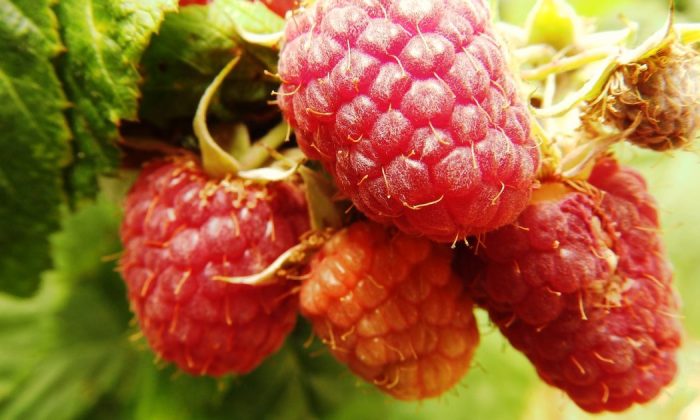
Raspberries and blackberries from your own garden are simply delicious. It’s definitely worth growing your own bushes at home. No, you don’t need to rush off to the garden centre and choose them there and then. Save money and plant offshoots from your own raspberries or blackberries that you already have in the garden. Besides, if you’re already growing lovely, large berries, why would you need to buy a different variety from the garden centre? It wouldn’t be as good as the home-grown ones anyway.
Taking root suckers is simple
This is essentially the simplest and most traditional way to propagate raspberries and blackberries. The suckers are found right on the plants. Bear in mind that the greatest number of these suckers are found on raspberry and blackberry bushes that are around 5 years old. Once you have these runners, there’s nothing more to it – you can simply transplant them to a new spot.
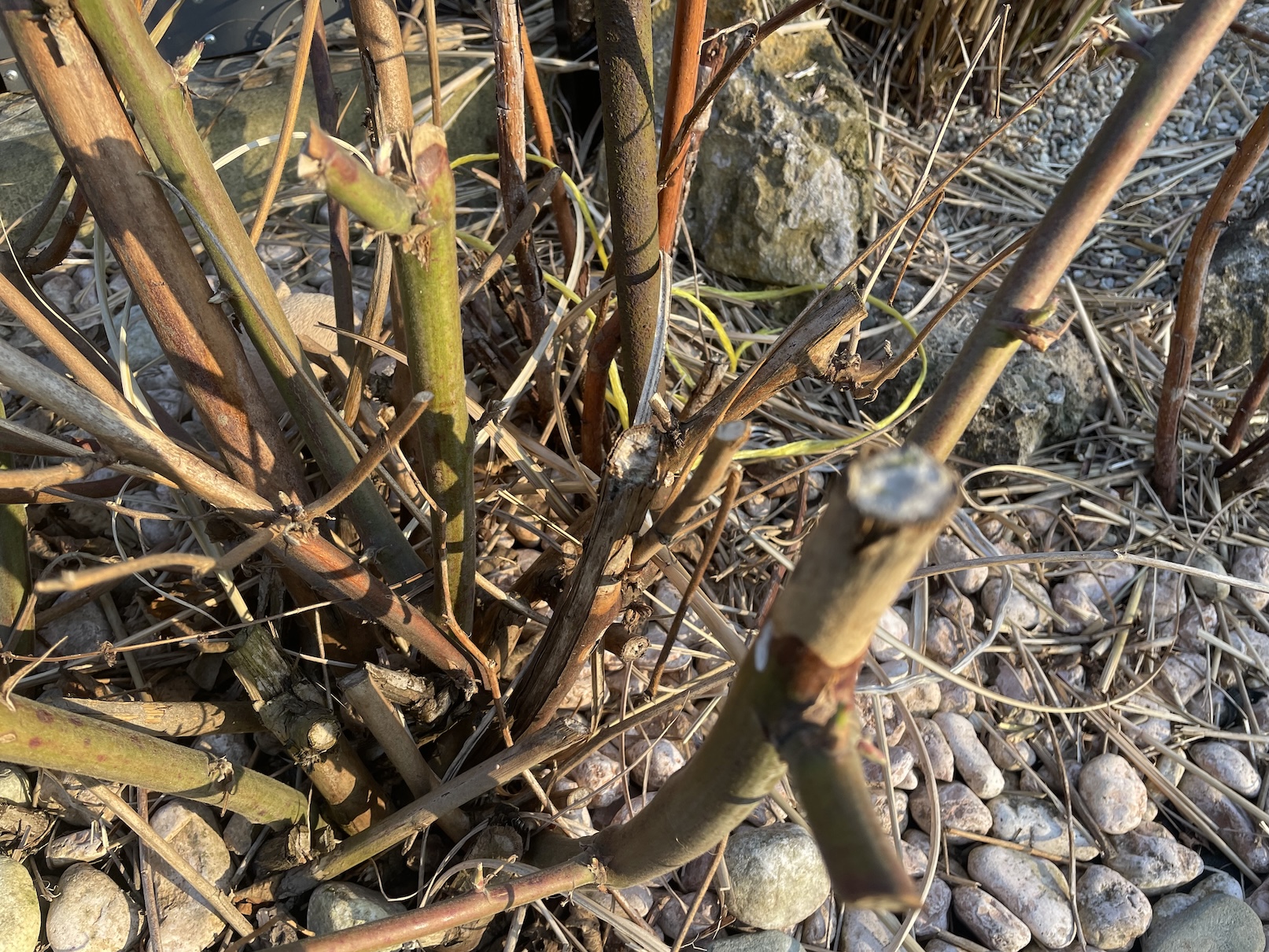
Photo: Radek Stepan
Transplanting runners is simple
Simply dig them up with a spade and prepare a new spot for them. Bear in mind that raspberry bushes like sunshine and slightly acidic soil rich in humus. The more nutrients they have, the better they’ll bear fruit, and the raspberries themselves will be large. Raspberries shouldn’t be planted where tomatoes, potatoes or strawberries used to grow. You should plant the plant deeper than it was originally growing. It will then take root perfectly and grow stronger before winter arrives. Next season, your raspberry and blackberry bushes will be in top condition.
Tip: Dry raspberry leaves now. They will come handy in winter.
Raspberry and blackberry bushes can also be propagated by layering
Certainly, although the new cuttings will only be of really good quality in about 1 or 2 years’ time. Simply select a few shoots from the mother plant, which can be bent right down to the ground. Dig furrows in the soil about 6 cm deep. Bend the shoots from the mother plant into these furrows and then cover them with soil. It’s also a good idea to secure the shoot with a stake. After the aforementioned period, the bent sections will have developed roots; separate them from the parent plant and you’ll have new plants, which can then be moved to a new location.
Source: Author, Meta
Preview photo: Pixabay


Gardening is my hobby, I have a lot of experience and I am happy to share it.


0 comments