
Lavender can survive the winter. But don’t underestimate the importance of winterizing it
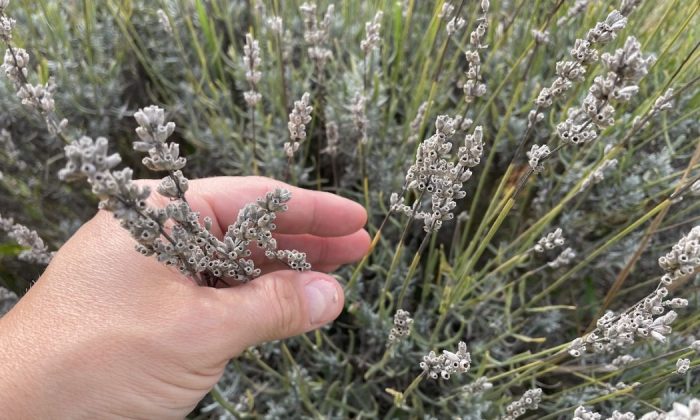
Have you winterized your lavender yet? If not, there’s no time to waste—it’s time to tend to them. These beautiful flowers definitely deserve some care. Lavender can certainly survive the winter. Still, it’s worth giving them a helping hand—and it’s actually quite simple. We’ll take a much closer look at some important tasks related to lavender here in October. Maybe you’ll find our advice useful, too.
Watch out for waterlogged soil
Do you feel like your lavender hasn’t been doing very well? Maybe it’s because you’ve been growing them in spots that are simply waterlogged. Lavender really doesn’t like excessive moisture. Such soil conditions lead to plant rot and can also cause frost to completely devastate the plants when it arrives. Either transplant the plants or plant them on mounds, where, naturally, moisture won’t accumulate as much.
Don’t forget to prune the lavender after flowering
October is also a good time to prune your lavender plants. The stems should be cut back by one-third, but you shouldn’t cut into the woody parts of the plant. Pruning helps the plant focus its energy on preparing for winter. It won’t have to invest that energy in its stems. It will thus survive the winter without major problems. If you forget to prune it, nothing will happen—the lavender won’t die—but it’s a shame.

Photo: Pixabay
Limiting Watering of Lavender
Lavender traditionally grows in the Mediterranean region. It is therefore quite accustomed to dry conditions. That’s another reason why we practically don’t need to water it at all now in the fall. It can easily get by on just the moisture that naturally reaches it through rainfall.
Tip: How to propagate lavender. You can do it from cuttings.
Mulch is worth it
That’s right. If you mulch the plant before winter, you definitely won’t go wrong. Straw is ideal for this purpose, though leaves or conifer branches are often sufficient as well. The mulch is layered around the plants to create a barrier against low temperatures.
Sources: Author, Meta, https://www.homesandgardens.com/gardens/how-to-winterize-lavender,https://www.dumazahrada.cz/clanek/jak-zazimovat-levanduli-20221031.html
Photo: Radek Stepan, photogallery Pixabay


Gardening is my hobby, I have a lot of experience and I am happy to share it.


0 comments