
It’s getting colder. How to ensure your hens have a balanced autumn diet

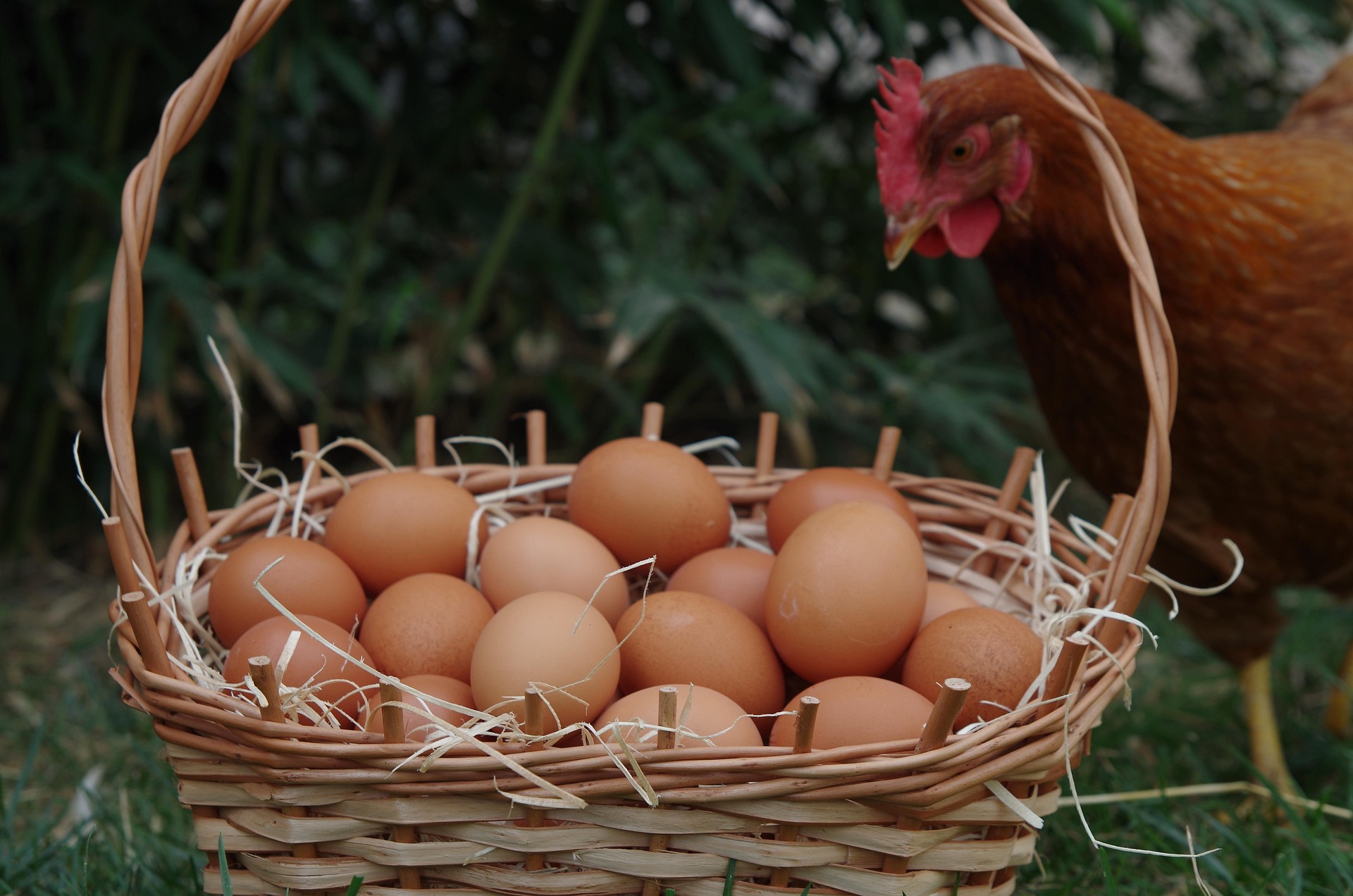
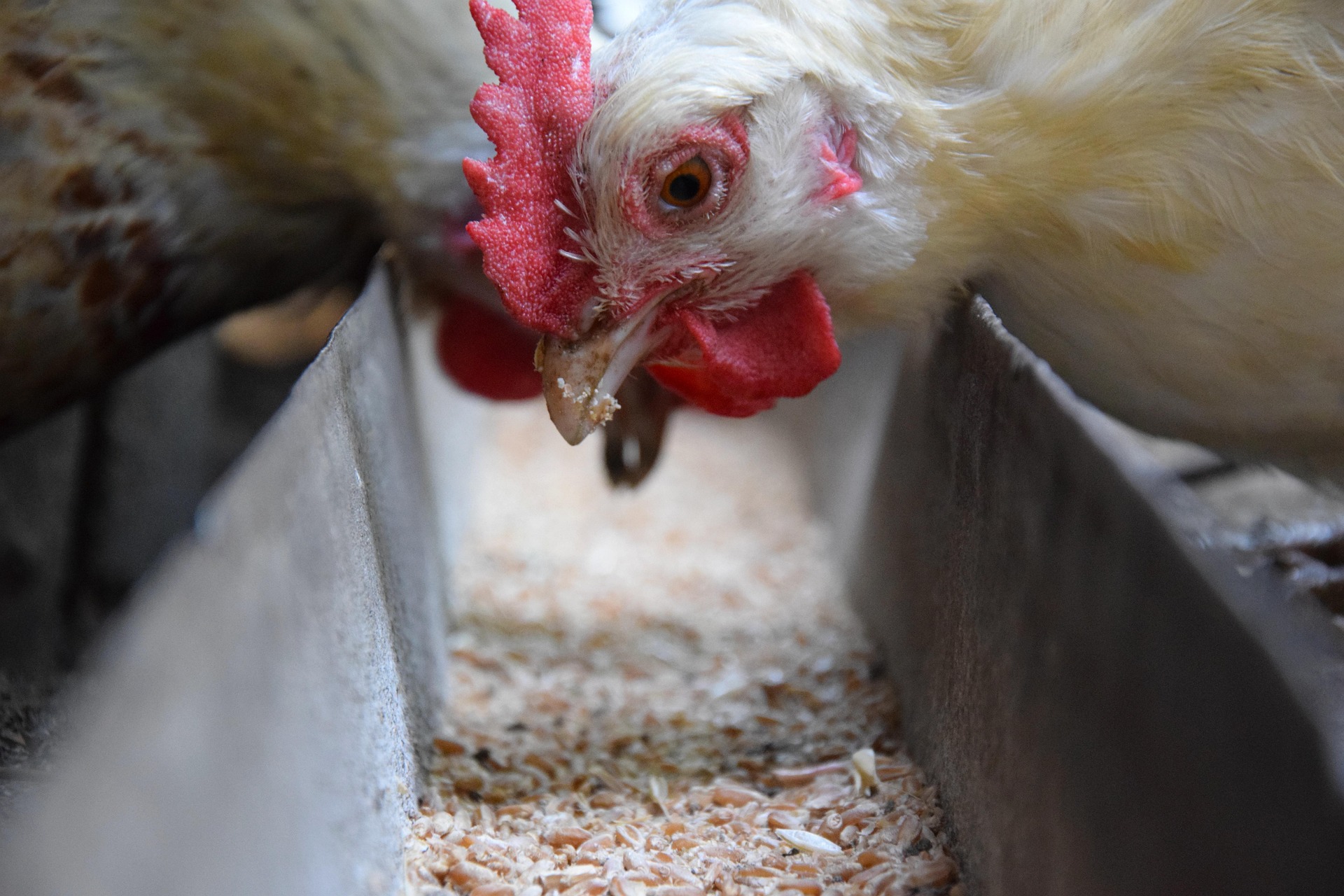
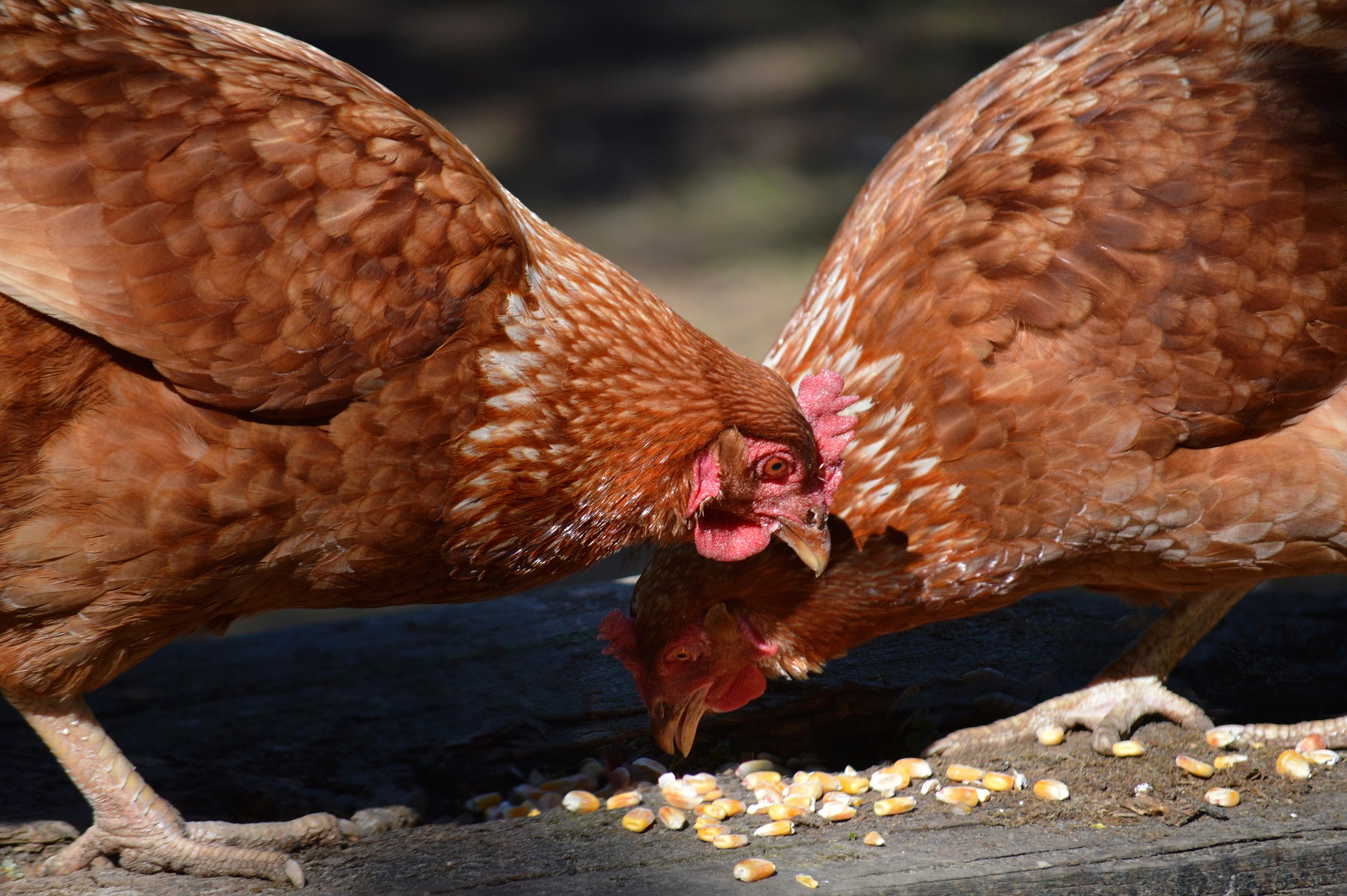
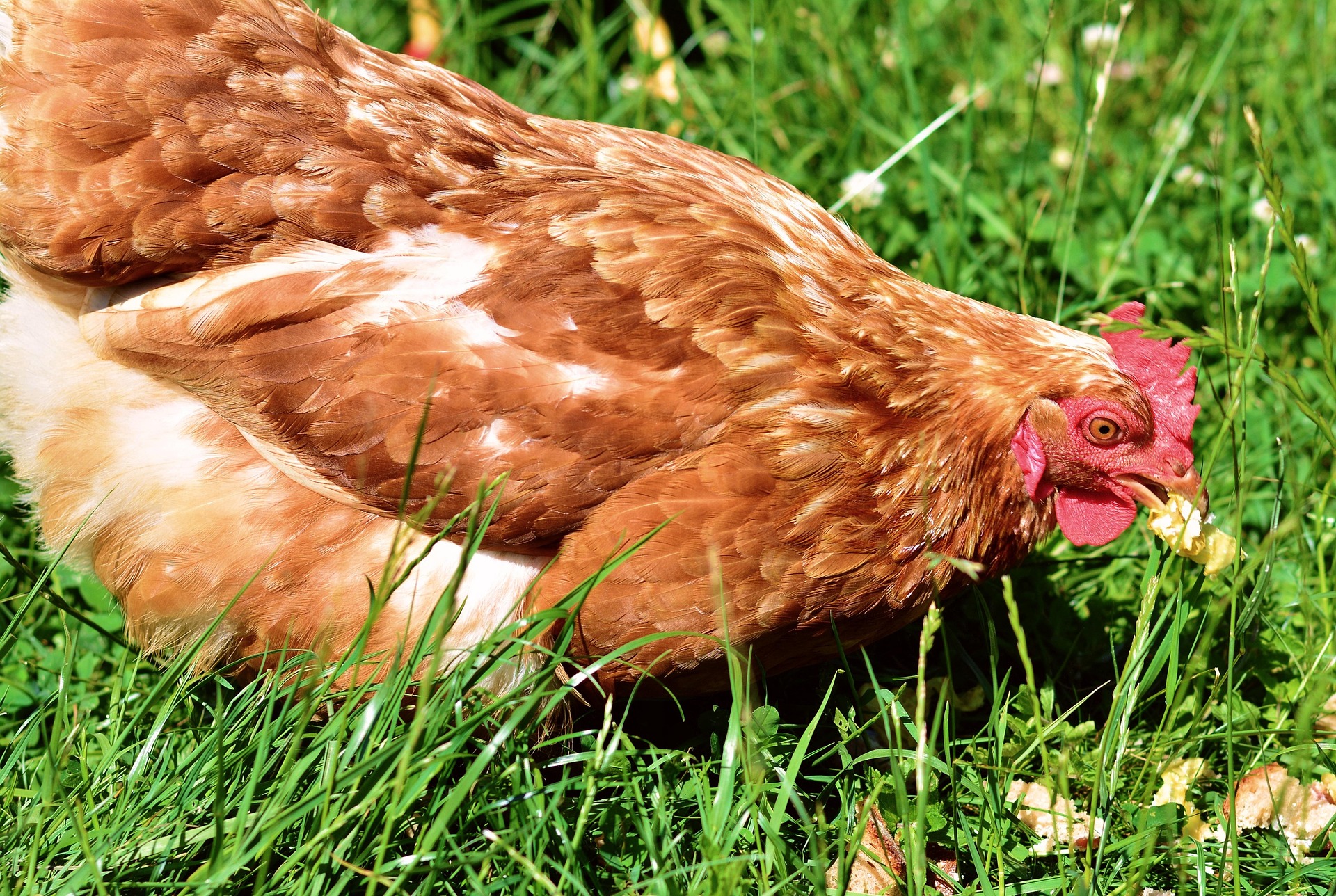
Autumn is here and temperatures are starting to drop. It’s hardly surprising. Whilst we’re likely still in for a decent Indian summer, it’s still important to think not only about the garden itself, the harvest and the storage of fruit and vegetables, but also about your pets. Take hens, for example – they need proper care when it comes to their feed. The reason is clear. Quite simply, you want your hens to carry on laying eggs even when the weather turns cooler. Why do hens often lay fewer eggs in autumn, and what feed should you give them? We’ll answer these and other questions in the following paragraphs.
Why might hens lay fewer eggs in autumn?
The reason may not be solely down to falling temperatures. Autumn is also characterised by the days simply getting shorter. Logically, hens therefore need more energy to maintain the correct body temperature. Furthermore, many are moulting, which is another way in which they lose body heat more quickly. All of these are reasons why hens deserve the right diet and a balanced autumn feeding plan.
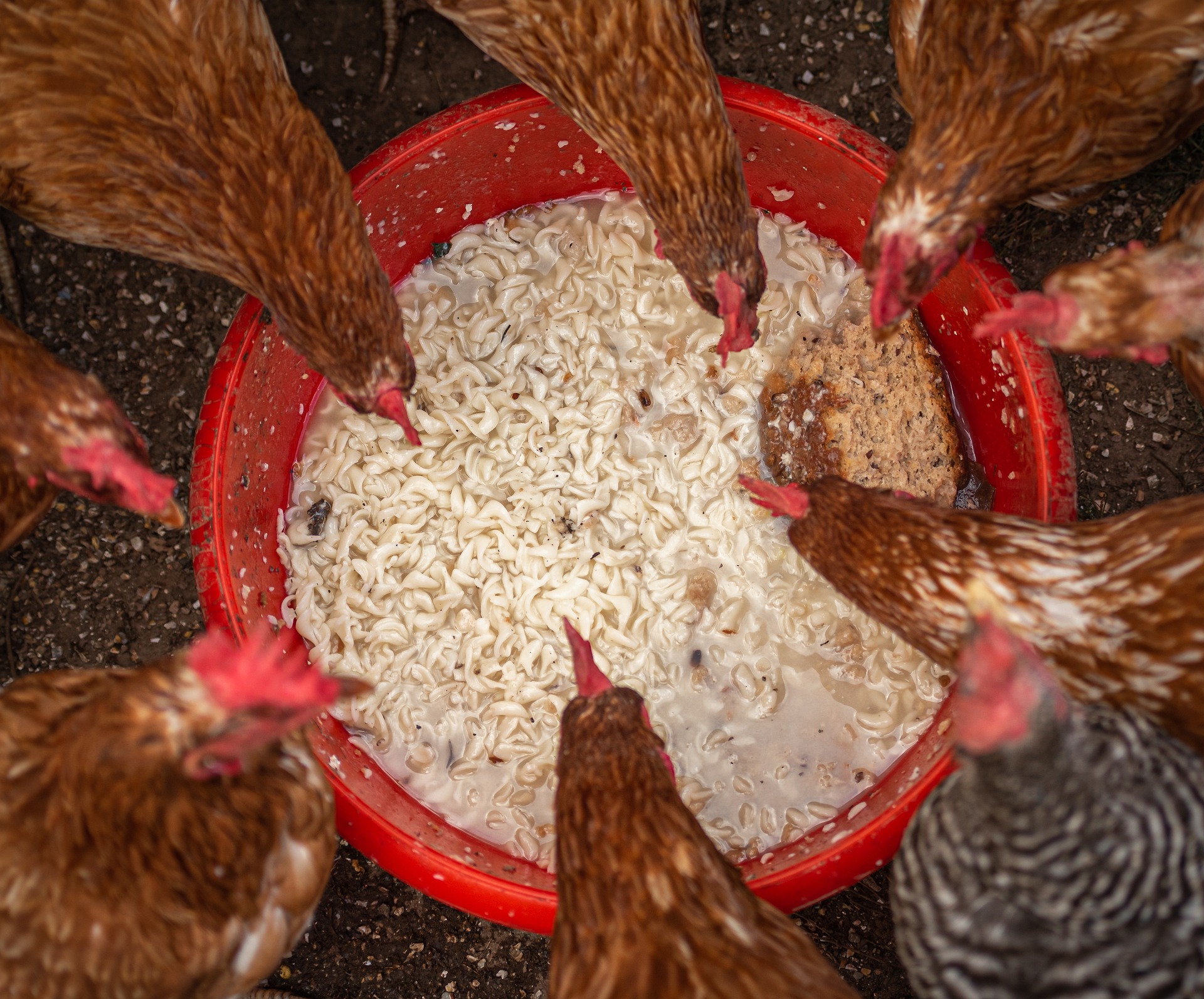
Photo: Pixabay
Complete feed for laying hens as a basis
Of course, this mix should form the basis of the hens’ diet in autumn. Such feed contains the right combination of vitamins, carbohydrates, fats, proteins and minerals. Grain should form part of their diet. You can choose a combination of maize, barley, oats or wheat. Be careful with the amount of maize, however, as the hens could become excessively fat.
Supplements are worth including
That’s right. There are various dietary supplements suitable for hens. Classic options include various pea meal products or sunflower meal. However, hens can also enjoy treats straight from the garden. These might include:
– courgette scraps,
– carrots,
– squash,
– cabbage,
– other vegetables.
Calcium also plays an important role
This is very important for laying hens. It is this element that forms the eggshells. Calcium grit for hens is ideal, or you can also scatter crushed eggshells.
Tip: The shell comes away on its own. A brilliant trick for peeling eggs.
Hens must have access to fresh water at all times
In summer, we provide the hens with water constantly, as it tends to be hot; however, their waterer must remain full even in autumn. Later on, you’ll also need to make sure the water doesn’t freeze.
Sources: Author, Meta, https://poultrykeeper.com/keeping-chickens/keeping-chickens-in-autumn/,https://www.bhwt.org.uk/blog/health-welfare/autumnal-hen-health-advice/
Photo and photogallery: Pixabay


Gardening is my hobby, I have a lot of experience and I am happy to share it.


0 comments