
Health warning: Mistakes to avoid when drying wild mushrooms

The dry spell is slowly coming to an end and we can look forward to bringing home baskets full of mushrooms again this autumn. We’ll then, of course, eat them straight away, preserve them, or dry them. Drying mushrooms is one of the most common ways of preserving them. This is hardly surprising, as it is a very simple and relatively reliable way of preserving mushrooms. That is, provided you do not make any of the basic mistakes. These can even lead to health problems. What are these mistakes?
Washing mushrooms after picking
Some people bring mushrooms home and want to wash them almost immediately. If they do so, many mushrooms will soak up water. Even with vigorous drying, this water won’t have time to evaporate quickly. The mushroom pieces themselves then start to become soggy during drying, creating the ideal environment for mould to grow. For this reason, never wash mushrooms before drying them. Ideally, clean them mechanically using a small knife.
Drying on ordinary paper
Another problem. Standard paper is often quite absorbent, which means the mushrooms simply stick to it. That’s why it’s worth using baking paper. With this, there’s no risk of anything like that happening. The worst method used to be drying mushrooms on newspaper, as toxic ink from the print would seep into the fruiting bodies.
Tip: Homemade dried tomatoes. Instructions for drying in the oven.
Drying at high temperatures
Ideally, mushrooms should be dried directly on a sieve that is ventilated on both sides. We have an old fly screen.However, you can also buy a new frame with a mesh these days. They should be dried out of direct sunlight, in the shade and out of reach of insects. In the dehydrator, set it to the lowest possible temperature and dry the mushrooms for as long as possible. During the drying process, check the dryness by feel.
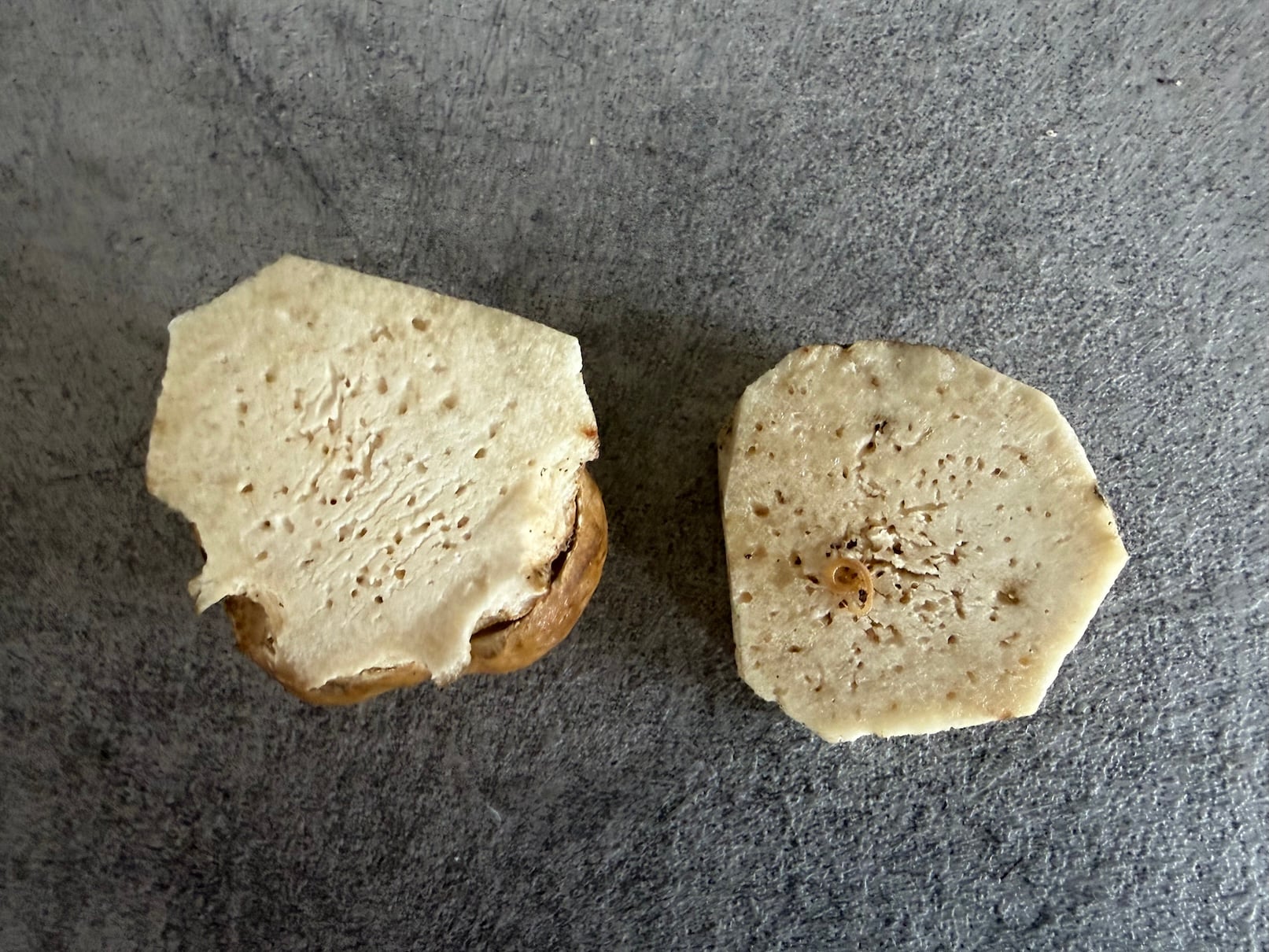
Photo: Radek Stepan
Drying thick pieces of mushrooms
Some people cut their mushrooms into squares and then dry them. Nonsense. Mushrooms should be cut into thin slices, which dry relatively quickly. We cut them lengthways so that the size of the mushroom itself – and, above all, its shape – is clearly visible.
Maggot-infested mushrooms are unsuitable for drying
Of course. As soon as we spread the pieces out on the drying surface, the maggots will start to work their way through and destroy the sliced pieces of mushroom. We’ll then end up with maggots in our soup in winter, which isn’t exactly pleasant.
Sources: Author
Photo: Pixabay



Gardening is my hobby, I have a lot of experience and I am happy to share it.


0 comments