Browning of tomato leaves: There are many causes, and solutions too

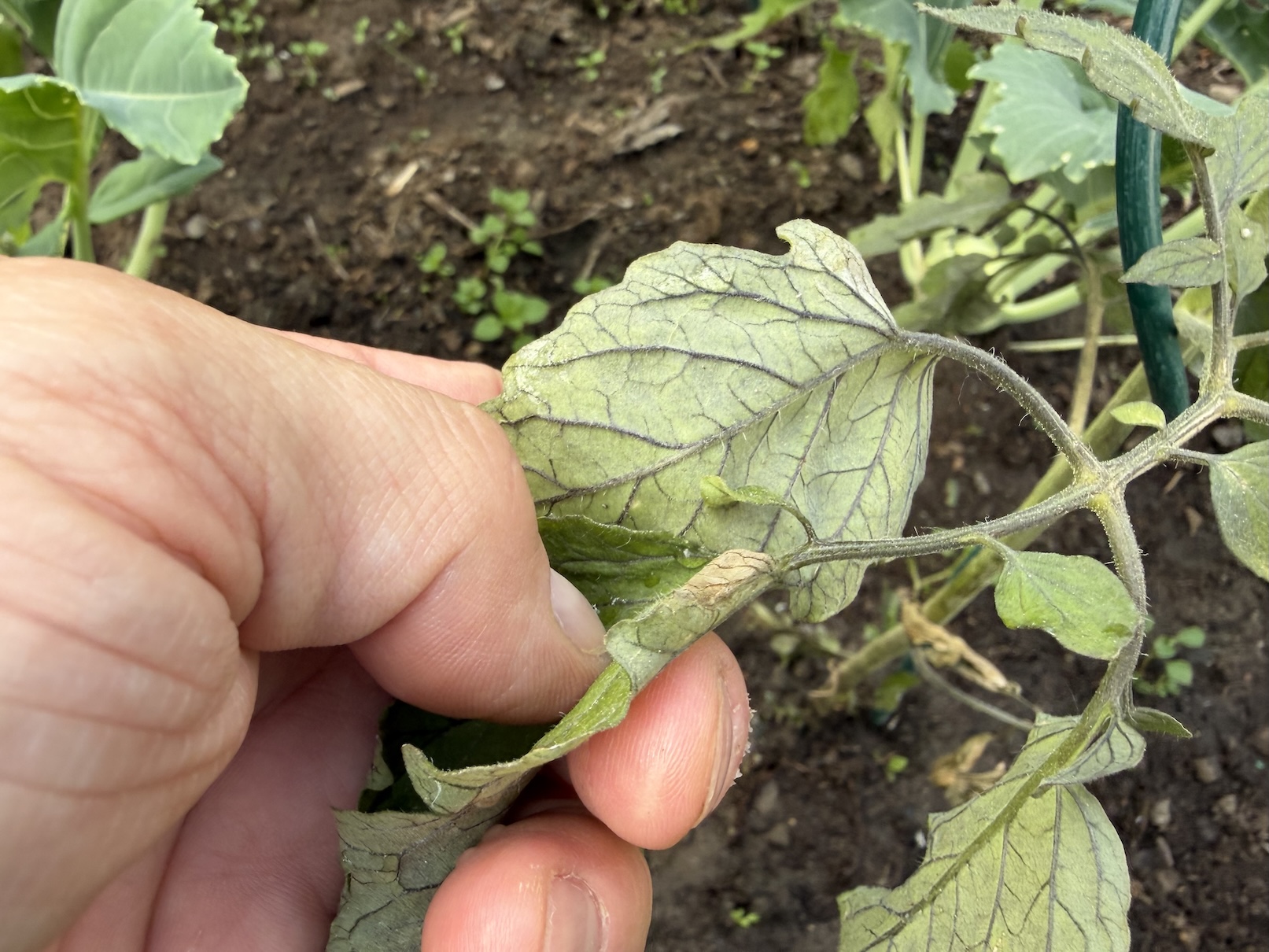
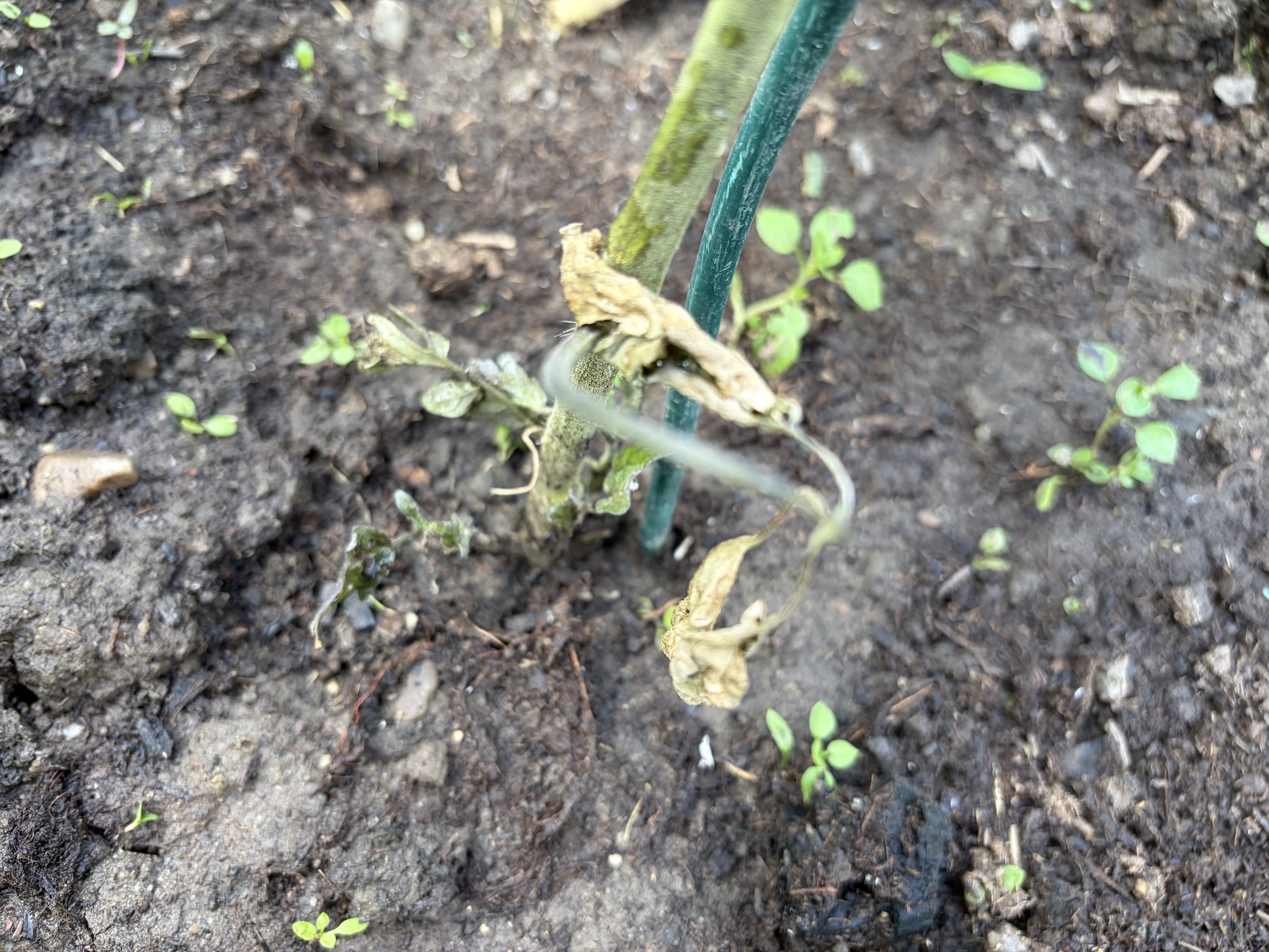
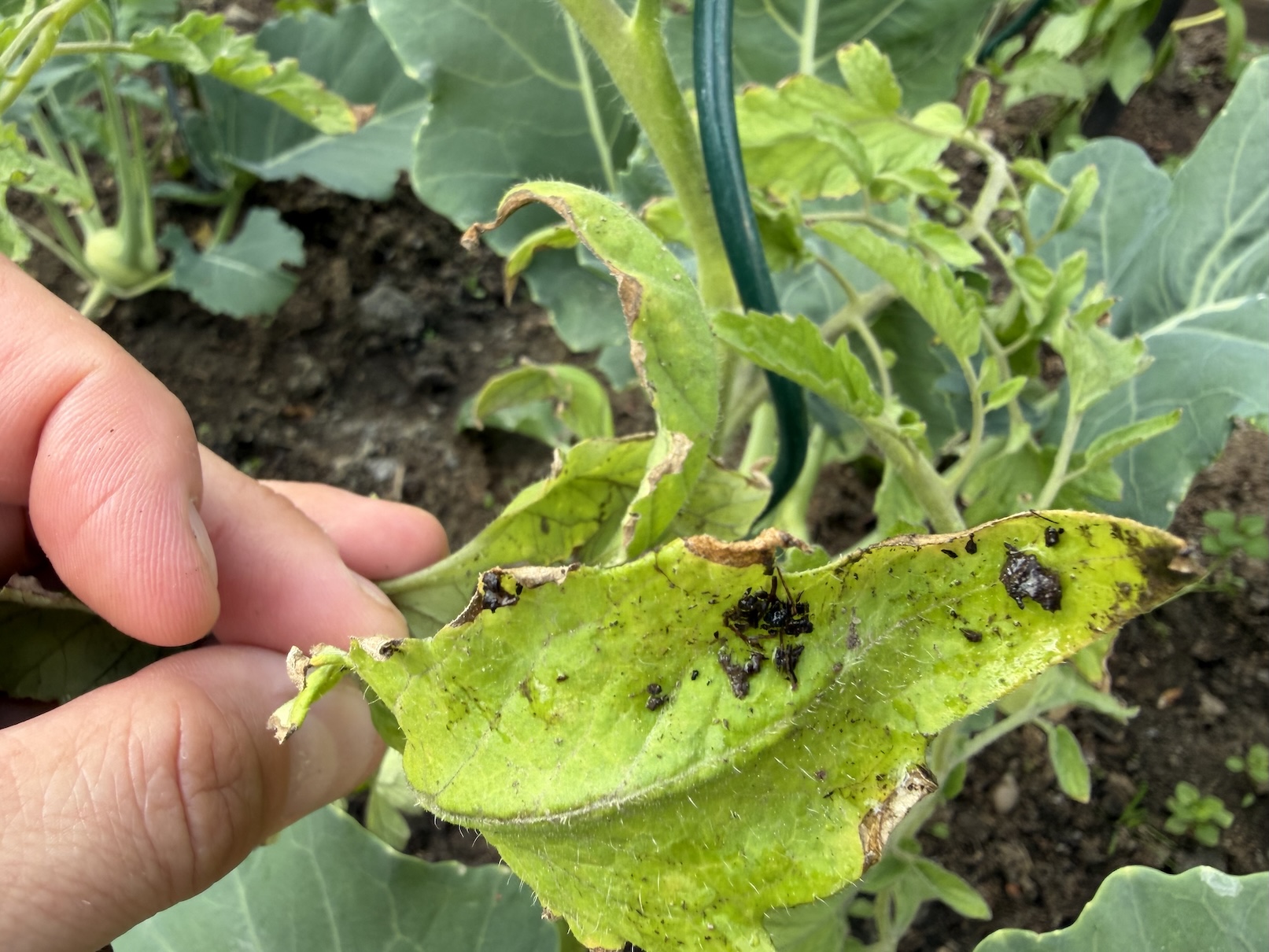
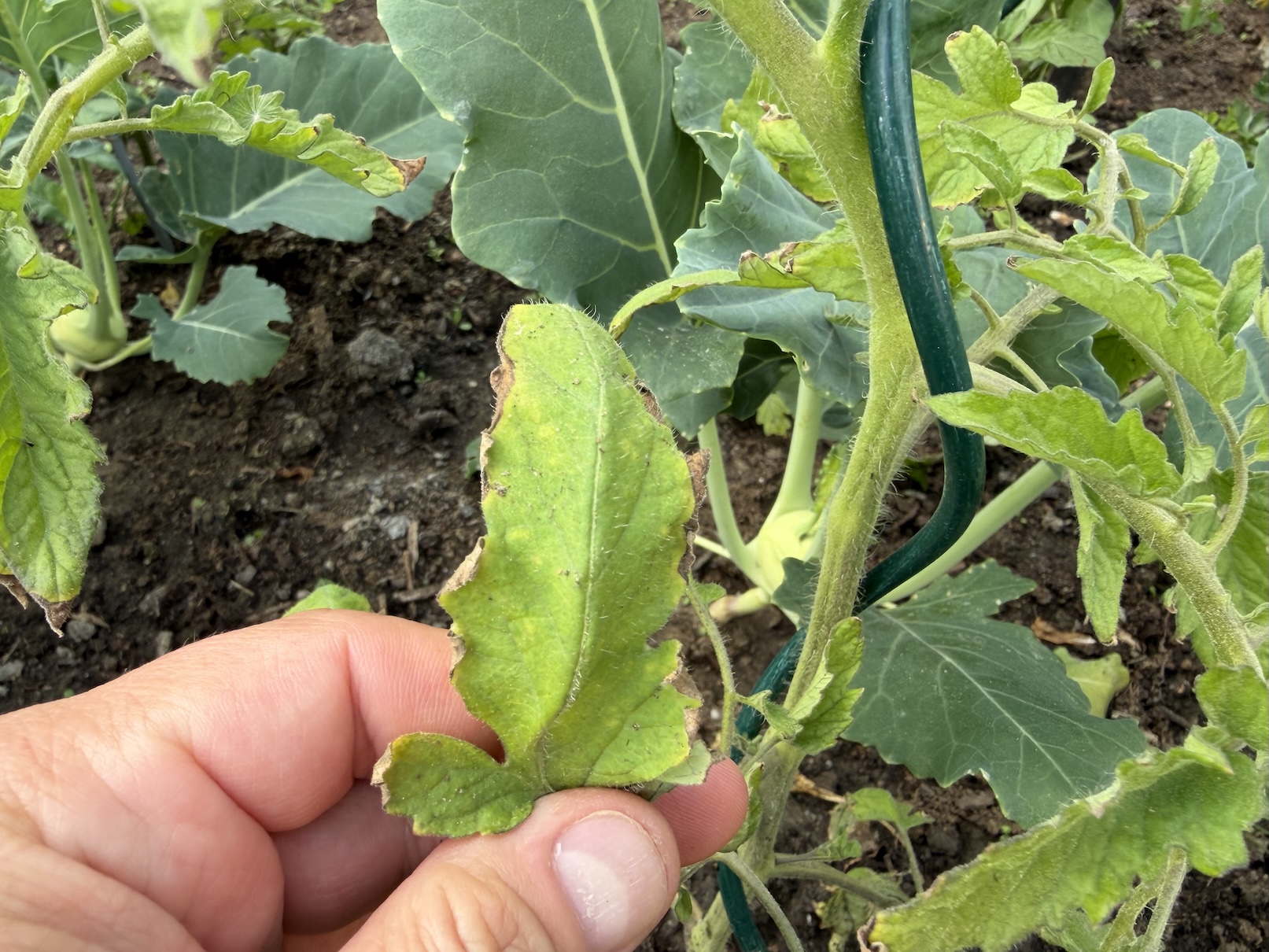
Tomatoes are among the most widely grown crops in our country. It’s no wonder, since they don’t require much care and also guarantee excellent yields. Seedlings are already appearing in most gardens, right in the garden beds. Many of them already show both flowers and young green fruits. However, problems can arise when growing tomatoes. One of them is undoubtedly the browning of tomato leaves. This can have several causes—and solutions. We’ll take a closer look at it in the following paragraphs.
Browning of tomato leaves due to improper watering
The first and most common reason for the browning of tomato leaves is undoubtedly improper watering. The edges of the leaves—and often other parts as well—are deep brown, or even dried out, and crunch when touched.
How to water tomatoes correctly
Although tomato seedlings and, later, mature plants need large amounts of water, it must reach the roots, not the leaves. Tomatoes should be watered slowly so that the water reaches as deep as possible to the roots, which are deep in the soil. It is best to water the plants early in the morning, before the sun is too strong. Watering in the evening is also an option. Do not water plants if the soil is still wet from the previous watering. It is certainly not necessary to water them every day.
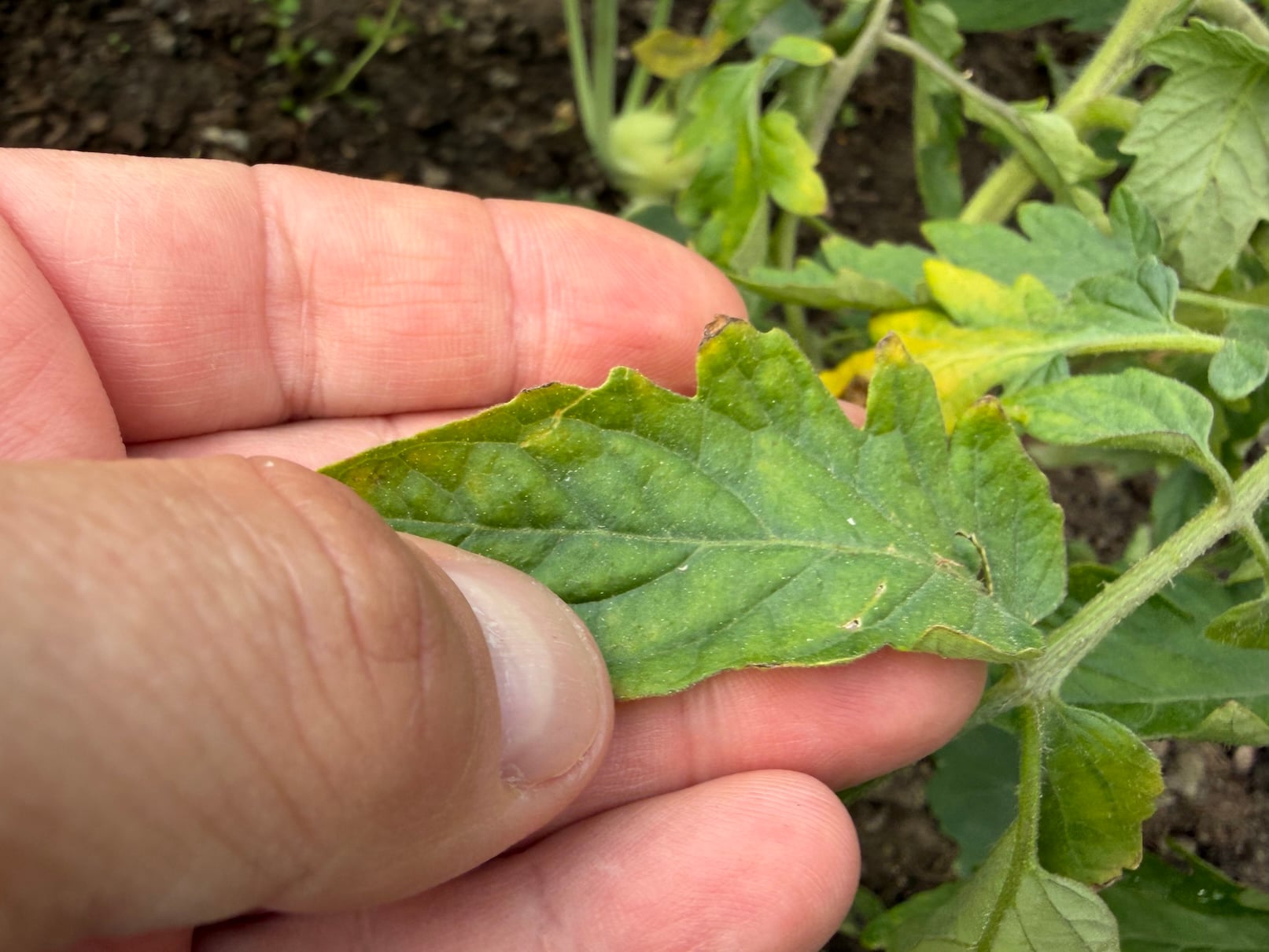
Photo: Radek Stepan
Browning of tomato fruits indicates a disease
In such a case, you need to be on the lookout. Brown spots, which also appear on the fruits and have a mushy texture, indicate some kind of problem. Infected fruits must be discarded. The cause of such problems is usually a lack of calcium in the tomatoes, or, again, improper watering.
Calcium deficiency and incorrect soil pH
Both issues can be addressed. Calcium deficiency arises precisely because of an incorrect pH level. This can be caused by temperature fluctuations, but also by excessive nitrogen. Tomatoes should be grown in a slightly acidic environment. If the pH is too alkaline, simply add compost. Conversely, in an extremely acidic environment, add lime. Incorrect fertilizer is often to blame for nitrogen issues. Simply choose one that contains less nitrogen.
Tip: Baking soda for tomatoes? Have a lot of benefits.
How can you prevent temperature fluctuations?
It’s simple. Just place a sufficient layer of mulch around the plants. Organic materials like straw or cut, dried grass are ideal.
FAQ – Frequently asked questions about brown spots on tomatoes
What does improper watering of tomatoes look like?
Water is directed at the leaves instead of the roots.
How can you tell if leaves are wilted?
They are brown and often crack when touched.
What are other reasons for browning of tomato leaves?
Various diseases, calcium deficiency, excess nitrogen, and others.
Sources: Author, Meta
Photo and photogallery: Radek Stepan



Gardening is my hobby, I have a lot of experience and I am happy to share it.



0 comments