
Are you throwing away your tomato plants after the harvest? That’s a shame—they can still be put to good use

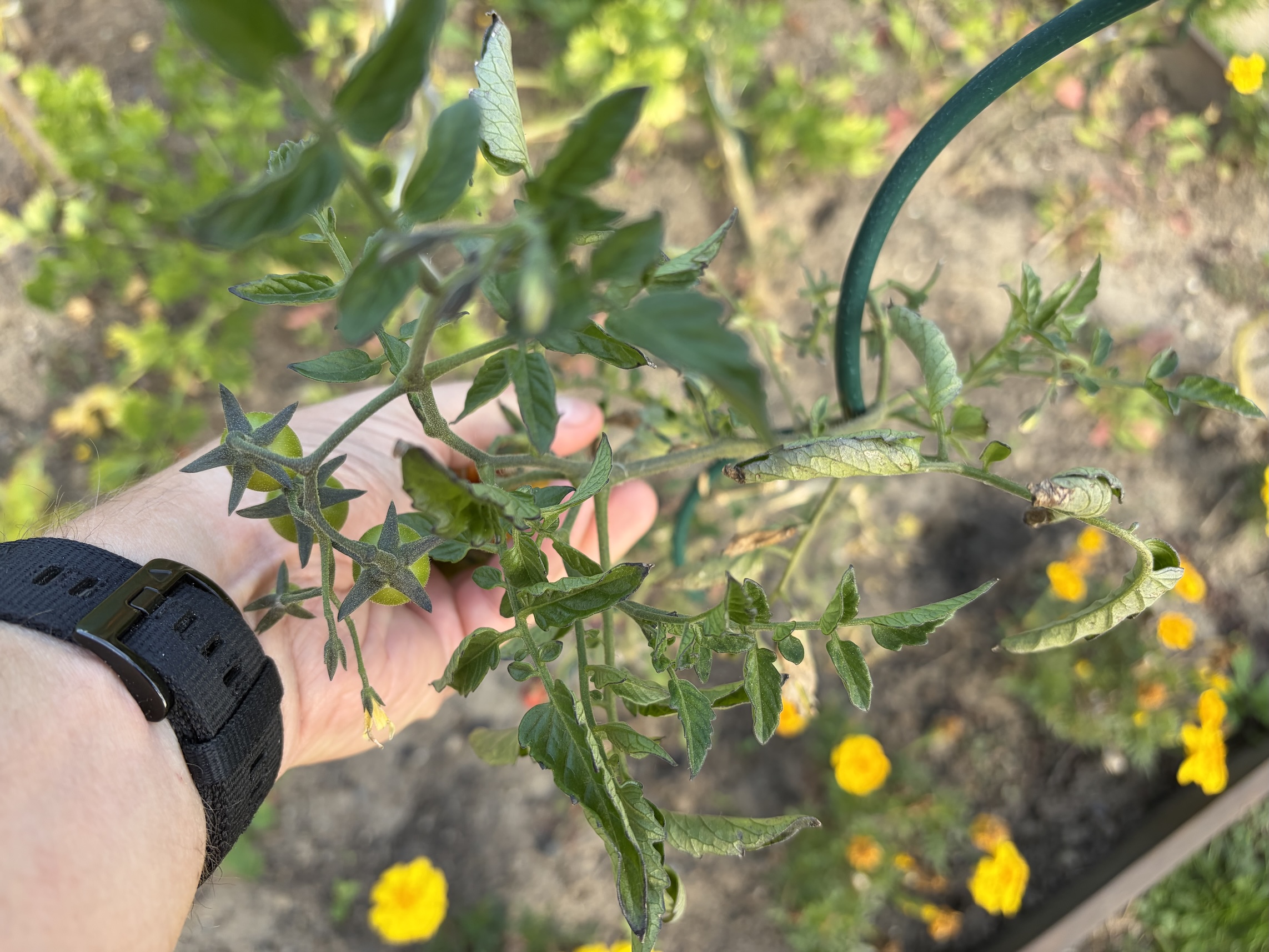
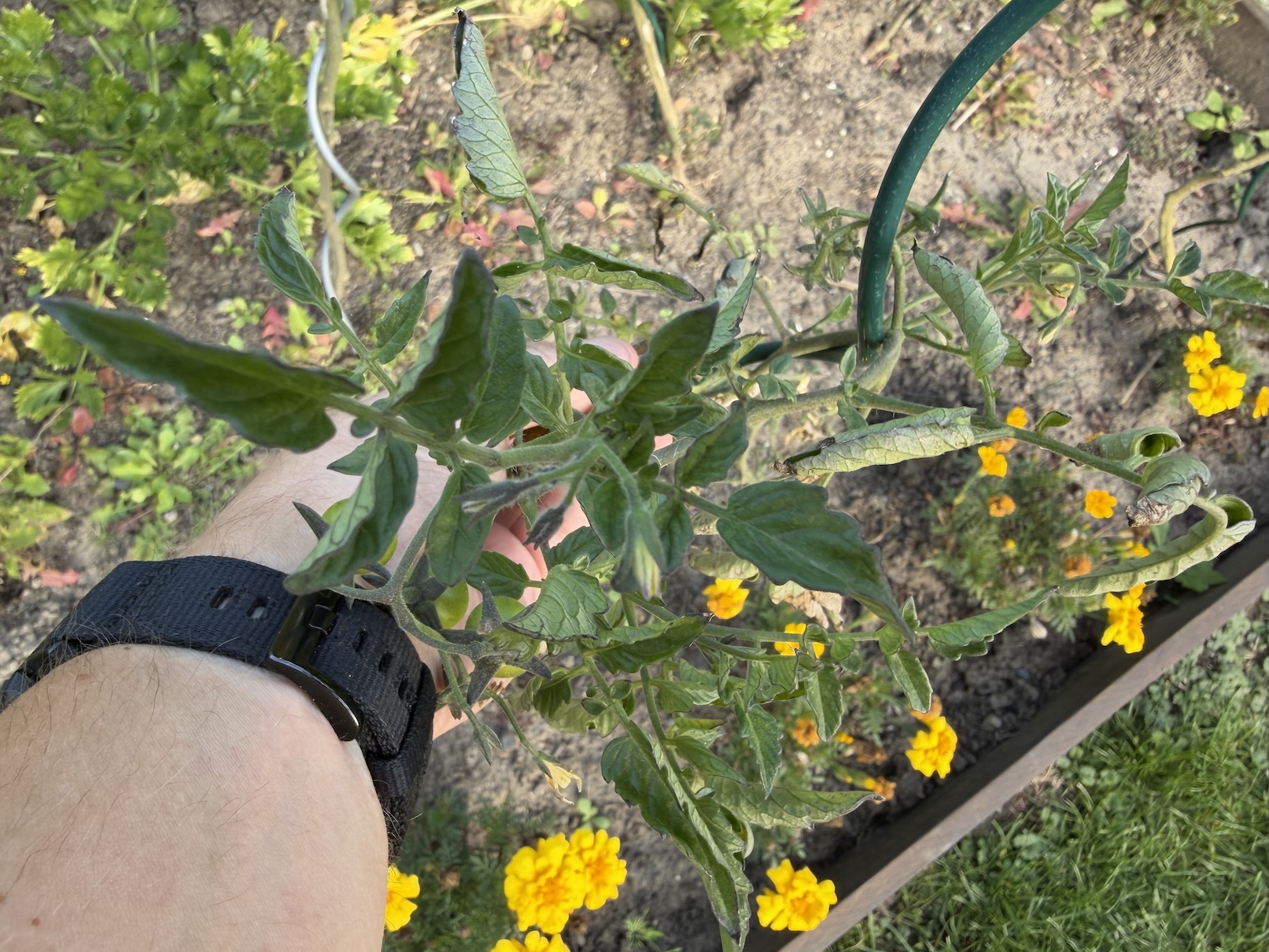
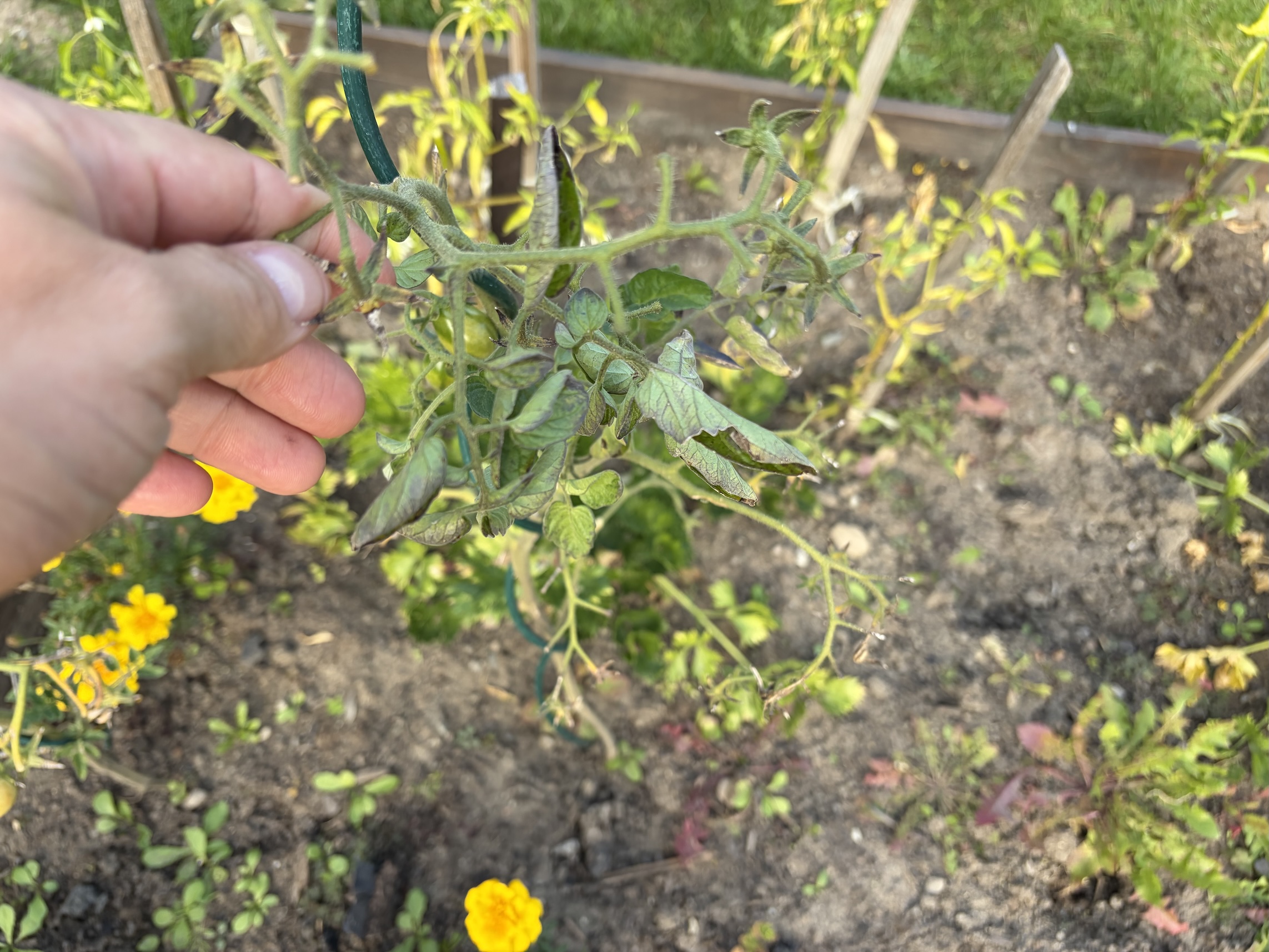
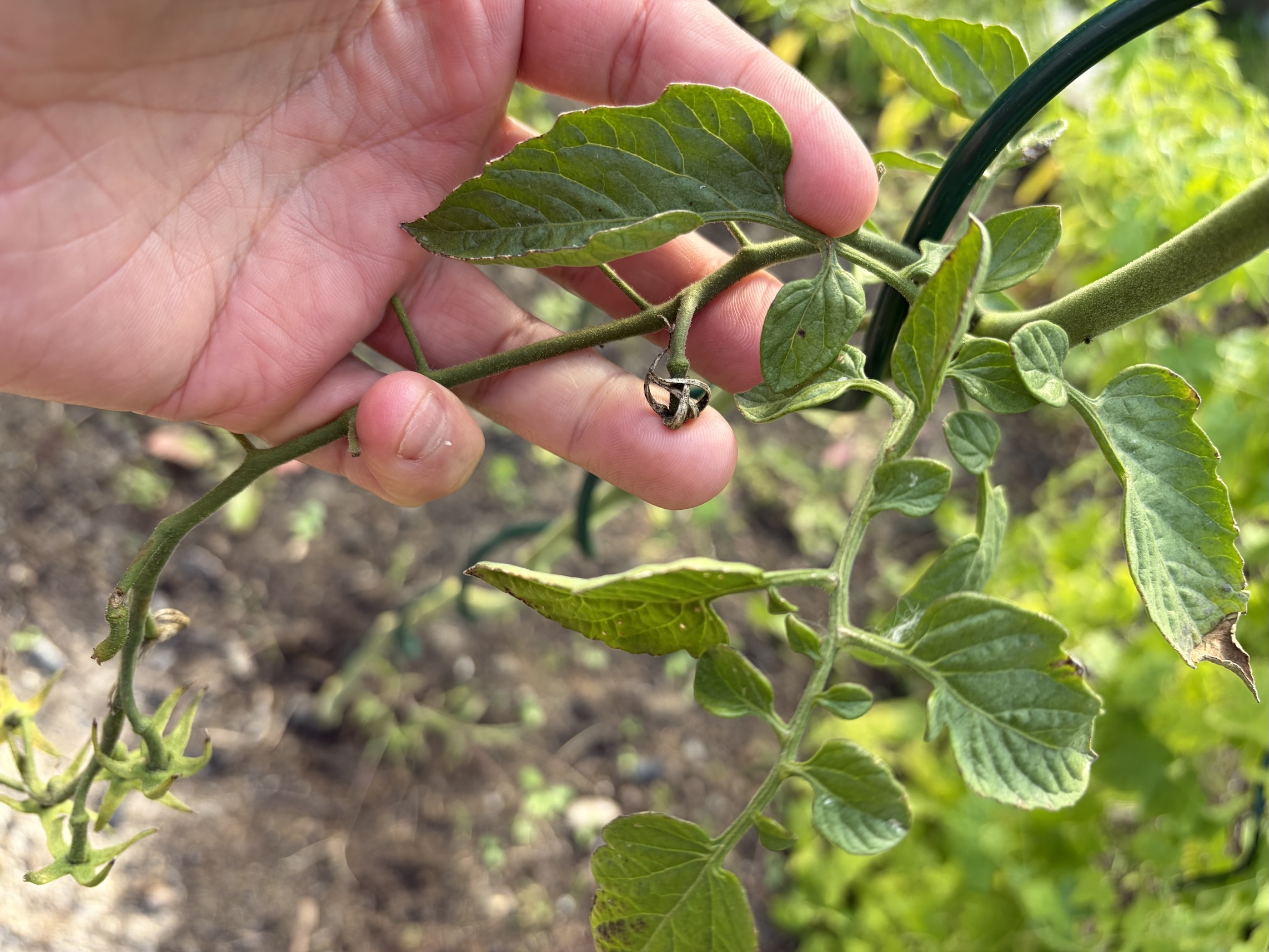
Tomato season is slowly coming to an end. It’s obvious when you look at the garden bed. Some plants are already gone, while others have only a few tomatoes left—often still green. It’s worth waiting a little longer, though, since some of the fruits will still ripen. But once there’s nothing left on the plant, they’re usually thrown into the organic waste. That’s a shame, because even tomato plants that would otherwise be thrown away can be put to good use. How? In several ways. We’ll tell you all about it in this article.
Spent tomato plants as compost feed
A rather interesting and unconventional alternative. Ideally, chop the stems into small pieces and add them to your compost pile or composter. You can never have enough organic matter, and it will certainly come in handy. Tomatoes also contain plenty of nutrients that will enrich your compost and pay off handsomely in the next growing season.
Tomato ash as fertilizer
Tomato plants can also be thoroughly dried and then burned. The ash produced can then simply be used as fertilizer for other plants. Just sprinkle the ash around individual plants, and you’re done. You can also work it into the soil if you prefer. For every square meter, you’ll need about half a cup of fine ash.
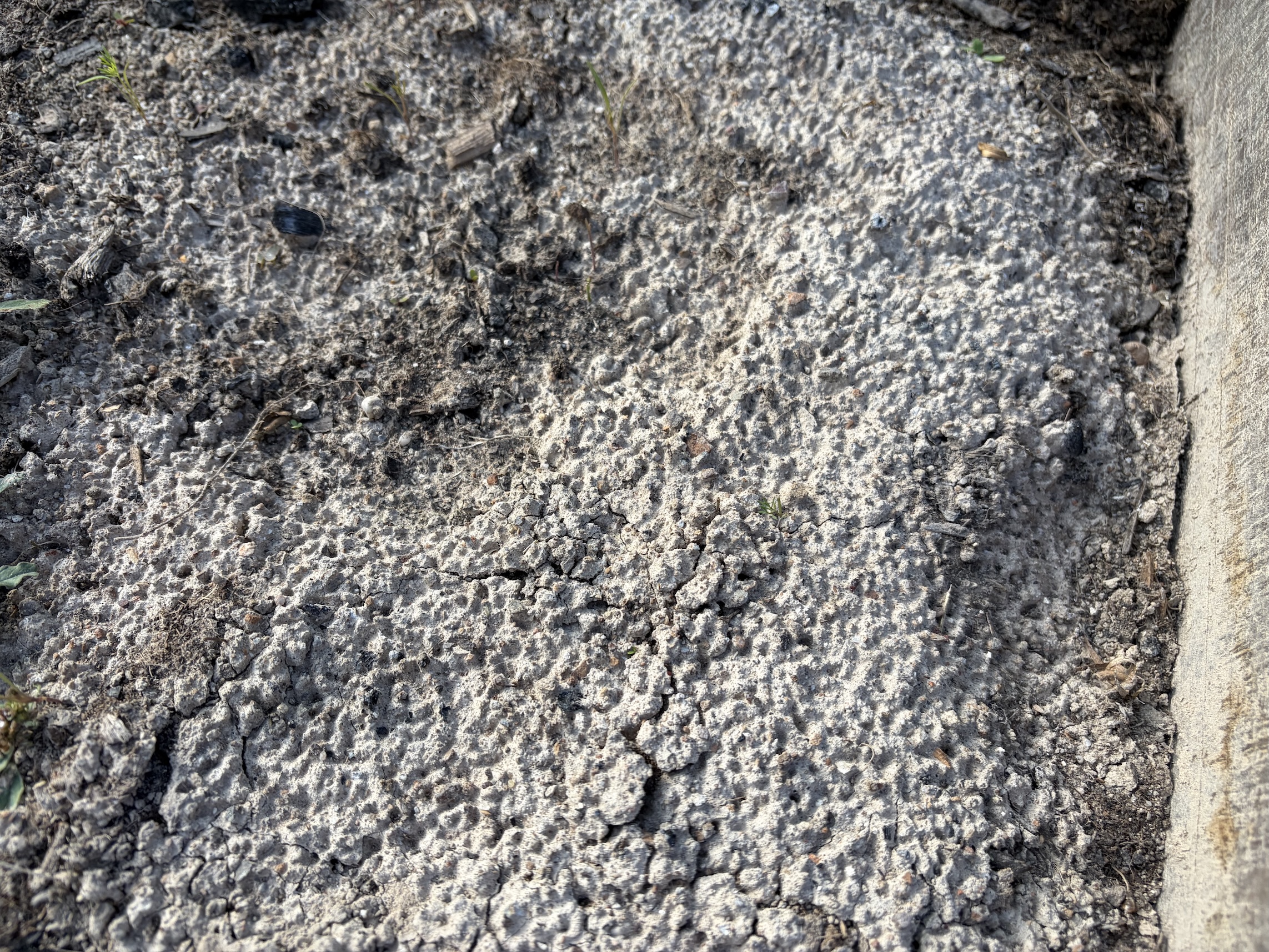
Photo: Radek Stepan
Mulch that enriches the soil
If you shred the plants and use them as mulch, they’ll definitely serve you very well. Among other things, mulch prevents weeds from growing and also repels voles. Over time, it will decompose and enrich the soil.
Tip: Mulching foil may not be the right choice.
Special pesticide spray
It may be hard to believe, but you can even make this from old tomato stems and leaves. How? Chop up half a kilogram of old tomato plants and mix them with 5 liters of water. Let the mixture steep for 2 days in a warm place, stirring it occasionally. After this time, strain the mixture and pour it into a spray bottle with a little dish soap or soap. It works great against aphids.
Be careful, however, with plants that are infected with mold or any pests. These plants must be discarded.
Sources: Author
Photo and photogalllery: Radek Stepan


Gardening is my hobby, I have a lot of experience and I am happy to share it.



0 comments