
Digging may not be enough: How to get rid of weeds in the fall

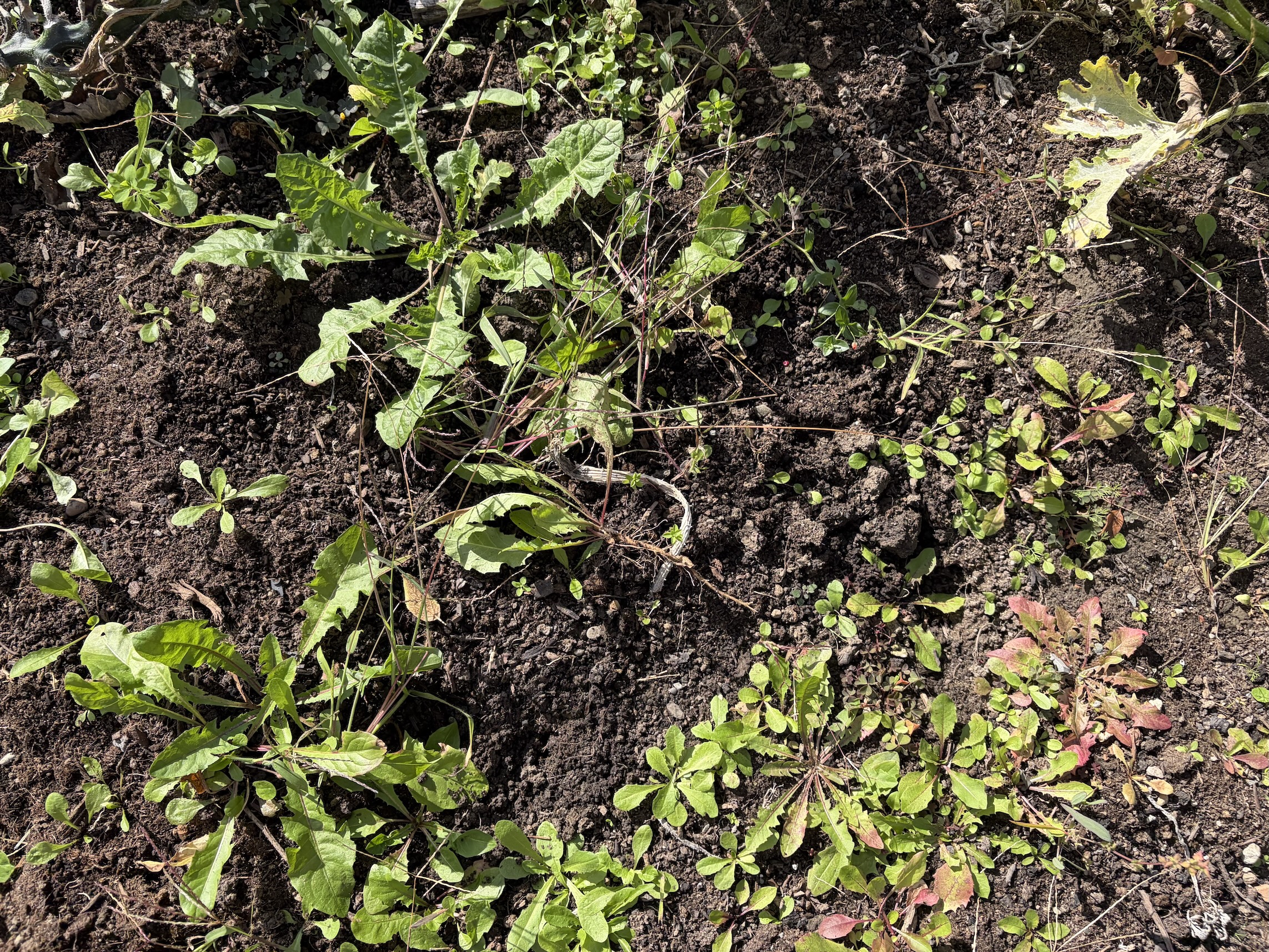
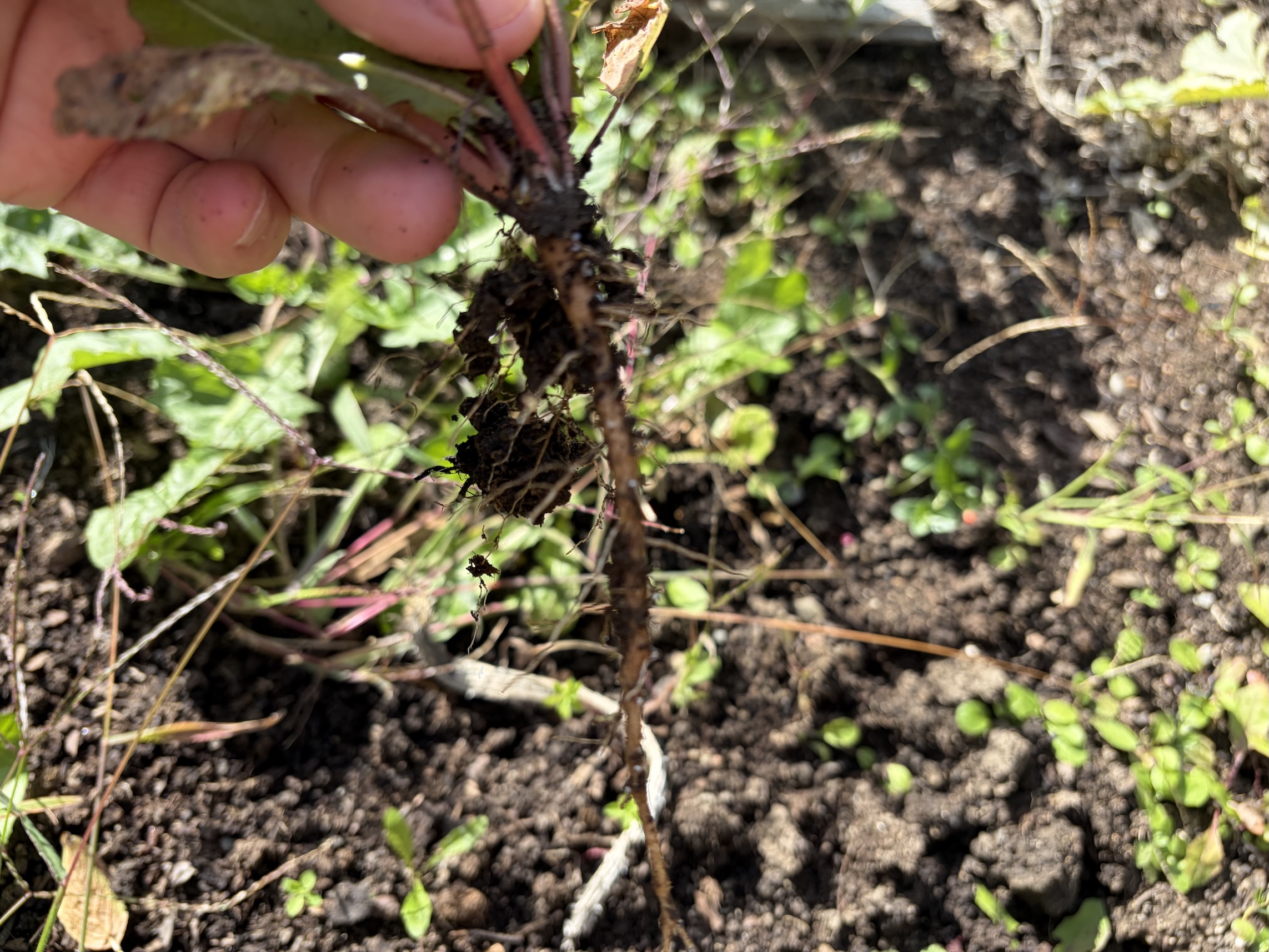
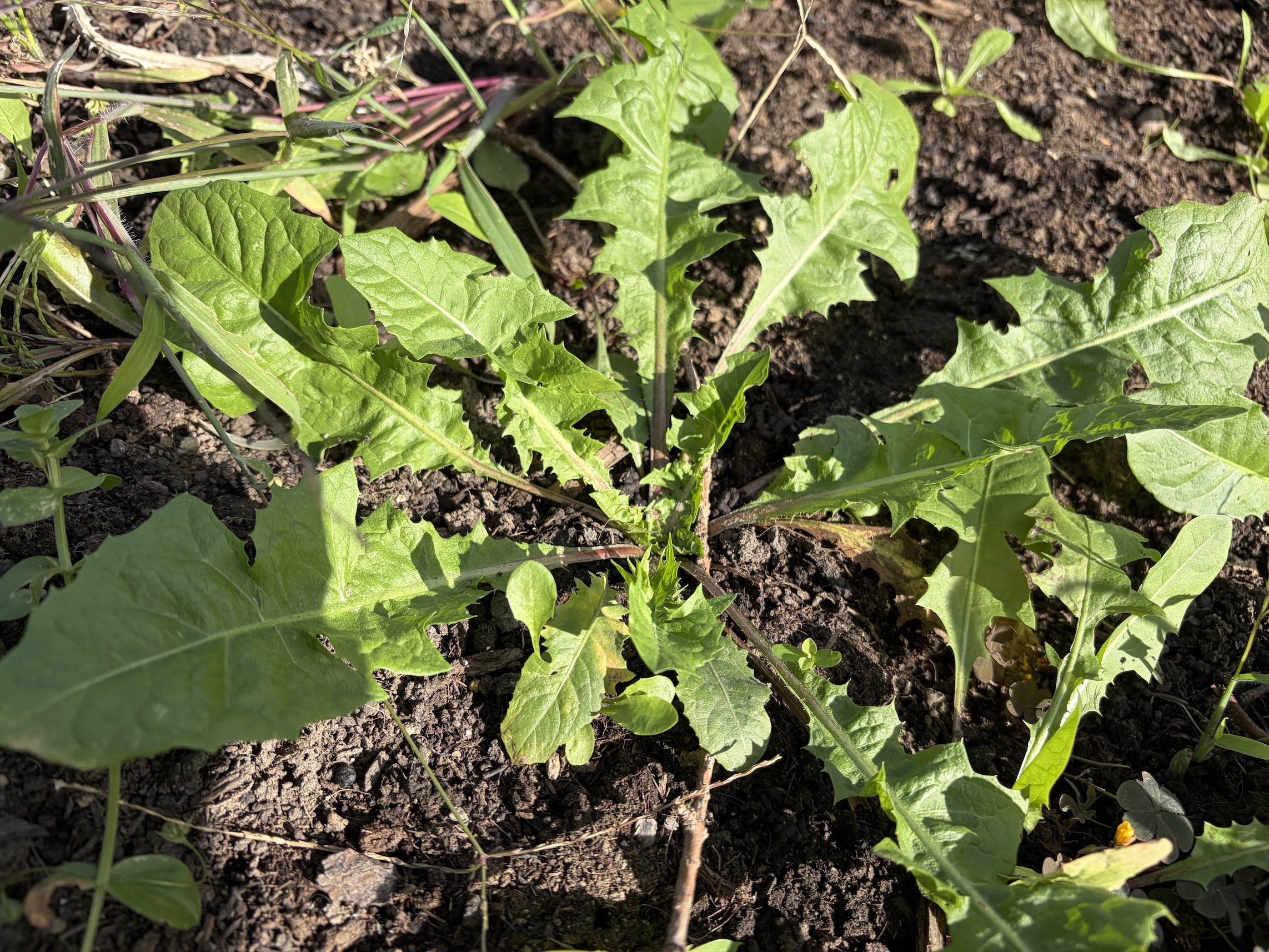
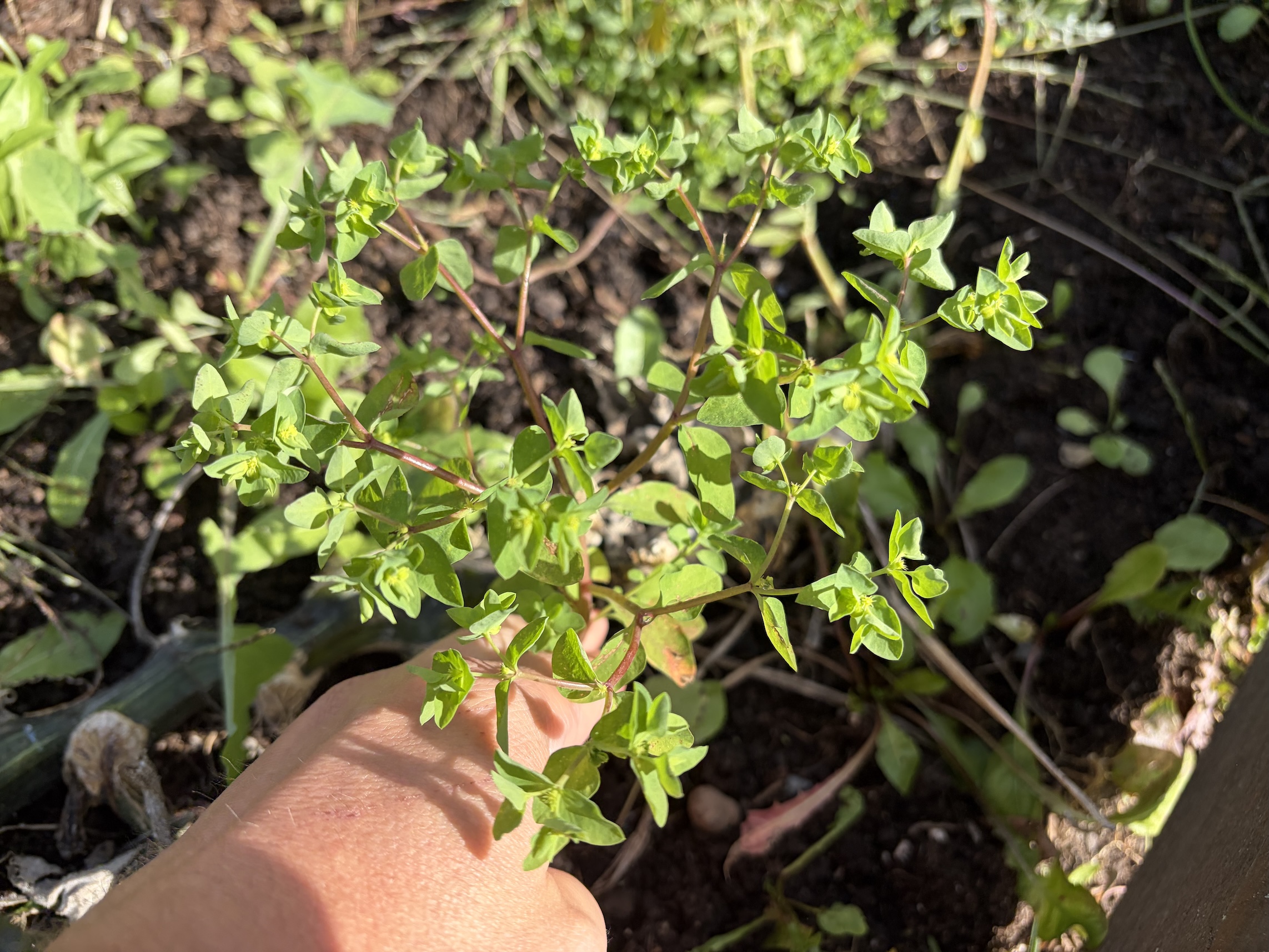
Weeds can cause a lot of trouble anywhere. They traditionally plague gardeners in vegetable beds, where they mingle with crops and steal their essential nutrients. Getting rid of weeds isn’t easy. Fall is a rather unique time of year in terms of weed occurrence, so let’s look at how to deal with both annual and perennial weeds. Of course, we’ll also focus on specific types of weeds.
For annual weeds, simply tilling the garden bed is enough
That’s right. If we dig thoroughly and turn the soil well so that the green parts of the weeds remain below the surface, we can easily get rid of them. Annual weeds will simply rot and die. Next year, of course, they’ll reappear in the beds, but that’s very difficult to prevent.
Tip: Sometimes that’s better. How to Remove Weeds from Paving Stones Mechanically.
Perennial weeds are problematic
Undoubtedly. Perennial weeds are a problem not only because they reproduce by seeds but also through their underground parts. Moreover, they can multiply very quickly via rhizomes and roots. Which plants are most commonly involved? There are certainly plenty of them.
Creeping couch grass is difficult to eradicate
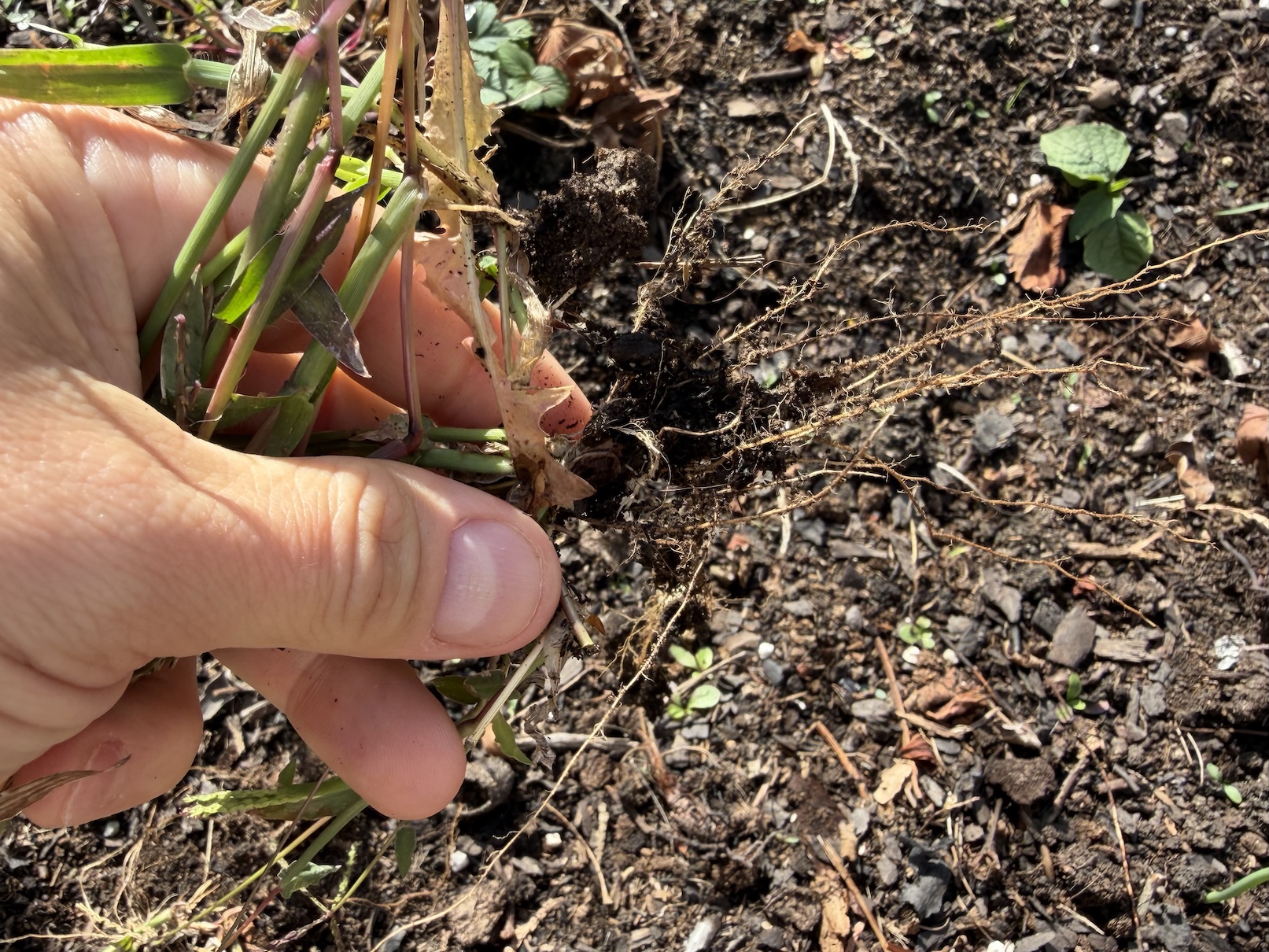
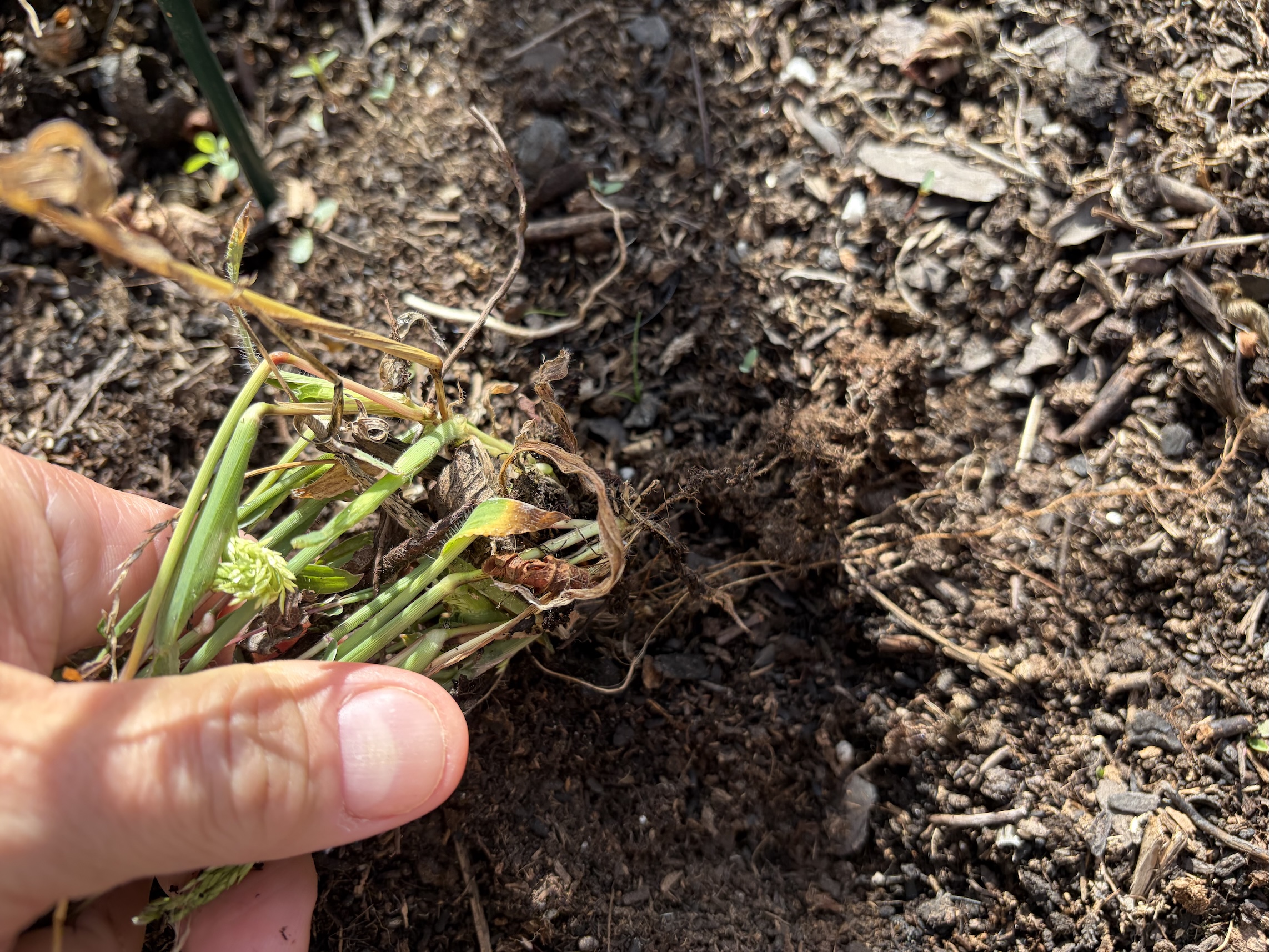
Creeping couch grass is characterized by a literally enormous root system. It is much larger than the plant’s above-ground parts. If we want to remove it, we usually have to dig up the entire flower bed. If even a root just a few centimeters long is left behind, we can be sure that the couch grass will return in all its glory.
Field thistle
This plant, too, can easily reproduce even from segments just 1 cm long. Such a tiny plant will grow into a troublesome thistle, which is very difficult to remove by hand.
Common dandelion
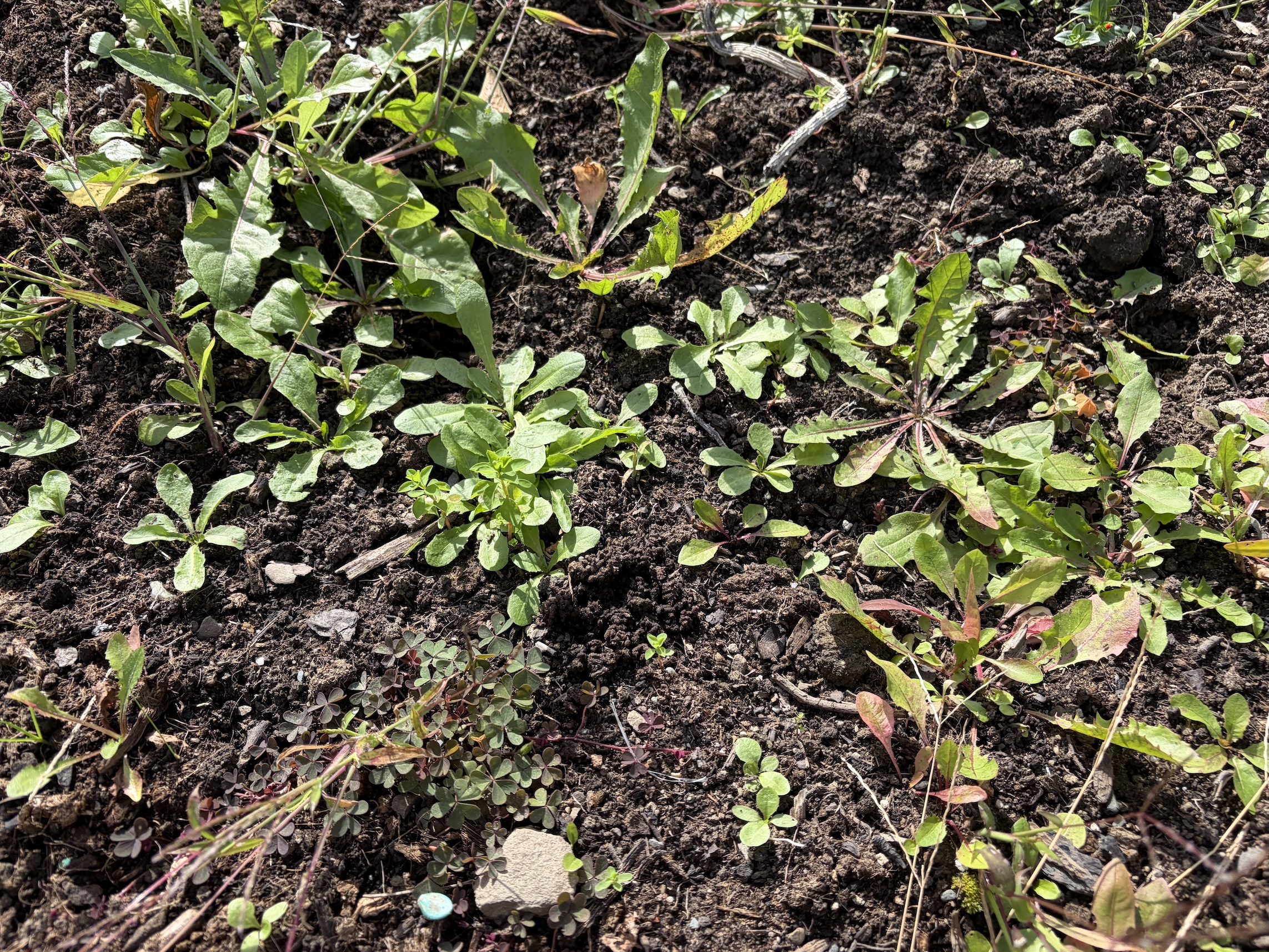
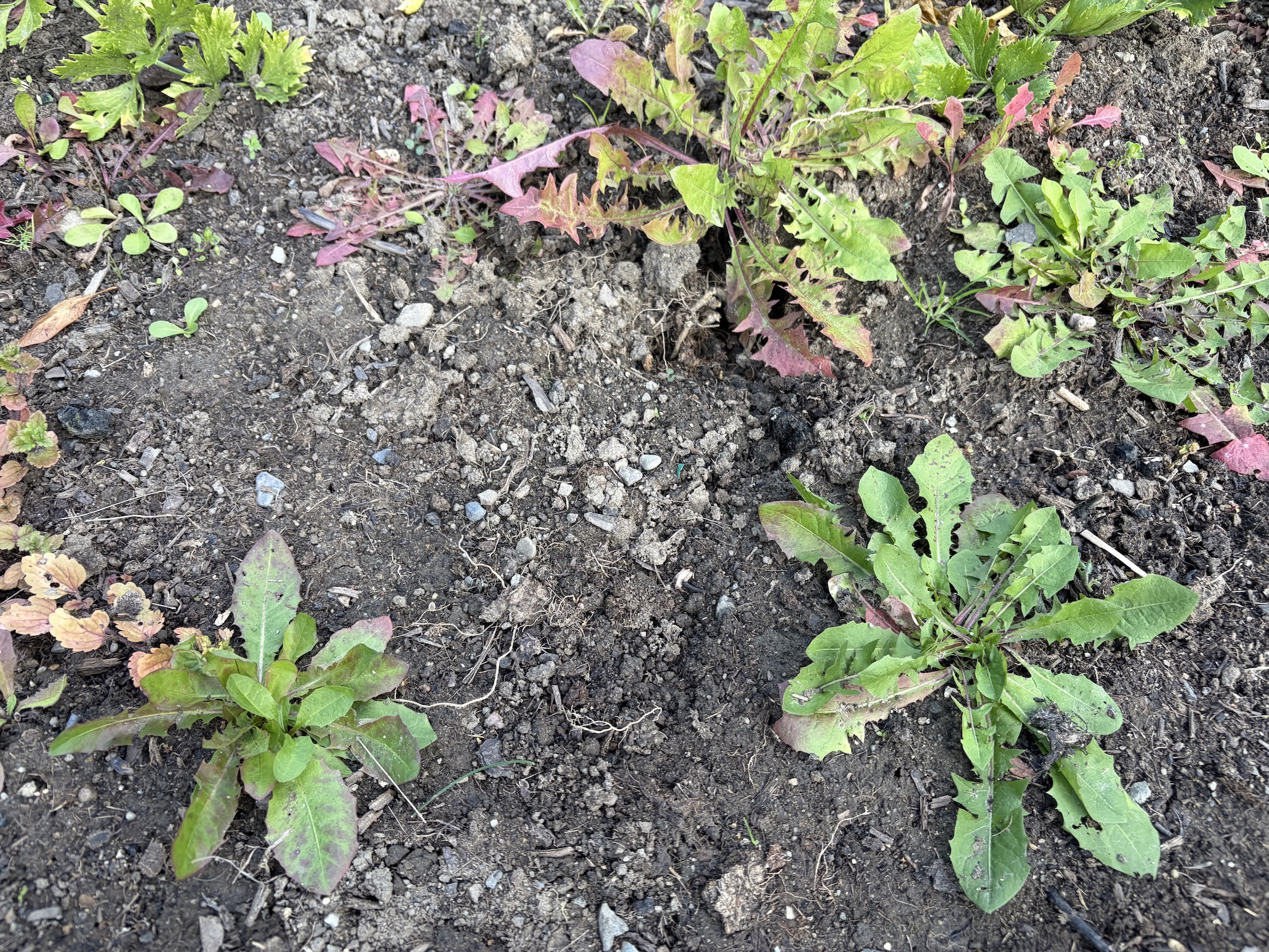
With the common dandelion, it’s not just wind dispersal that’s a problem. Even small roots will produce new leaves and shoots—whether from the upper or lower part of the root. It will then, of course, spread very quickly.
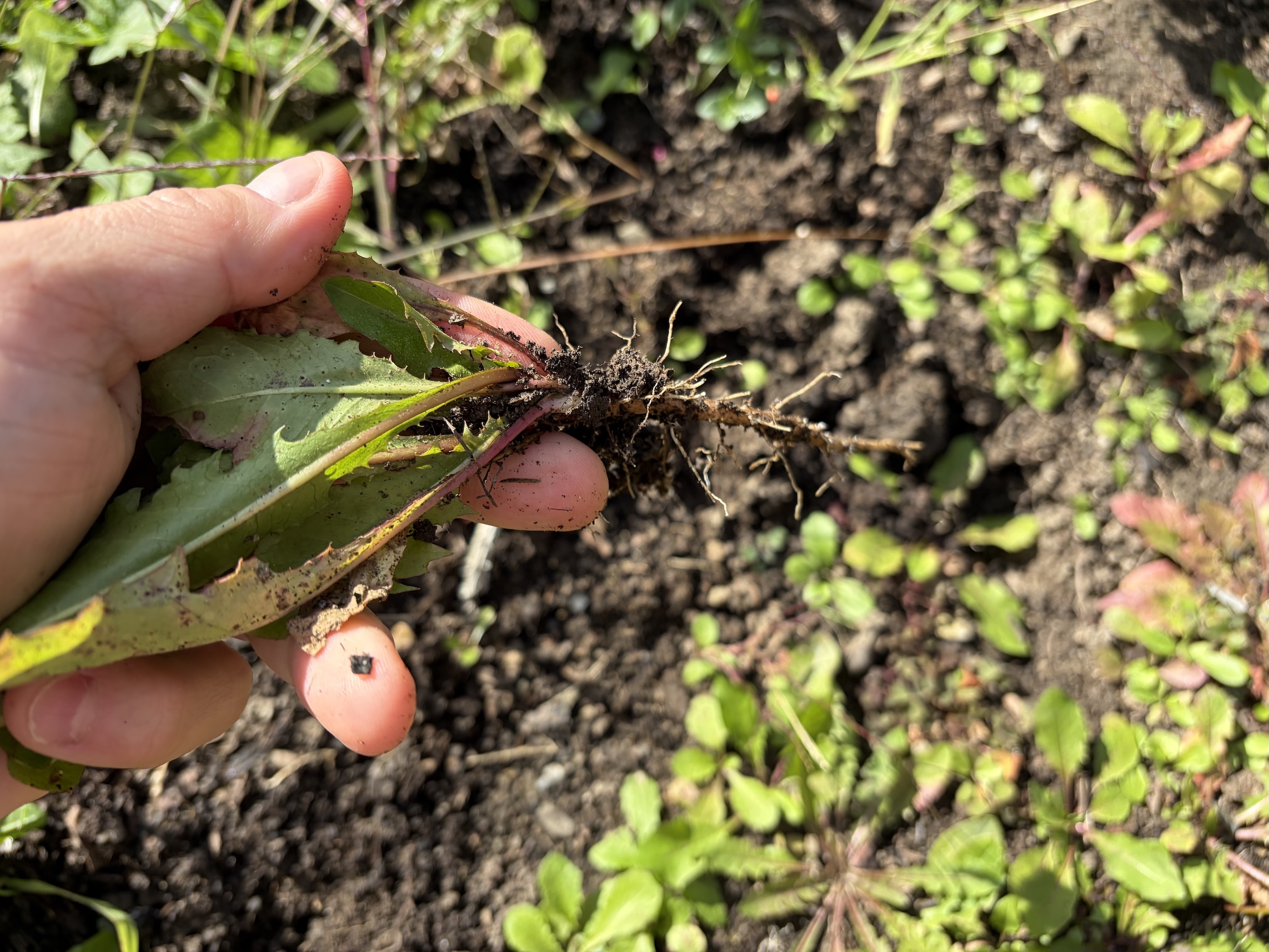
Photo: Radek Stepan
A digging fork is a weapon against perennial weeds
If you’re digging in a garden bed with a large number of perennial weeds, it’s definitely worth using a digging fork. This tool won’t damage the roots of perennial weeds, making it very easy to pull them out.
Curbs can also help prevent the spread of weeds
Definitely. Garden beds literally attract weeds. If you install concrete or even wooden edging around them, you can prevent this to some extent.
Sources: Author—gardener, FTV Prima
Photo and photogallery: Radek Stepan


Gardening is my hobby, I have a lot of experience and I am happy to share it.


0 comments