
Thuja trees turning brown in the fall: A problem that can ve solved with fertilizer

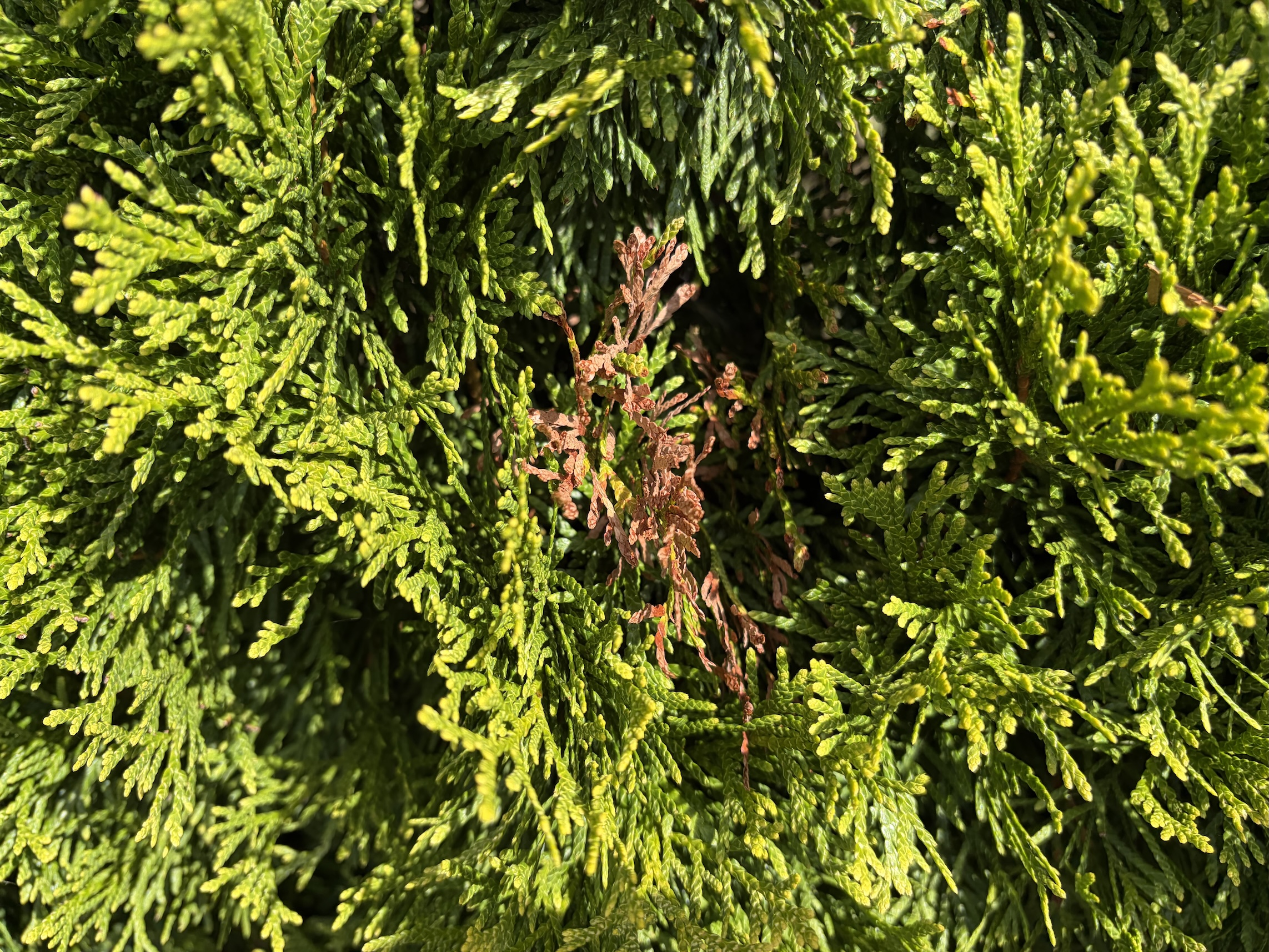
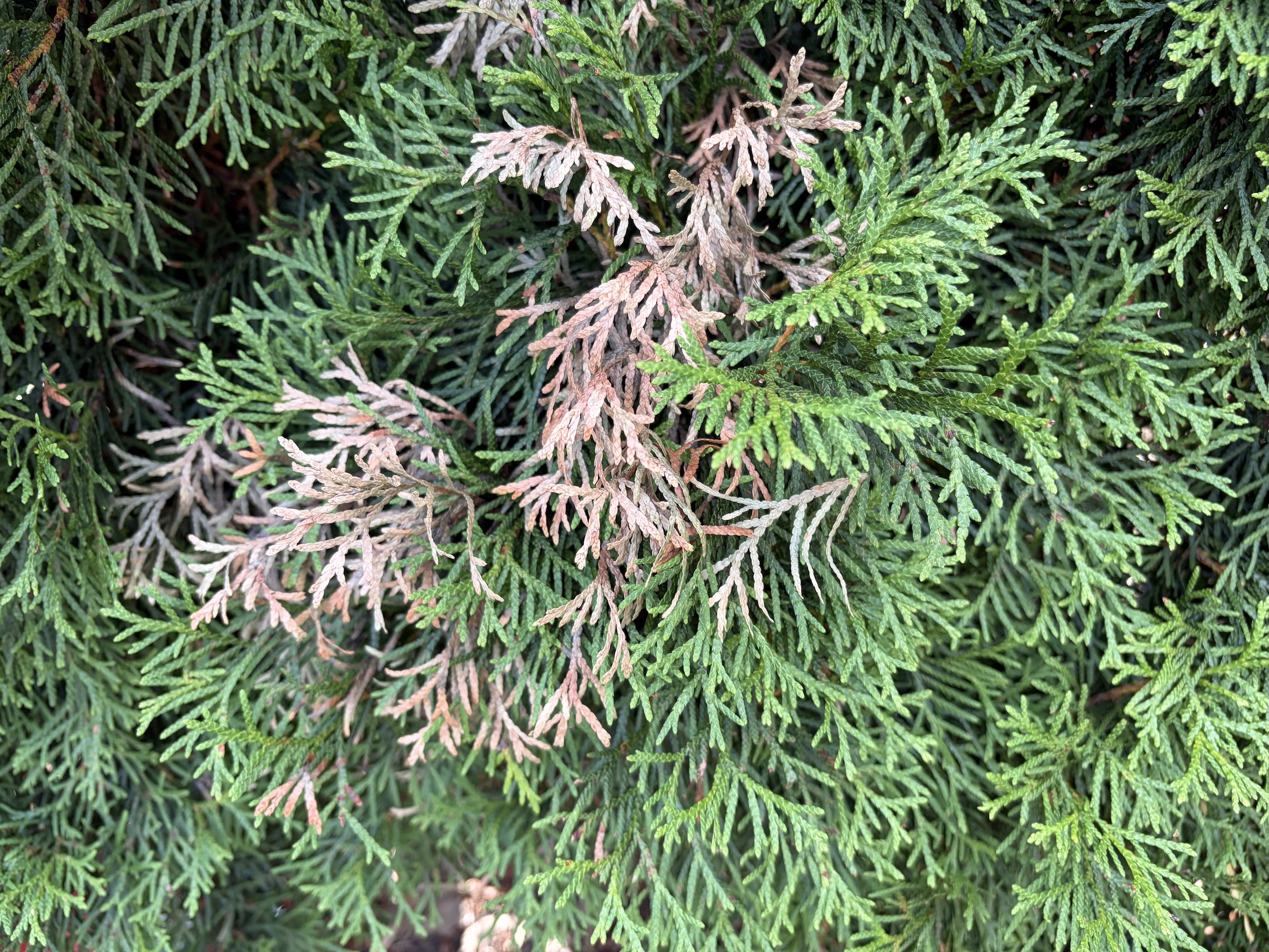
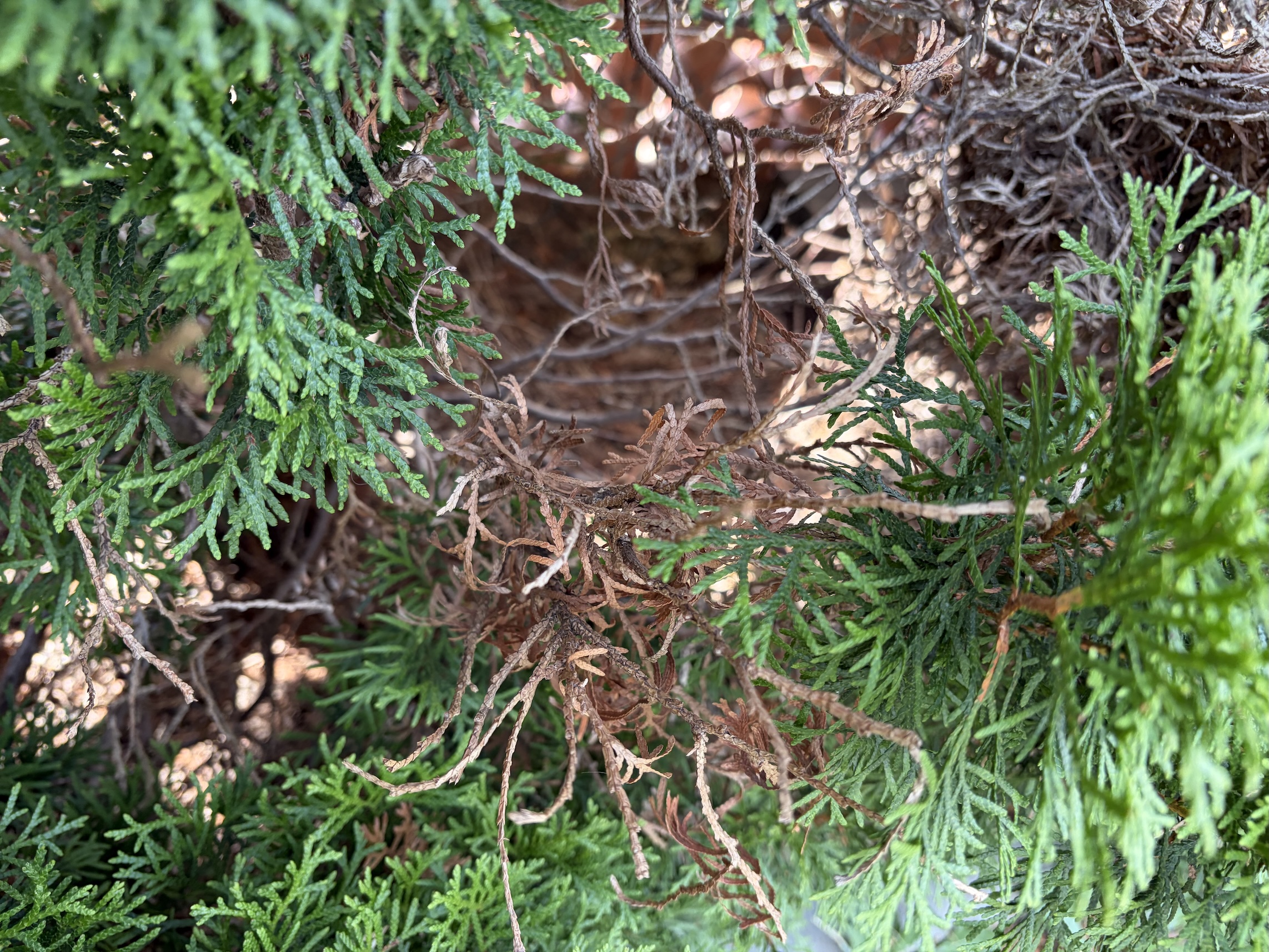
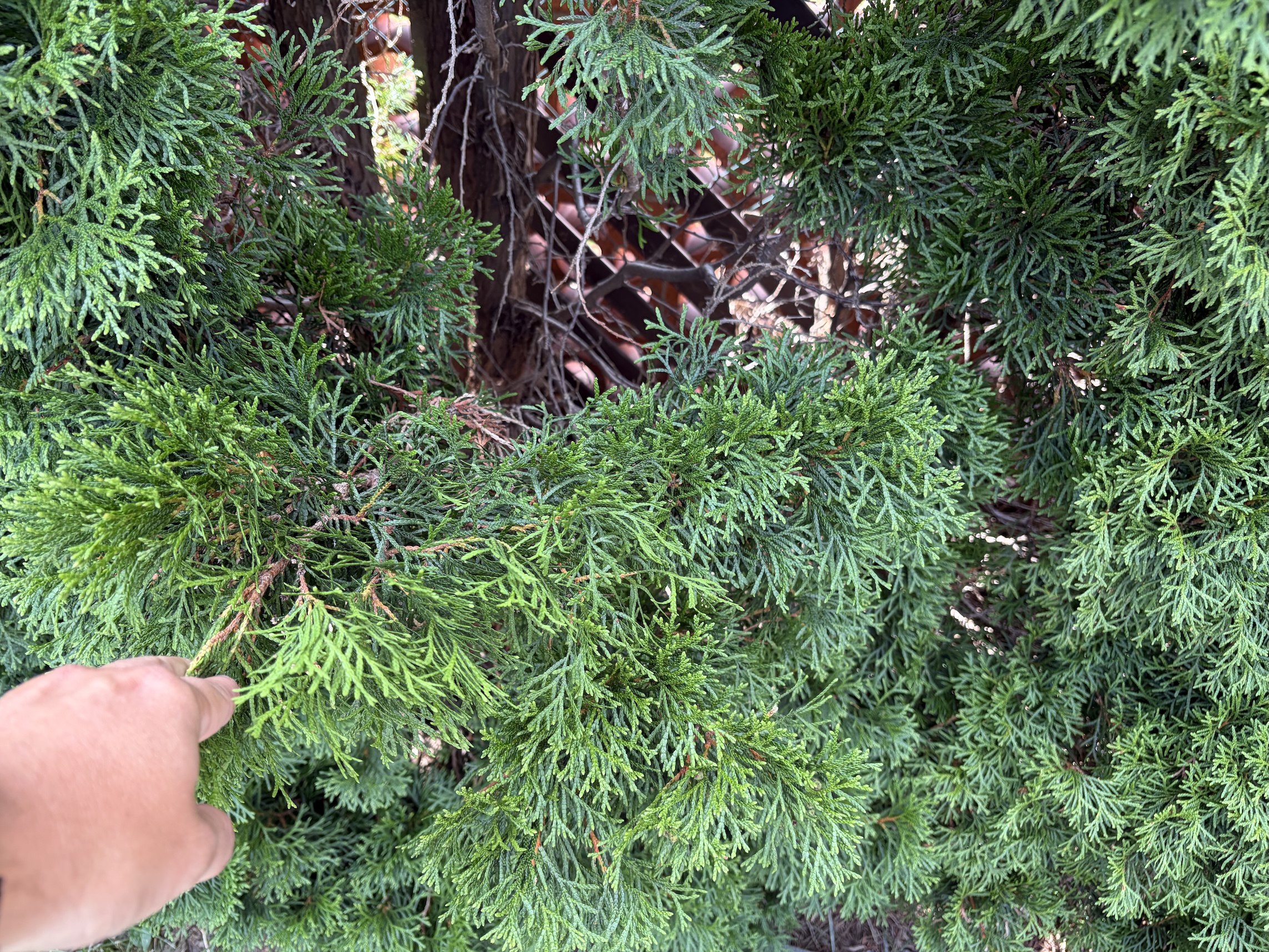
Thuja trees are an integral part of many of our gardens. It’s no wonder, since they make absolutely excellent hedges. When cared for properly and pruned to perfection, they certainly create an impenetrable barrier that ensures plenty of privacy and looks fantastic. However, arborvitae can also cause problems. Among these is undoubtedly their browning, which occurs quite frequently. This can happen during the summer or even now in the fall. Why do thuja trees turn brown, and how should you address this problem? We’ll reveal all of that in the following paragraphs.
Why do thuja trees turn brown?
There can be several causes for thuja trees turning brown. The most common cause is insufficient hydration. Thuja trees can remain green for quite a long time on their own. However, excessive drought exhausts them, and they typically begin to turn brown from the inside out. Voles and mice can also damage the trees. In such cases, though, we see visible signs in the form of gnawed roots or thinner lower sections of the arborvitae themselves. Aphids are also often noticeable. If you fertilize your arborvitae, be careful, as over-fertilization can also cause them to turn brown. We’ve never fertilized our arborvitae, and they’ve always thrived.

Photo: Radek Stepan
Outwit pests with homemade sprays
Nothing could be simpler. A garlic spray is an excellent choice. Simply peel two heads of garlic at home and lightly crush the cloves. Pour a liter of water over them and let it sit for 24 hours. Then strain the mixture and pour it into a spray bottle. It makes a great insecticide. For voles, a mixture of 500 ml of water and 30 drops of lavender oil is ideal. Simply spray the mixture on the areas where the vole has been seen. It will disappear for good—it can’t stand the scent of lavender.
Tip: There are more home remedies for preventing thuja trees from turning brown. You can check them out.
Water left over from cooking vegetables helps thuja trees regenerate
Paradoxically, you can also help thuja trees by pouring kitchen scraps on them. Water left over from cooking vegetables or potatoes contains a whole range of beneficial substances, such as nitrogen, phosphorus, and magnesium. Be careful with salted water, though. Coffee grounds are also good for thuja trees. Just add them to the soil around the trees.
Sources: Author, Meta, tojenapad.sk
Photo and photogallery: Radek Stepan


Gardening is my hobby, I have a lot of experience and I am happy to share it.


0 comments