
How to help them? Bell peppers bloom in july but don’t bear fruit

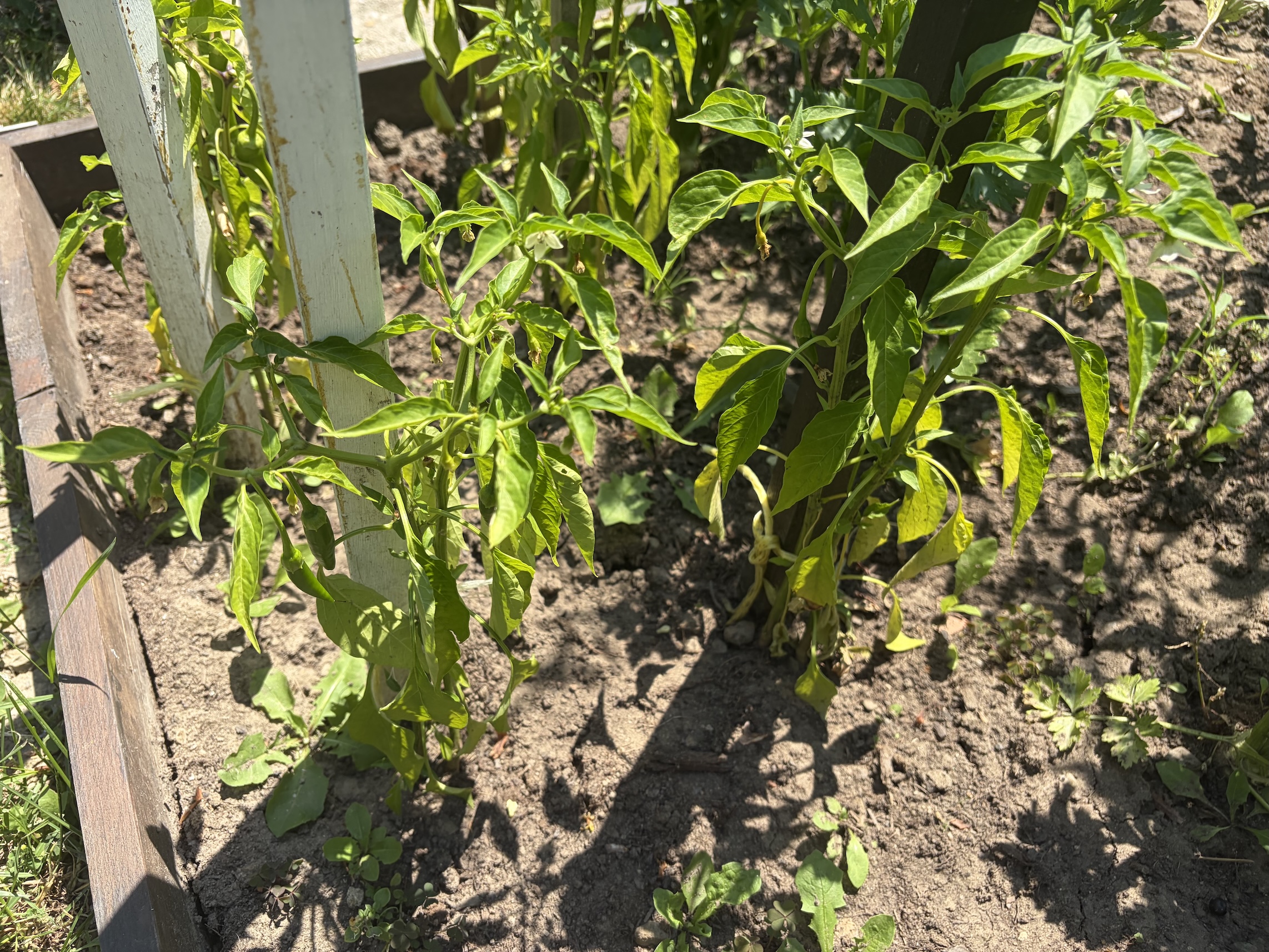
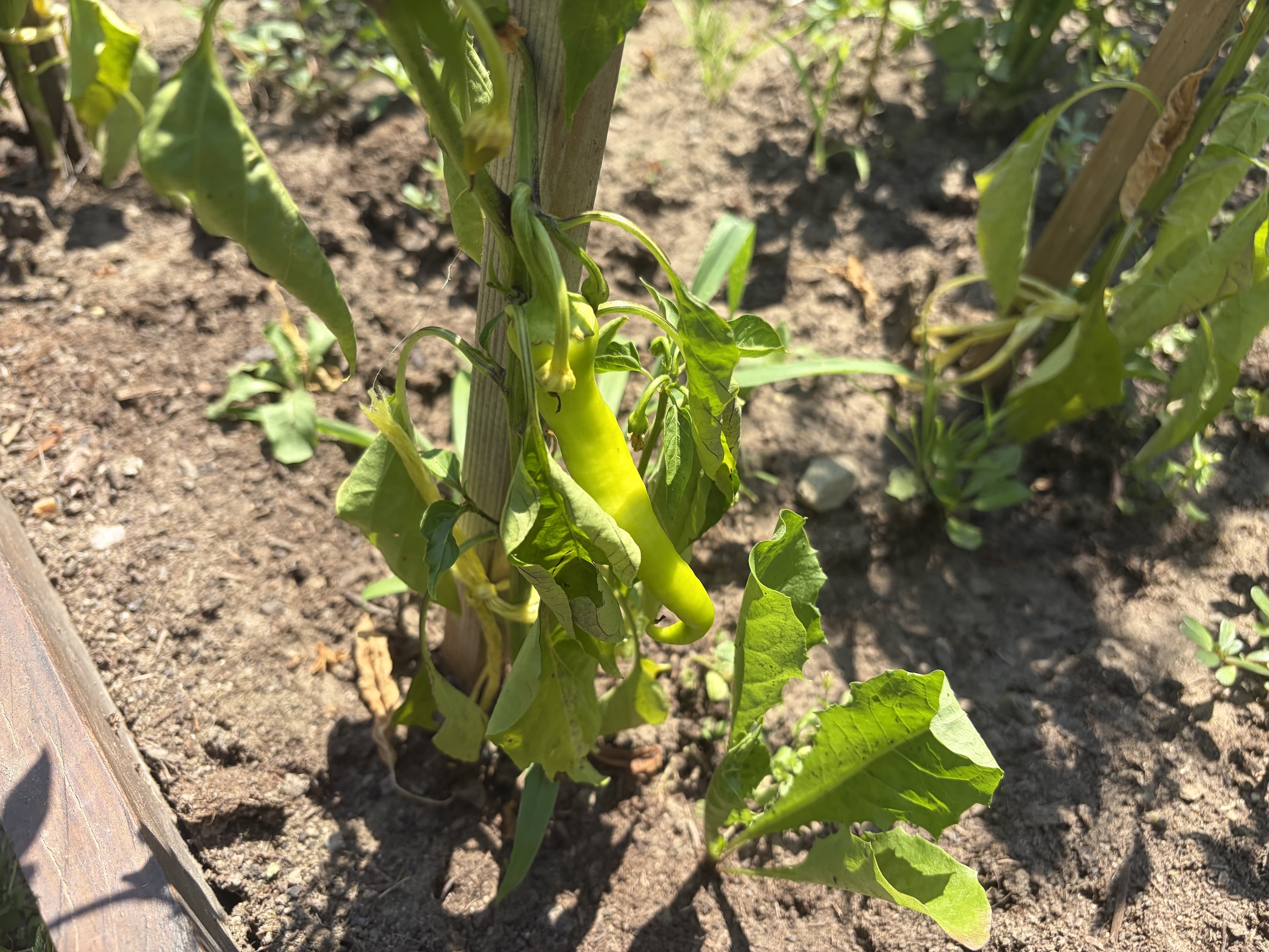
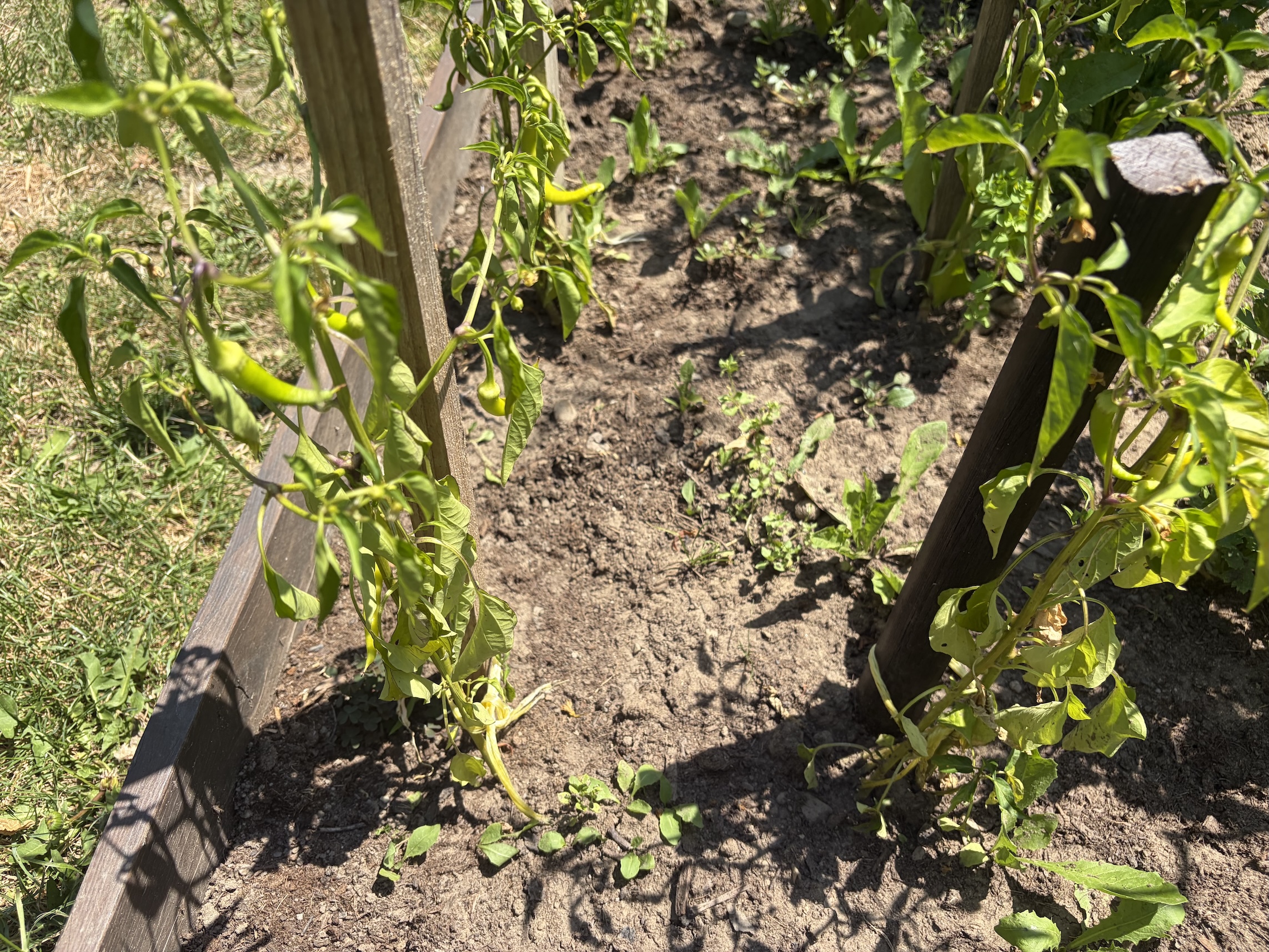
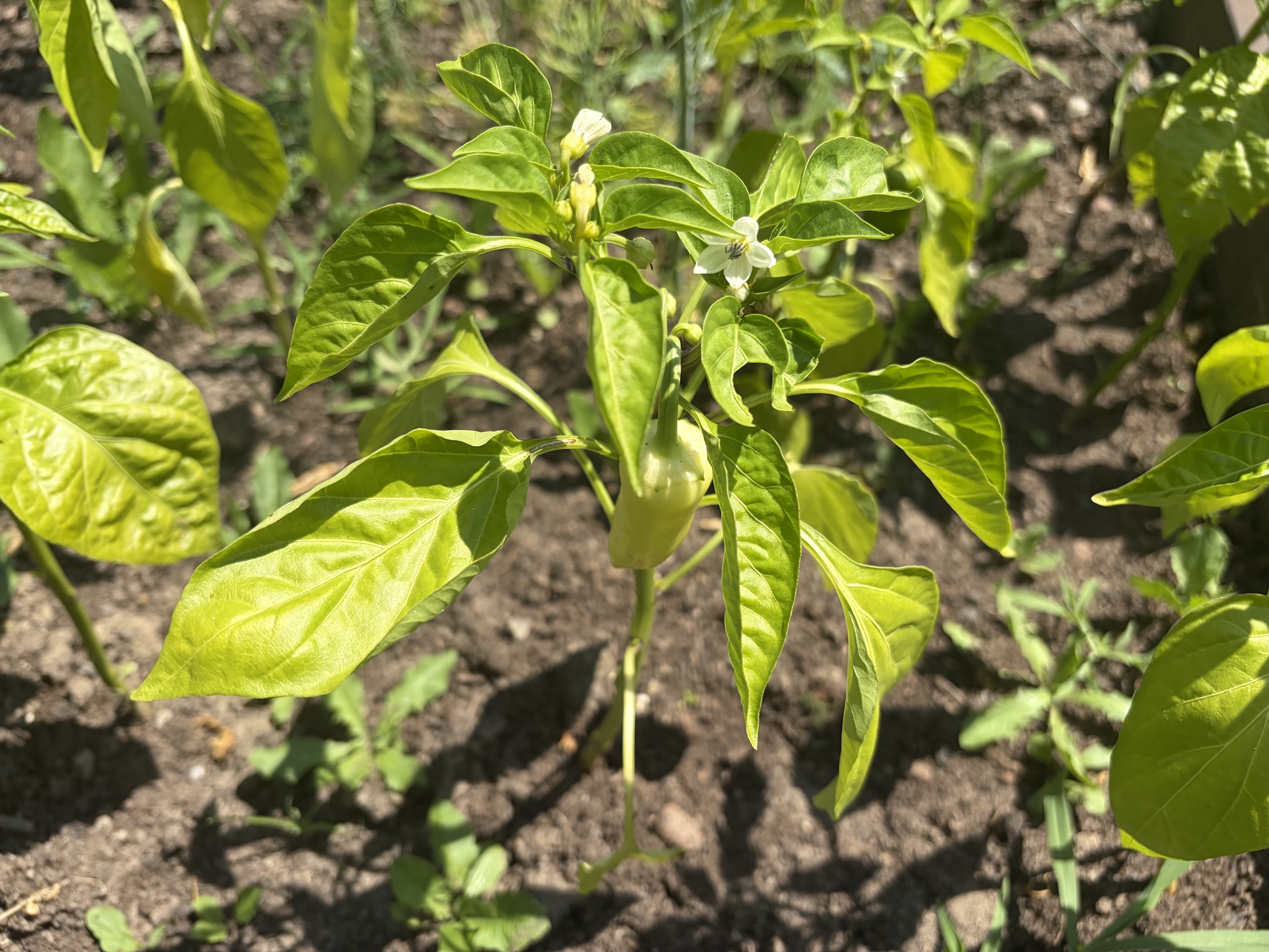
Bell peppers are undoubtedly a staple in almost every garden. They are an excellent crop that produces either classic sweet peppers or very hot ones. Growing bell peppers isn’t particularly difficult. However, it’s important to note that they are very sensitive plants. It often happens that they bloom quite profusely in late June and early July, yet the fruits appear only sporadically. Several factors are to blame, which we’ll examine in more detail below.
Temperature stress as a common cause of lack of fruit
Peppers literally love the heat. But they need it to be constant. Temperature fluctuations are a problem for them. When hot days alternate with cooler nights, the flowers begin to fall off. Furthermore, the pollen loses its viability. Thus, the peppers may bloom, but the flowers will not be fertilized. Peppers should be protected from nighttime cold and should not be allowed to overheat during the day.
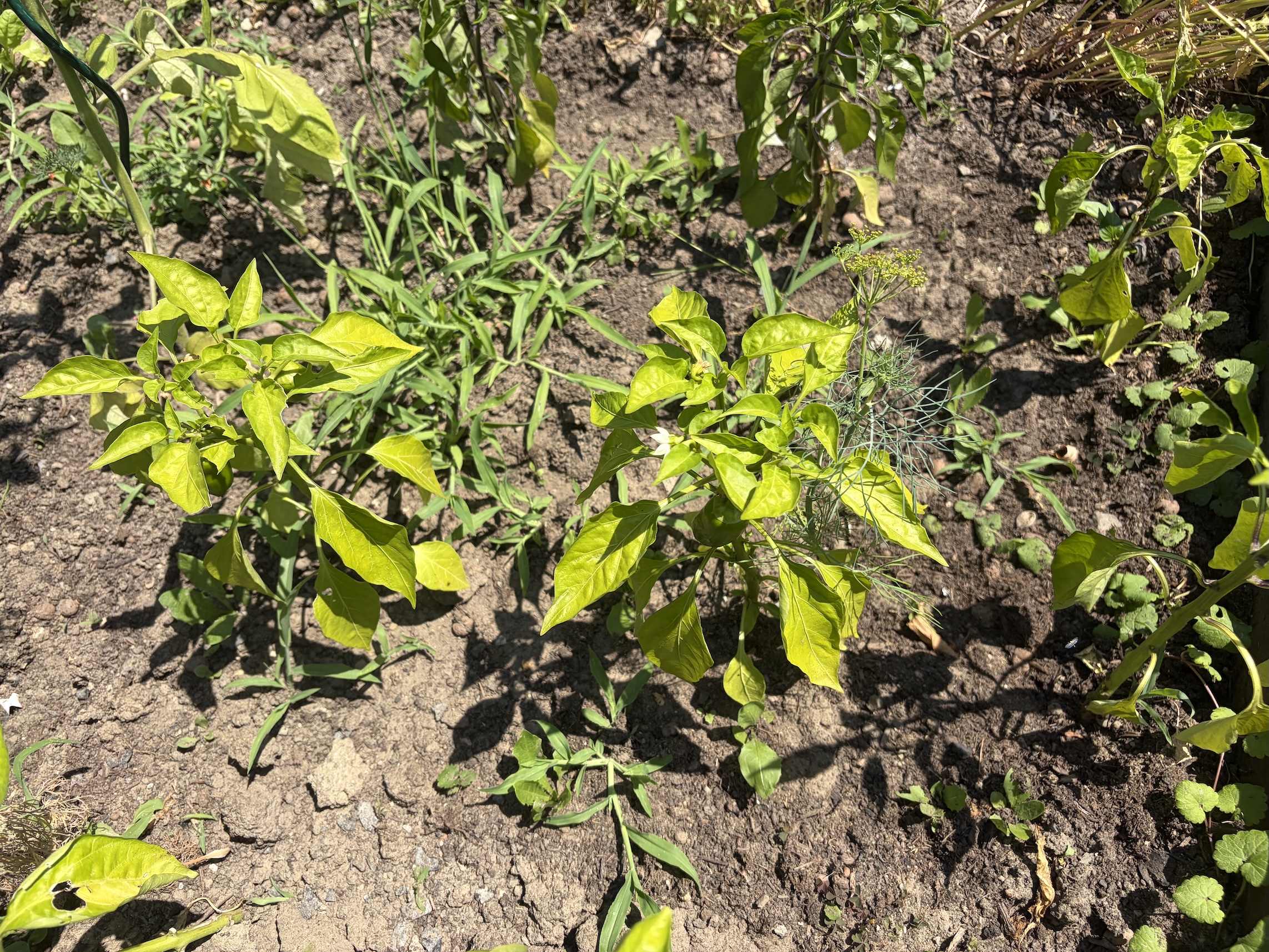
Photo: Radek Stepan
Beware of over-fertilizing peppers
An excess of nitrogen in the soil is also a problem for peppers. This happens when we simply over-fertilize them. We can tell by large leaves, irregular flowering, and very few fruits. We should fertilize peppers with potassium and phosphorus instead. They need these nutrients. In short, fertilization should be as balanced as possible.
Let the peppers grow
In June and July, it’s best to let the peppers grow. Forget about any pinching, pruning, transplanting, or other manipulation of the plants. You would cause them stress, which is certainly not what they need.
How to water properly?
Balanced watering of peppers is very important. In extreme drought, the plants lose their flowers; when overwatered, the roots become stressed. Irregular watering of peppers causes them to stop growing. In July, you should water less frequently, but thoroughly and deep down to the roots.
Sources: Author
Photo and photogallery: Radek Stepan



Gardening is my hobby, I have a lot of experience and I am happy to share it.


0 comments