
Homemade aphid repellent. All you need are ordinary tomato leaves

Summer temperatures are here, and many of our gardens are truly bursting with greenery. Perhaps more than that—many plants are blooming, and quite a few are even bearing fruit. Yet we also find that some plants aren’t exactly thriving. Pests often play a major role in this. Currently, we most commonly encounter slugs, and aphids are also very troublesome. Just a glance at curled young leaves tells the story. Getting rid of aphids isn’t easy. Plus, people simply don’t want to use chemicals. A homemade remedy is the ideal choice. We’ve prepared one ourselves, and it’s quite simple.
Tomato leaf spray
Tomatoes are already growing quite vigorously, and the plants definitely need tending. As usual, they’re pruned, and excess lower leaves are removed. These can then easily be used as part of an aphid spray. It costs us absolutely nothing, and we get a great remedy that kills only aphids and no other organisms. Tomatoes contain alkaloids that are released when the leaves are chopped. Preparing the spray is very simple. Anyone can do it without any trouble.
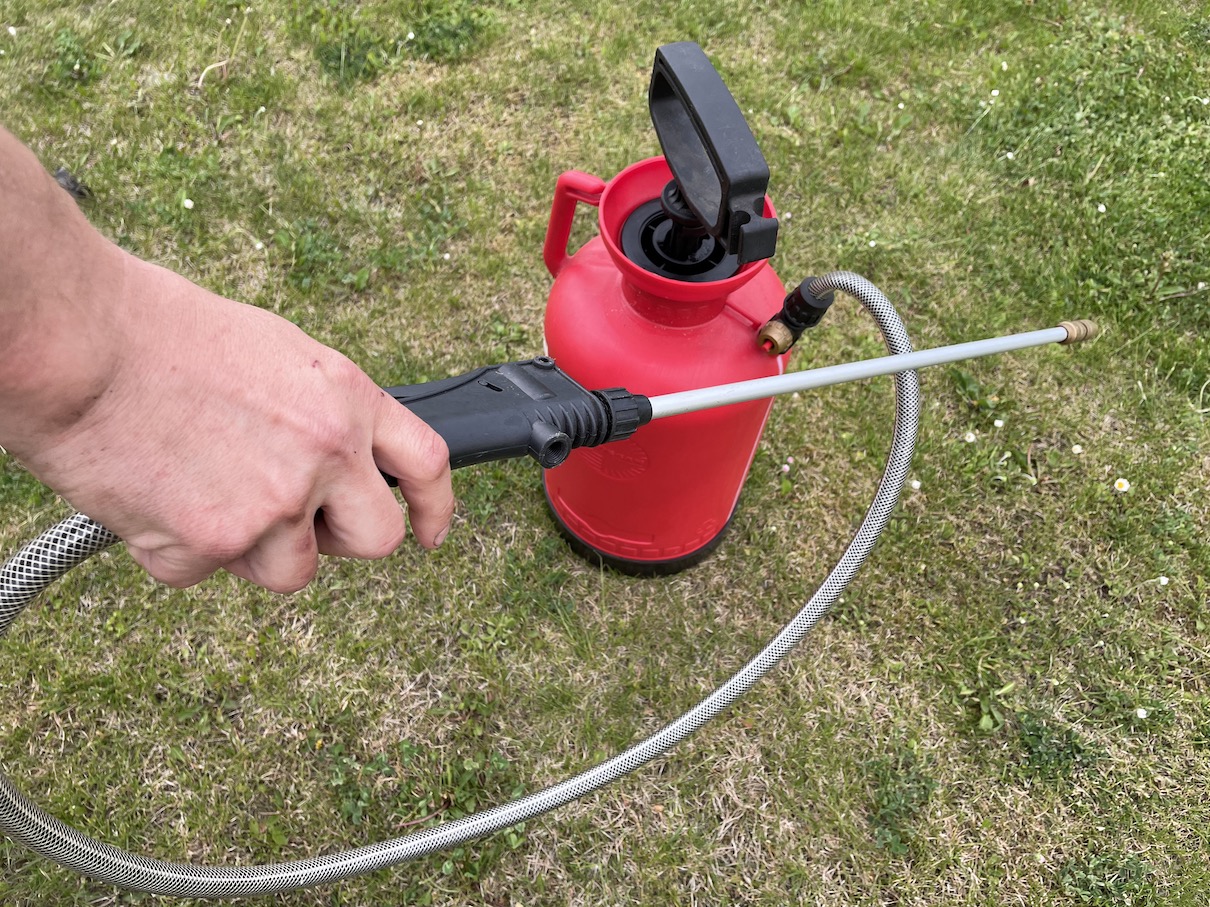
Photo: Pixabay
How to prepare an aphid spray from tomato leaves
Start by picking a few tomato leaves. Chop them up. You should end up with about two cups of chopped tomato leaves. Use the same amount of water. Mix both thoroughly and let the mixture sit overnight. Then strain the mixture and pour it into a spray bottle. Apply the spray to the entire plant infested with aphids. You need to spray the stems and their tips thoroughly. Spray the leaves from the underside, where most aphids are found.
Garlic-oil spray
We undoubtedly have garlic and oil at home as well. Both ingredients can be used to make an aphid spray. Garlic contains sulfur, which aphids really dislike. It also contains antibacterial and antifungal compounds. Finely grate the garlic or press it through a garlic press. You’ll need 4 cloves. Mix the pressed garlic with two teaspoons of oil. Let the mixture sit for a full day. Then strain it and add a teaspoon of liquid soap or dishwashing liquid. Dilute the mixture with water as needed and spray. You can adjust the strength of the mixture yourself. You can test it first on small leaves.
Sources: Author, Meta, tojenapad.sk
Photo: Pixabay



Gardening is my hobby, I have a lot of experience and I am happy to share it.





0 comments