
August harvest: How to preserve your harvest perfectly

We’re already halfway through the summer holidays and are bringing in a brilliant harvest from the garden. Both fruit and vegetables deserve the right care and proper storage – that is, if we don’t eat them straight away, which is ideal for some of them. We’ll take a brief look at various methods of preserving the harvest, whilst of course advising on the principles to follow to ensure everything turns out perfectly, just as we’d like.
The quickest method is to freeze the harvest
Undoubtedly. Various crops can be frozen. We should do this in portions, as this is the only way to make the most of everything in the freezer as we need it. It’s worth freezing the following without any preparation:
– tomatoes intended for sauces,
– berries,
– peppers,
– whole or finely chopped herbs.
Some crops are best lightly blanched. These include, in particular:
– courgettes,
– green beans
– and peas.
Drying as a relatively quick way of preserving the harvest
Drying is also an ideal method. The produce is then not too watery. The most commonly dried produce includes:
– tomatoes,
– herbs,
– apples,
– mushrooms.
Drying should be done either naturally on a mesh tray in the shade, or in a dehydrator. The drying temperature should not exceed 40 °C. The lower the temperature, the more vitamins and nutrients remain in the produce. Be careful when drying in the sun. This leads to a loss of vitamins and the proper flavour. Dried fruit should then be stored in a dry, dark place.
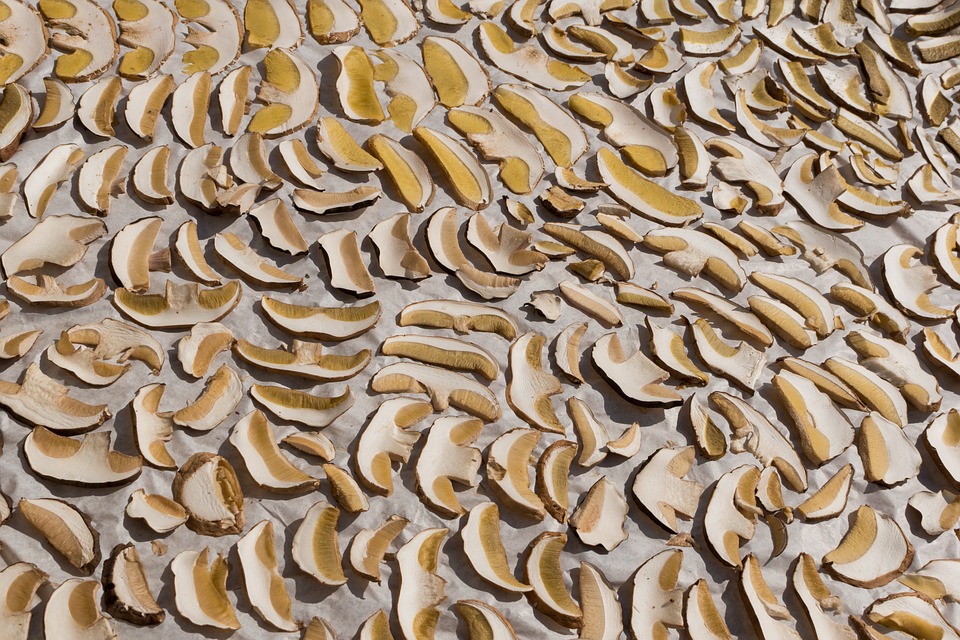
Photo: Pixabay
Fermentation: the latest trend
There is a lot of talk about fermentation at the moment. Fermentation is the perfect way to preserve a harvest. It is not complicated at all, and the following, for example, can be fermented:
– gherkins,
– courgettes,
– early cabbage,
– carrots,
– green beans,
– beetroot,
– and many other vegetables.
When fermenting, it is important to ensure maximum cleanliness and the correct salt content. The salt content should be around 2 to 3 per cent. Also make sure the vegetables are completely submerged in the brine. You can start tasting them after just a few days, which is a great advantage.
Tip: Homemade fermented gherkins are perfect. We’ve tried this method.
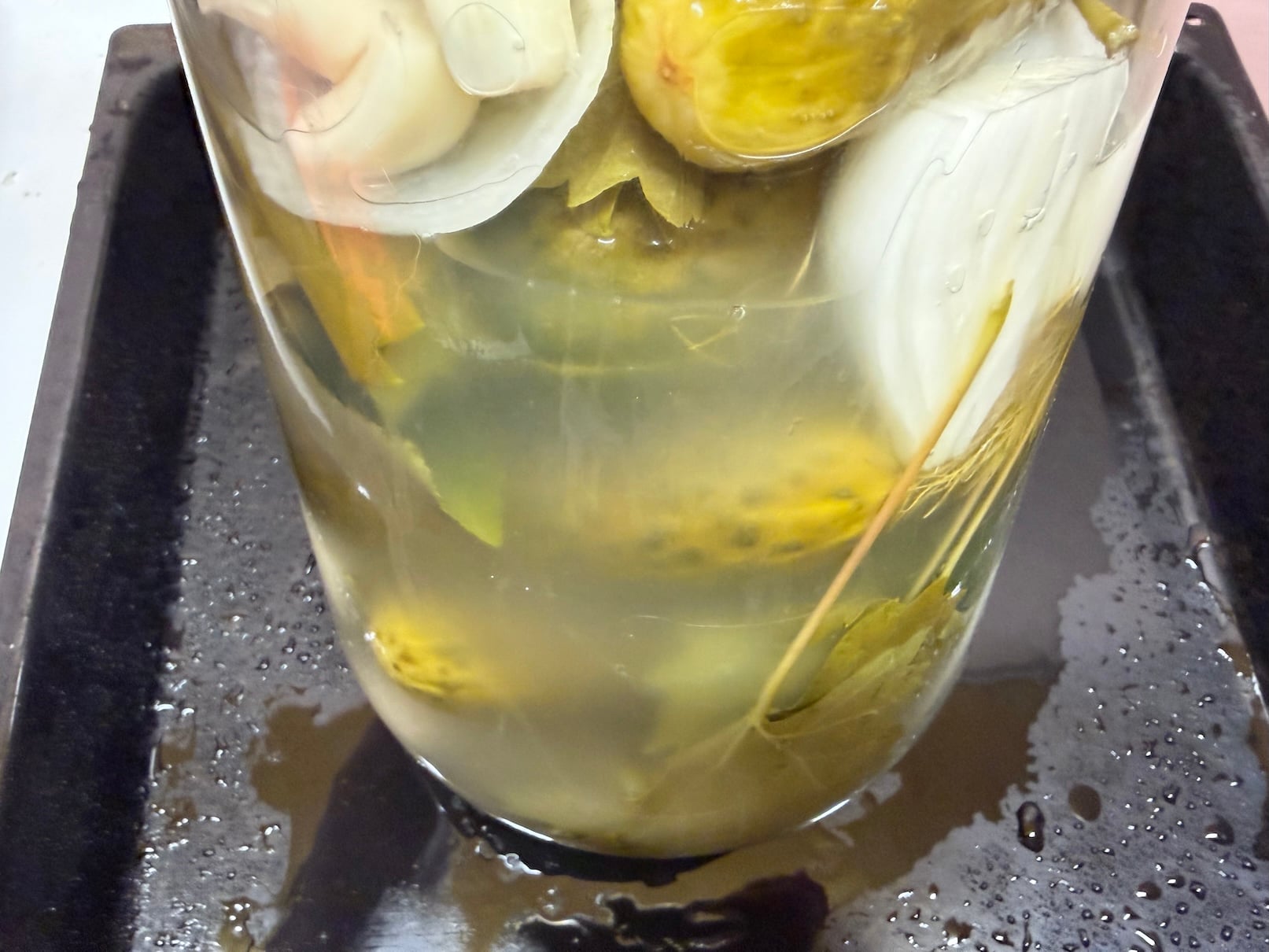
Photo: Radek Stepan
Sources: Author, Meta
Photo: Pixabay



Gardening is my hobby, I have a lot of experience and I am happy to share it.





0 comments