
Cabbage purslane: A summer herb we usually trample underfoot

You know how it is. When you’re clearing weeds from paving or a flowerbed, you show no mercy. Virtually all plants that aren’t the dominant species in a given flowerbed end up as garden waste and then in the organic waste bin. These may include various grasses, dandelions, clover and the like. However, we often dispose of many plants that are edible and work perfectly in salads or spreads. A typical example is purslane. This unassuming herb is well worth trying.
Purslane: an overlooked annual
Purslane is known in Latin as Portulaca oleracea. The name ‘portulák’ is derived from this. We also come across this name in many parts of our country. It is an annual plant that propagates wildly through self-seeding. So it’s quite possible that you’ll find lots of new plants appearing in your flowerbed or between the paving slabs. It often grows in the same places every year and isn’t bothered by drought. It even grows in southern Europe, where temperatures are much higher.
Tip: Growing herbs in a spiral stand. Nothing special.
How can you recognise the common purslane?
It’s relatively simple. It’s primarily recognisable by the shape of the plant itself. It grows as if from a single root, which, however, branches out immediately above the ground. The stems then creep along the ground. They are characterised by their reddish colour and the fact that they produce very fleshy leaves. These look like the leaves of a crassula plant, but in a much smaller form. Purslane is also distinguished by its typical small, round, yellow flowers, though these usually only appear now, in August.
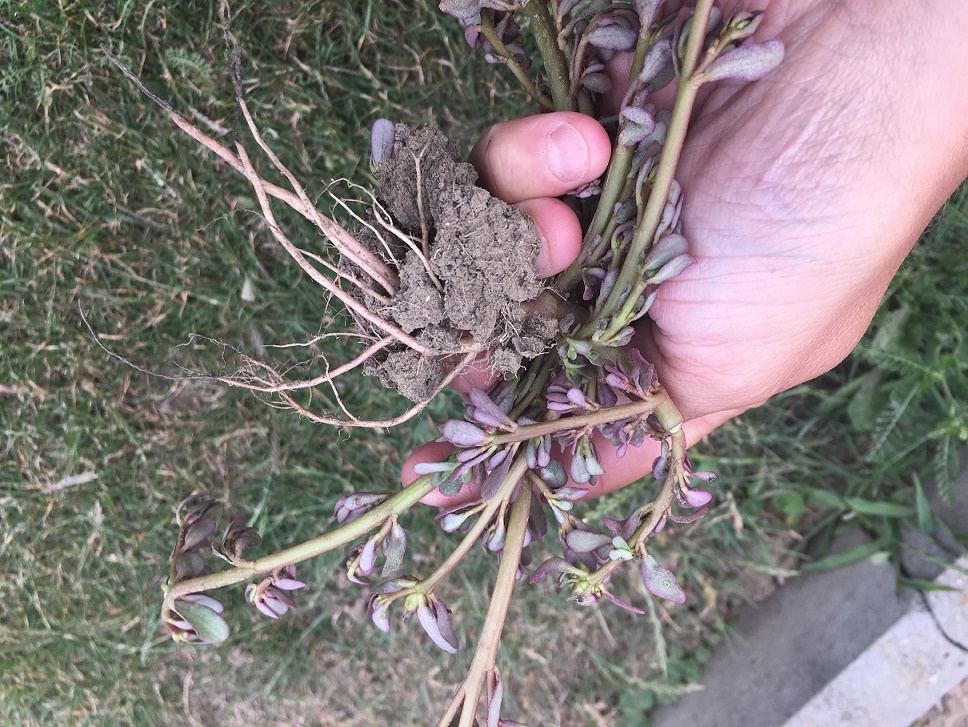
Purslane: Photo by Radek Štěpán
It is best to harvest them when they are not in flower
That’s right. You should really be picking the leaves of the young plants. The stems themselves can also be eaten. They have a mildly sour taste and contain quite a lot of mucilaginous substances. As for the flavour, it is similar to that of cucumbers.
Uses of purslane
It’s particularly excellent in salads, though traditionally a decoction is also made from this plant. The young leaves can also be sprinkled over bread and butter, much like chives.
Sources: Author, Meta
Purslane: Preview photo by Radek Štěpán



Gardening is my hobby, I have a lot of experience and I am happy to share it.


0 comments