
Gardener: We unwittingly attract pests to our gardens ourselves

Spring is associated with plenty of gardening activities. Above all, however, it brings us the joy of sowing and planting. The plants grow in the garden, and we’re slowly starting to see beautiful flowers and fruits. Yet various pests can ruin not only the start of the gardening season for us. Unfortunately, there are more than enough of them. When I thought about the situation, I realized that we often attract them to our gardens ourselves. My friend confirmed the same thing to me; I discussed this theory—which I had read about in old books and partly on social media—with him. So how exactly do we invite pests into our garden beds?
Aphids love nitrogen and imbalances in nature
We definitely have to start with aphids. They are now appearing quite abundantly on shrubs, small trees, and plants. They are pests that literally thrive on fast-growing plants or soft leaves. Take a look and see where they are. They are most often found at the tips of branches on small new leaves. They also love fast-growing weeds like chickweed. But with this weed, it doesn’t really matter. Aphids immediately recognize soils that are over-fertilized. These contain plenty of nitrogen. Over-fertilized peppers, tomatoes, or roses, for example, are excellent targets for them. They also love the aforementioned young shoots of fruit trees.
Slugs thrive in dampness and hiding spots
We attract slugs to thick mulch, into which very little air penetrates. Damp nooks, old planks, and stones. These, along with overly wet soil, are the places slugs love. They thrive in a shaded and poorly aerated garden. If we change the conditions, they usually disappear. Watering in the morning instead of the evening is ideal. Limit unnecessary hiding spots, aerate the soil, and you’re set.
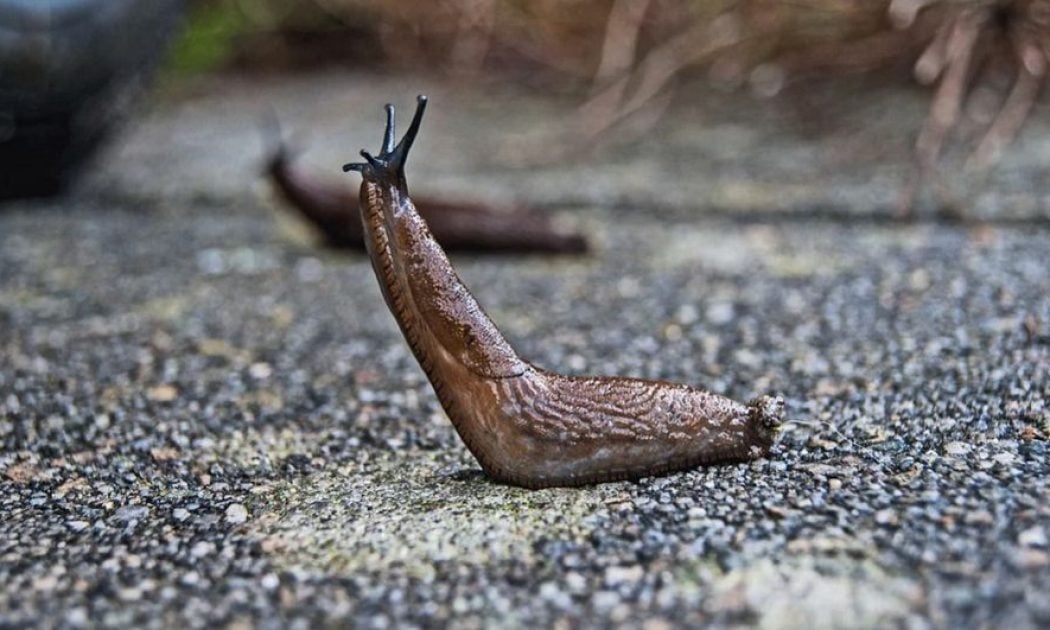 Photo: Pixabay
An overpopulation of caterpillars indicates a decline in natural predators
Sure, caterpillars are common in gardens. But if they overpopulate, it means we’re missing natural predators—like wasps, ladybugs, lacewings, or birds. Unfortunately, sterile gardens full of all sorts of chemicals tend to be just that. Chemicals usually kill off those very natural predators.
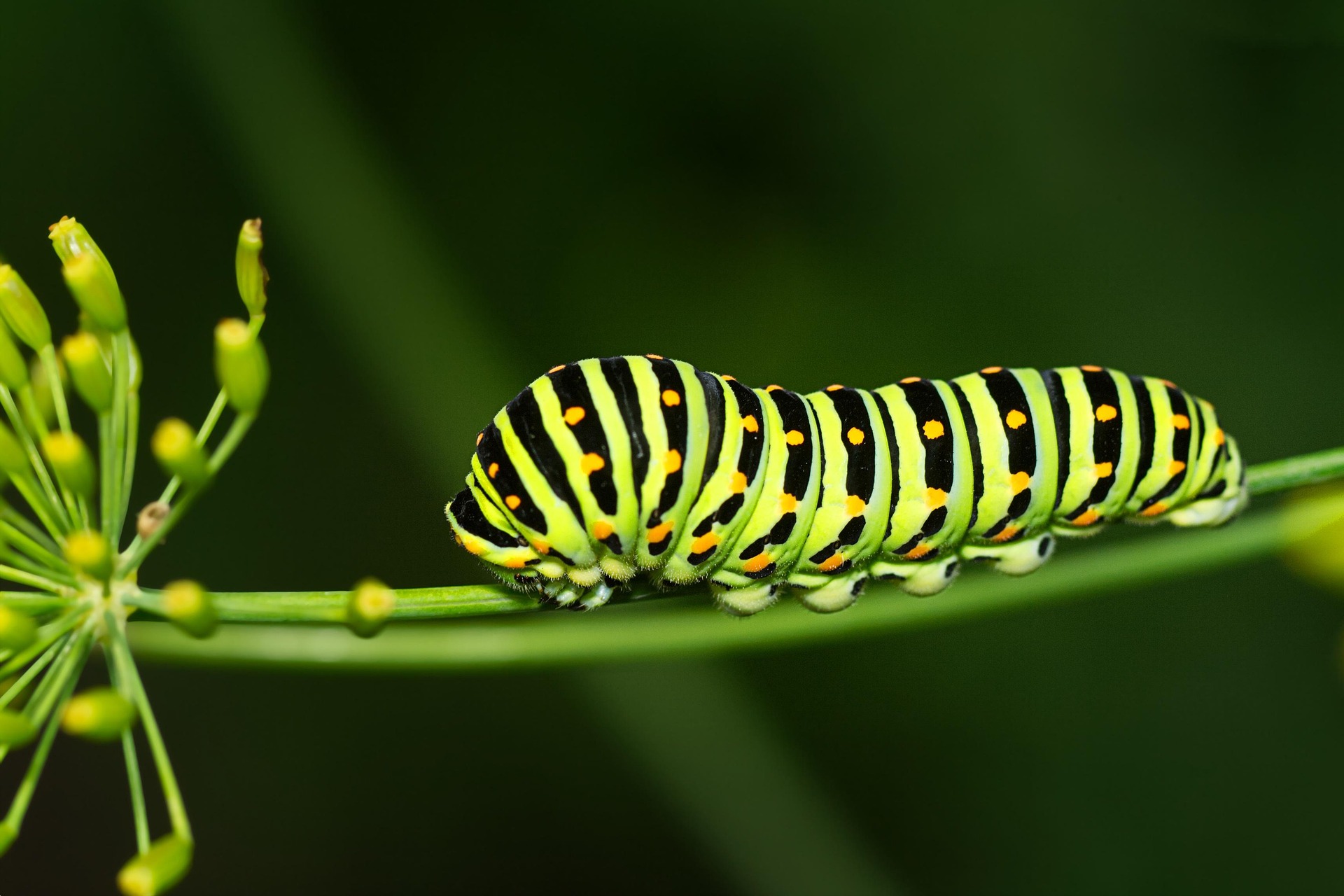 Photo: Pixabay
Pests are a symptom, and chemicals won’t help
We certainly shouldn’t be asking what we should spray in the garden. It’s much more important to understand what the garden is actually telling us through the presence of pests. Only then should we take action.
FAQ – Frequently asked questions about garden pests
Where do aphids appear most often?
On fast-growing plants and on young tree leaves.
Why do caterpillars overpopulate?
Because natural predators are often missing.
Are pesticides necessary?
Not necessarily; the important thing is to identify the cause of the pest infestation.
Sources: Author, Meta
Photo: Pixabay


Gardening is my hobby, I have a lot of experience and I am happy to share it.


0 comments