
November is the time to dig up flower beds. The green parts must go underground

Winter is fast approaching, and it’s a good idea to take care of any remaining tasks in the garden. Classic tasks include tying up ornamental grasses, emptying water containers, and digging up flower beds. Some people prefer to leave the garden beds to their own devices and wait until the next season to tend to them, but that’s a shame. Digging garden beds has long been considered a matter of course, and our ancestors knew very well why they did it.
Loosening the soil pays off
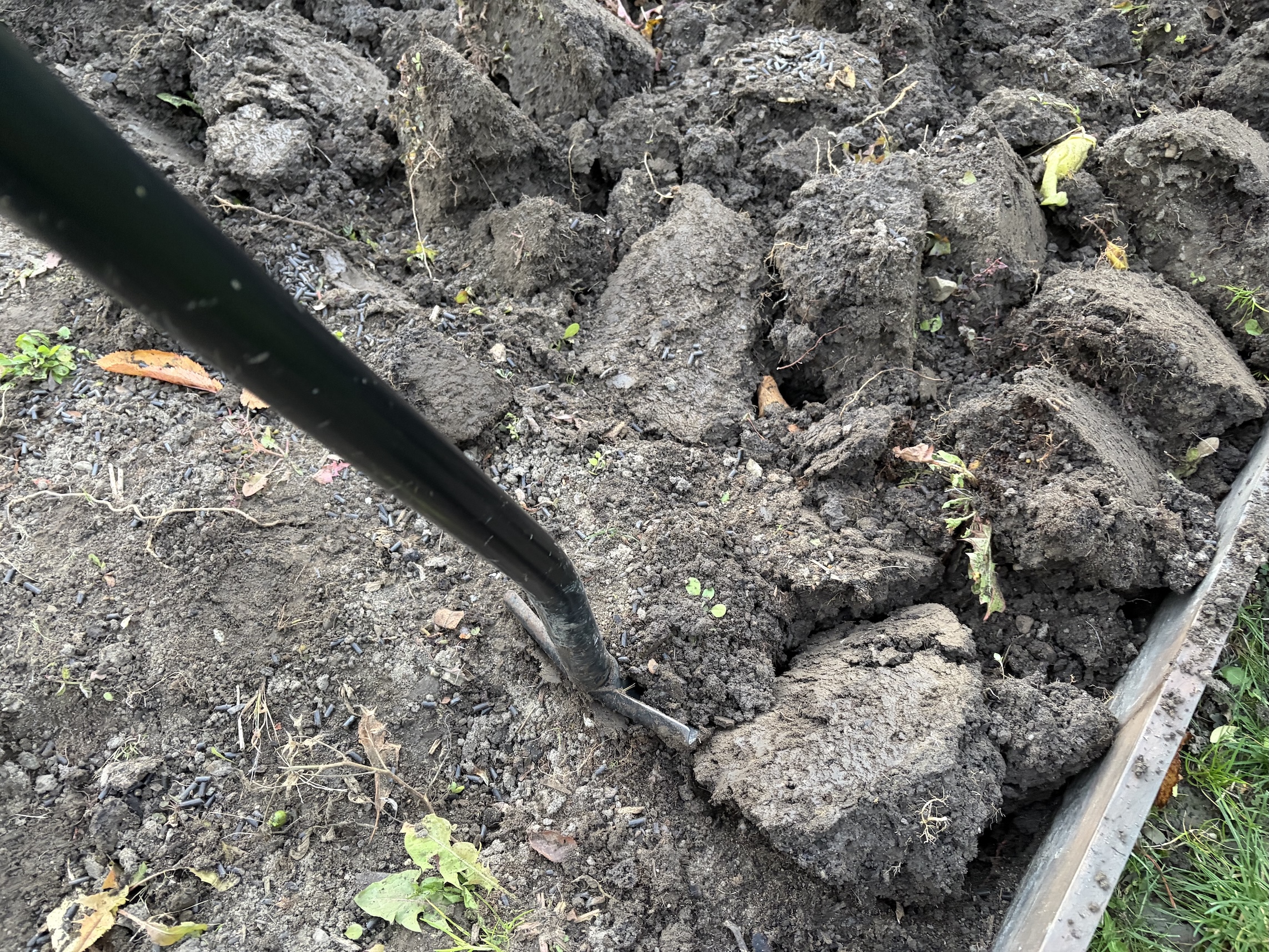
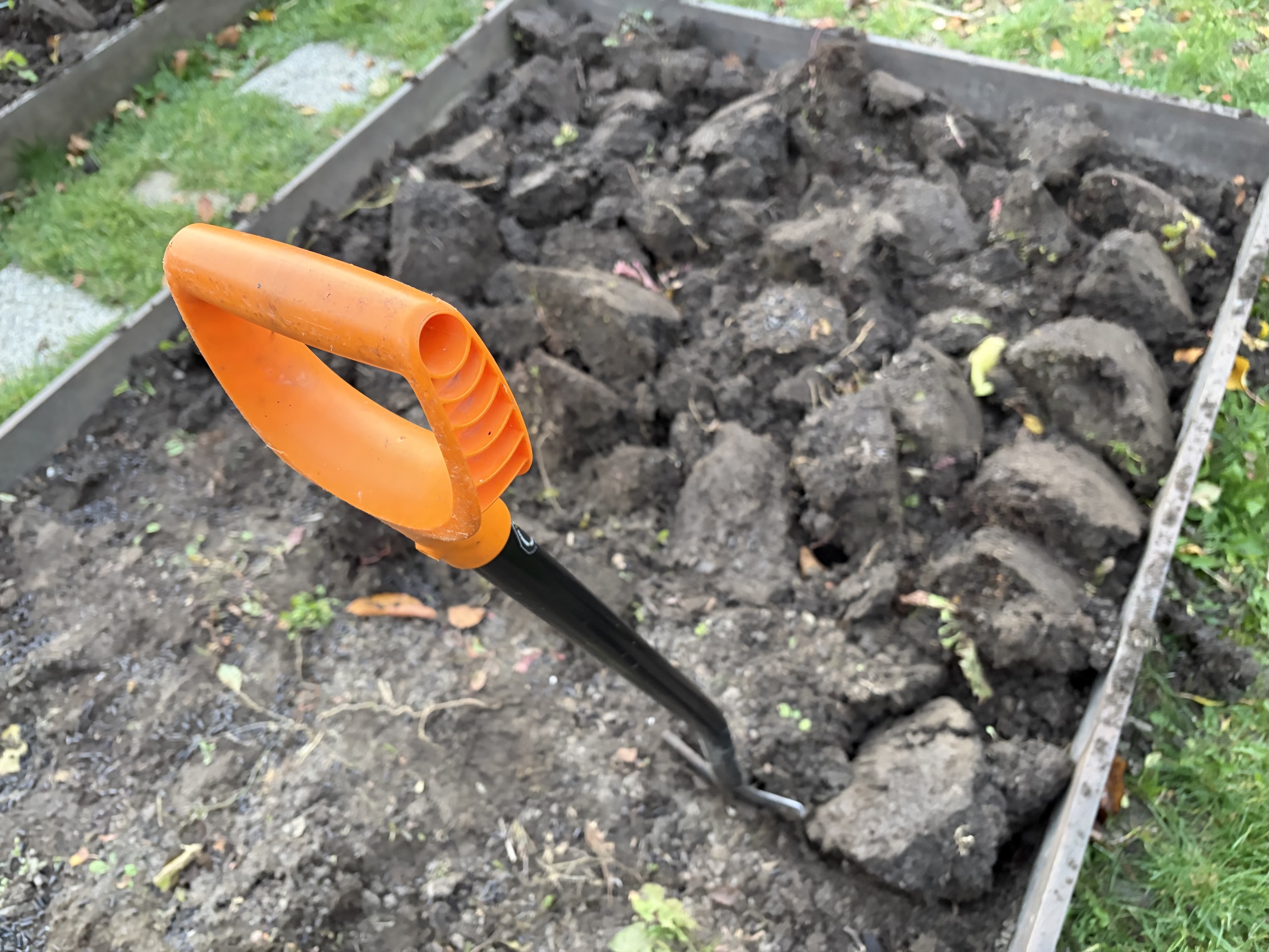
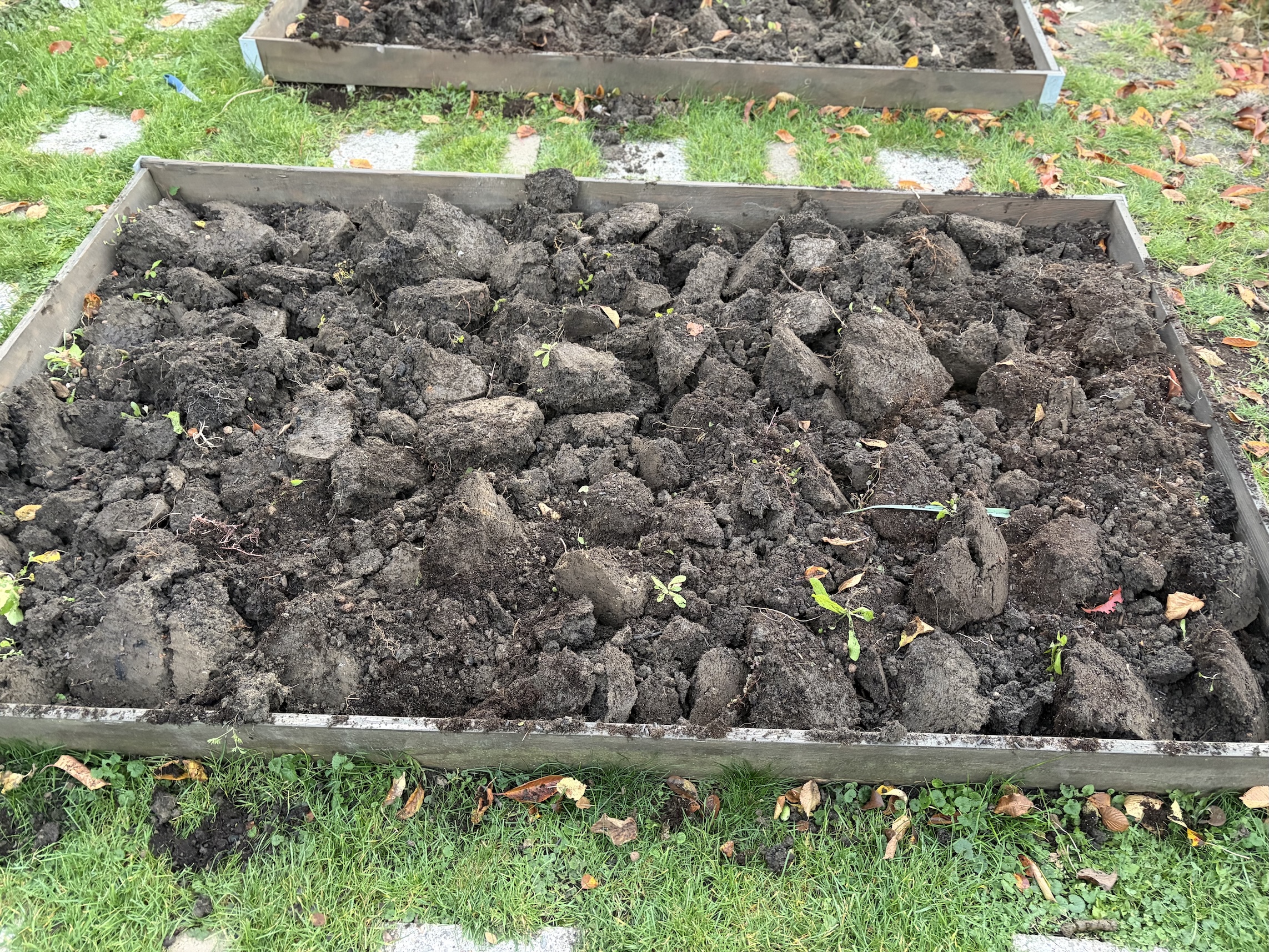
In any case. When you look at the soil structure while digging, it tends to be quite clumpy. Over time, however, the soil begins to break down, which is, of course, what we want. A major advantage of digging is undoubtedly the fact that working the garden bed in the spring will be very easy. The soil will crumble perfectly, and we’ll be able to level the surface very easily so we can sow or plant all kinds of crops.
Tip: Fall fertilization of fruit trees. Go with organic fertilizers.
Fertilizing is a good idea
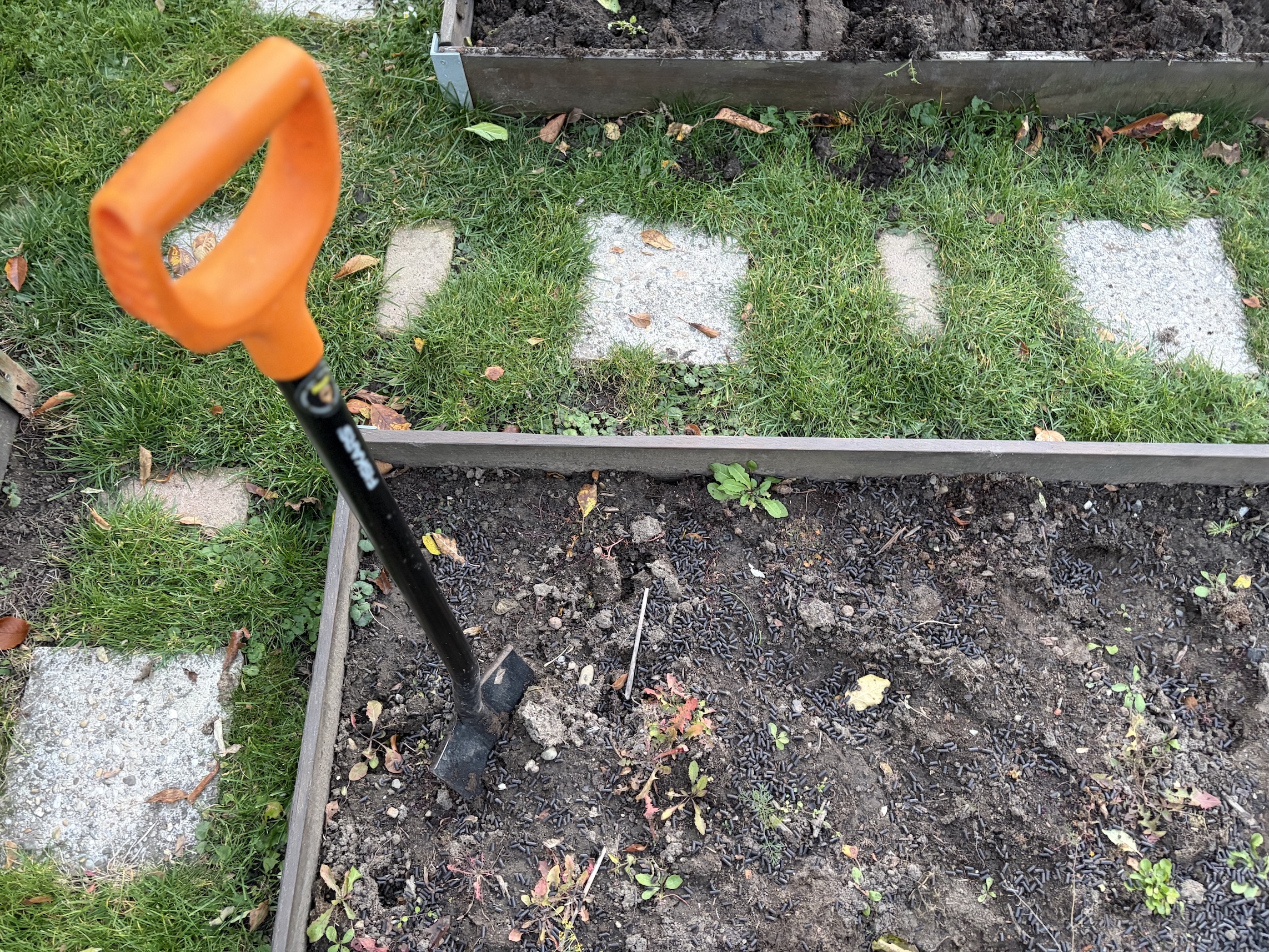
It’s a good idea to fertilize the garden beds before digging. Cow or horse manure is traditionally used. Given the small size of our garden bed, we use granulated barnyard manure. It’s also very easy to work into the soil while digging. We simply spread the granulated barnyard manure over the bed and then work it in so that it gets beneath the surface. Over the course of the winter, it will fully permeate the soil, and our bed will be fertilized.
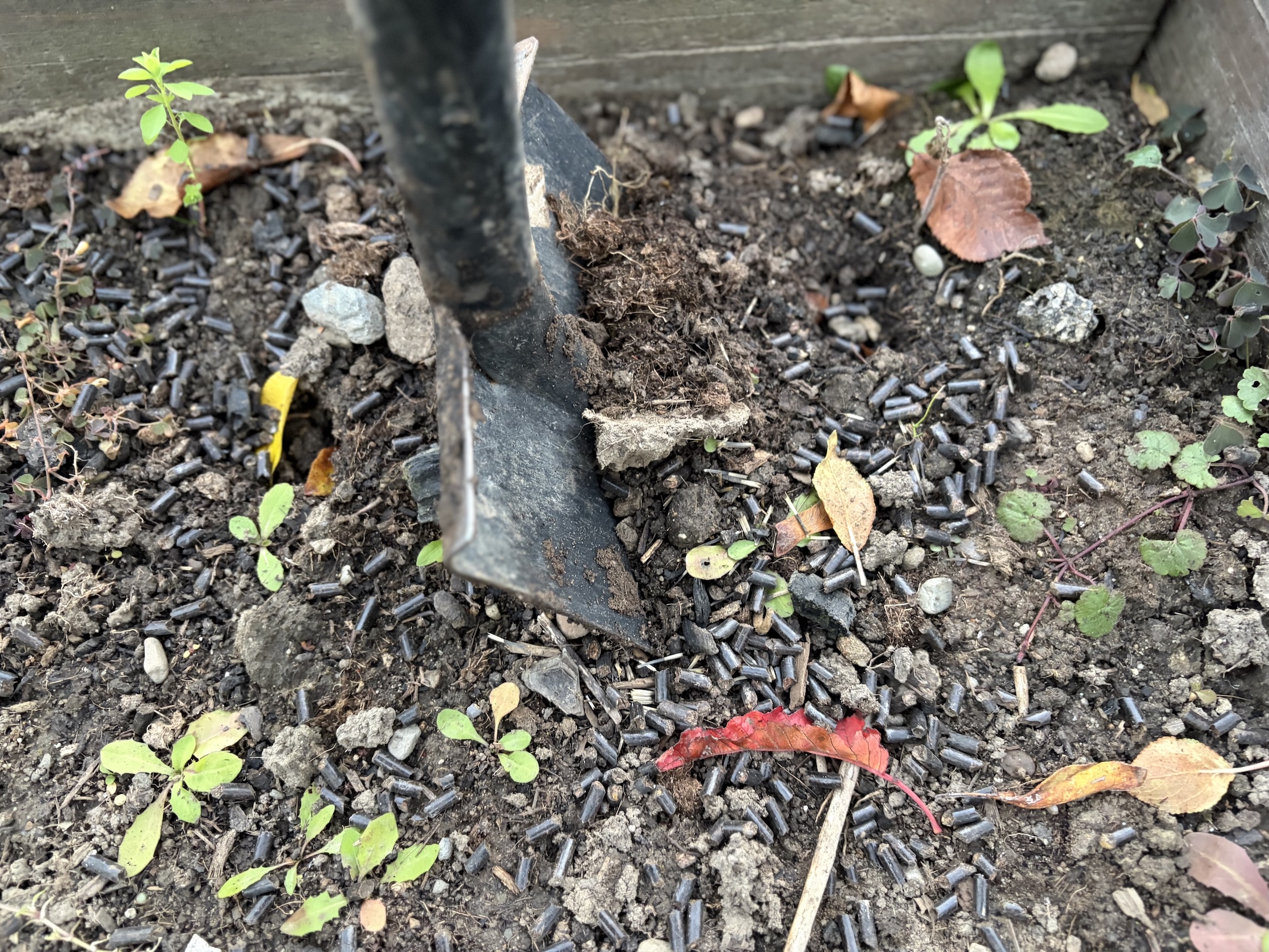
Photo: Radek Stepan
How to dig a garden bed properly
Nothing could be simpler. We usually work in rows, digging to the length of the spade. The soil is lifted and then turned over so that all green plant matter remains beneath the surface. In a properly dug garden bed, you shouldn’t see any green plant matter at all. Some weeds will continue to grow until winter, but that doesn’t matter at all. We’ll remove them anyway in the spring before sowing. The garden bed will then look picture-perfect.
Source: Author
Photo and photogallery: Radek Stepan


Gardening is my hobby, I have a lot of experience and I am happy to share it.


0 comments