
Have you harvested your potatoes yet? Let the hens loose on the plot – they’ll help

Do you know what can cause the most damage to a potato crop? Yes, you’ve undoubtedly got it right. It’s the wireworm. This troublesome pest is a real threat. Even if a particular tuber looks perfectly fine on the outside, it’s riddled with tunnels on the inside, and there really are a lot of wireworm tunnels. A wireworm is the larva of the click beetle. These larvae can easily survive in the soil for several years. They seek out roots, sprouting seeds and, of course, tubers. It is quite easy to get rid of wireworms. Simply let some hens loose in the flowerbed.
Where do wireworms thrive best?
The greatest risk of wireworm infestation is, of course, in areas that are heavily overgrown with various plants, particularly weeds. They specifically seek out areas with tall vegetation, where the soil is somewhat damp. This is where they lay their eggs, and in considerable numbers. Autumn tidying of flowerbeds must therefore be thorough. The main problem is that wireworms cannot be found anywhere other than in tubers and in the soil. But hens can handle it.
Hens as ideal larvae collectors
Collecting larvae from the soil by hand alone is extremely difficult. In fact, it’s practically impossible. Hens are far more effective in this respect. They have a natural way of scratching that enables them to do just that. They are able to extract insect larvae, various pupae, beetles and other insects from the topsoil. Naturally, the greatest benefit of using hens is immediately after harvesting a particular vegetable, as the hens themselves can no longer cause any further damage.
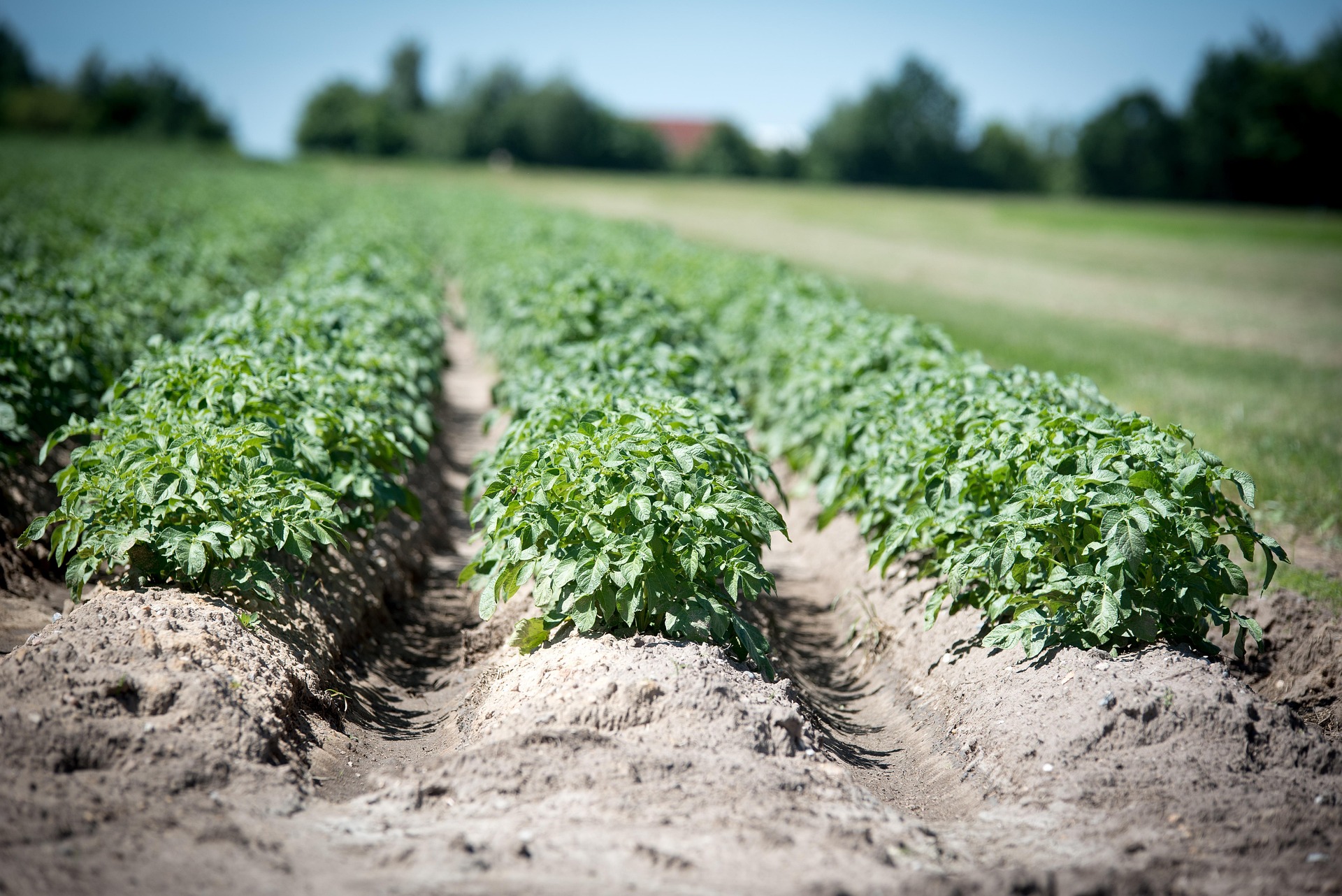
Photo: Pixabay
When should you let the hens onto the vegetable patch?
After the harvest, once you’ve managed to harvest and store all the potato tubers. The bed must be empty of any other plants, ideally including weeds. It’s also worth lightly loosening the soil with a hoe or a pitchfork. If the area is larger, it’s a good idea to create a pen for the hens and gradually move it to areas where the hens haven’t been yet.
Tip: Potatoes can also be grown in a sack. It’s nothing complicated.
Chickens alone may not be enough: further measures against wireworms
Wireworms need to be weakened by more than just the chickens’ presence. Ideally, after the chickens have been there, lightly loosen the soil in the bed and then let it become overgrown with weeds. This disrupts the environment in which the larvae survive. Crop rotation is also important. Potatoes or root vegetables should not be planted in the same bed again.
Sources: Author, Meta
Photo: Pixabay


Gardening is my hobby, I have a lot of experience and I am happy to share it.


0 comments