The top of the tomato plant needs to be removed. The reason is clear

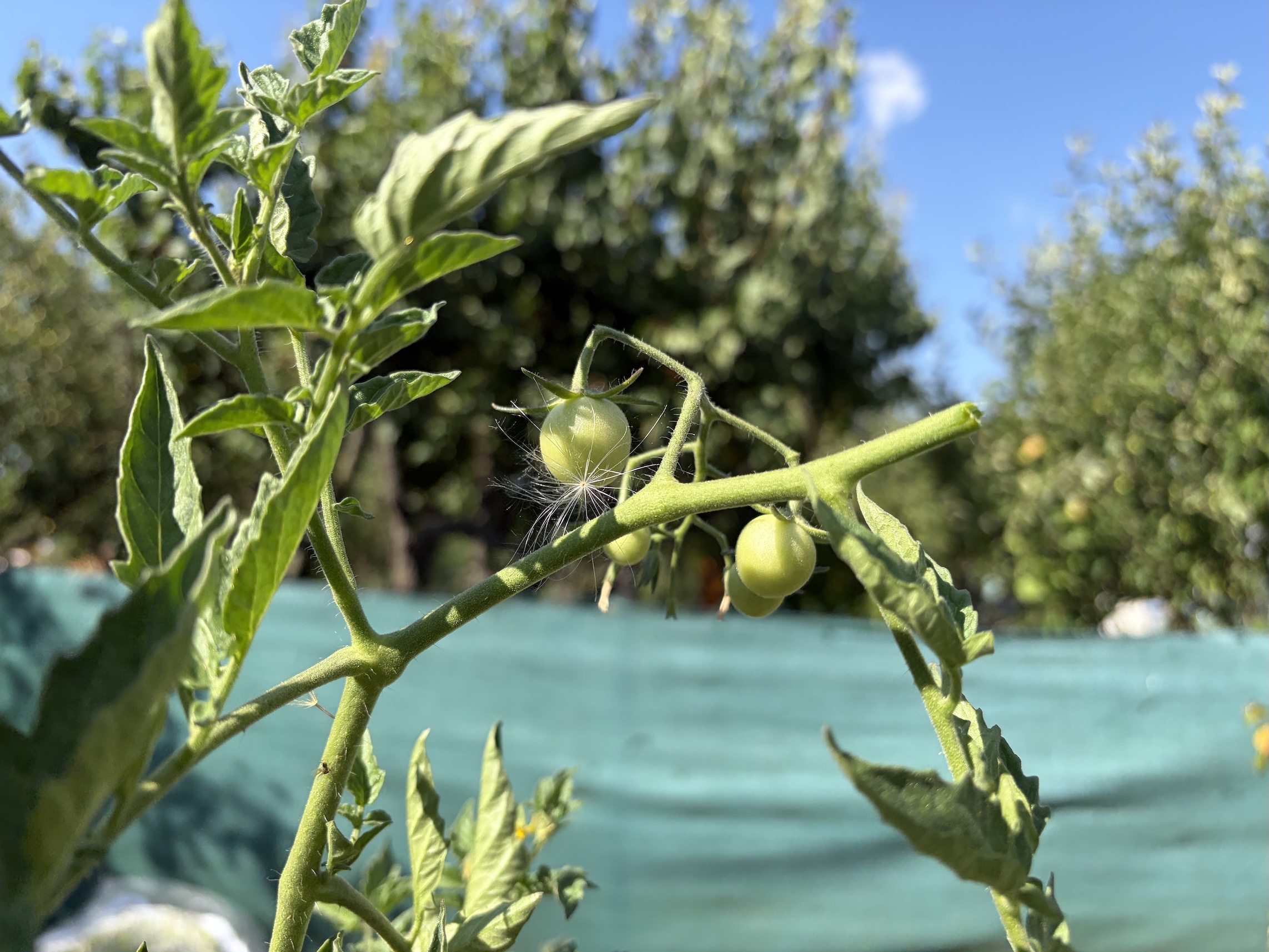
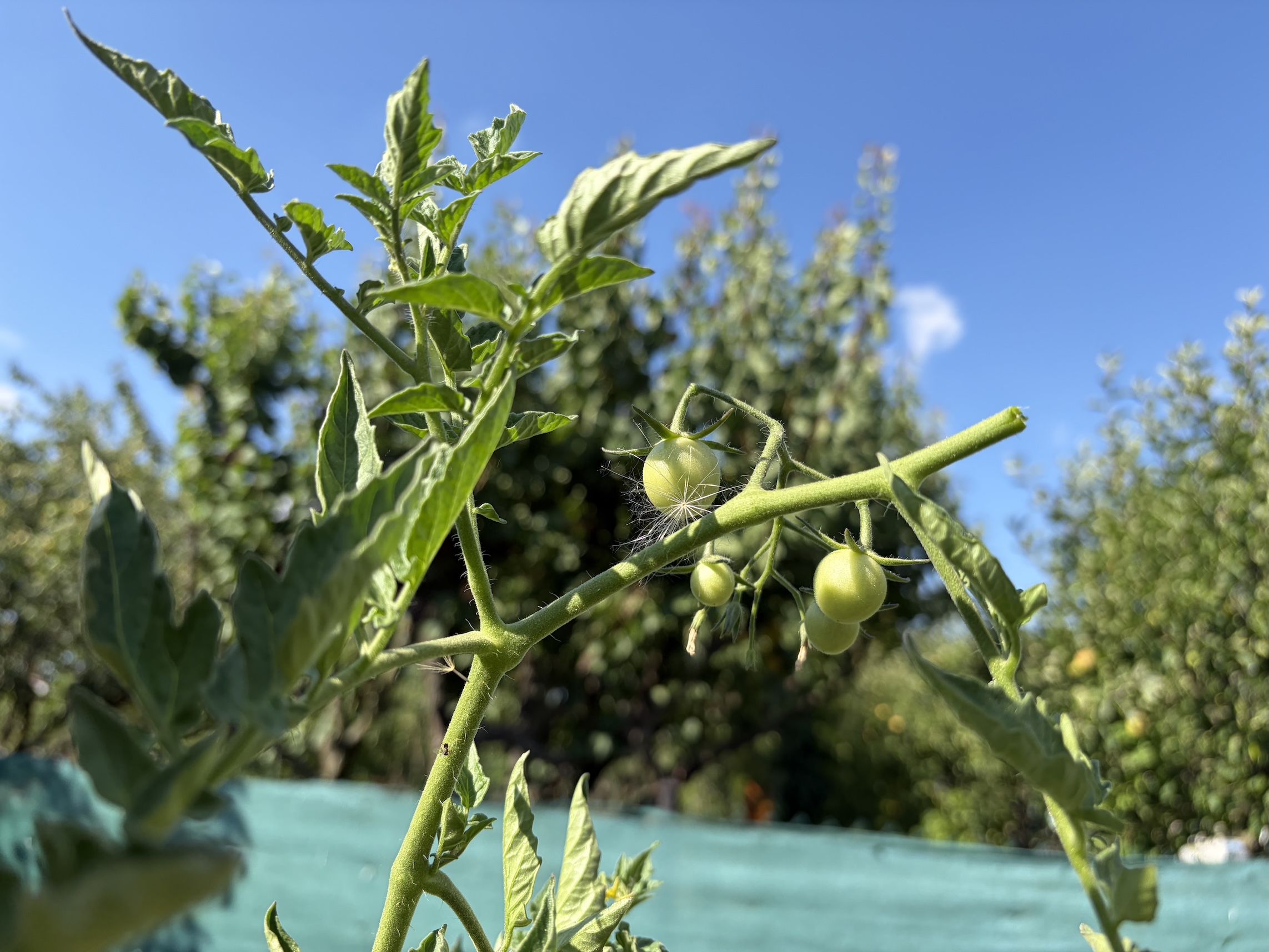
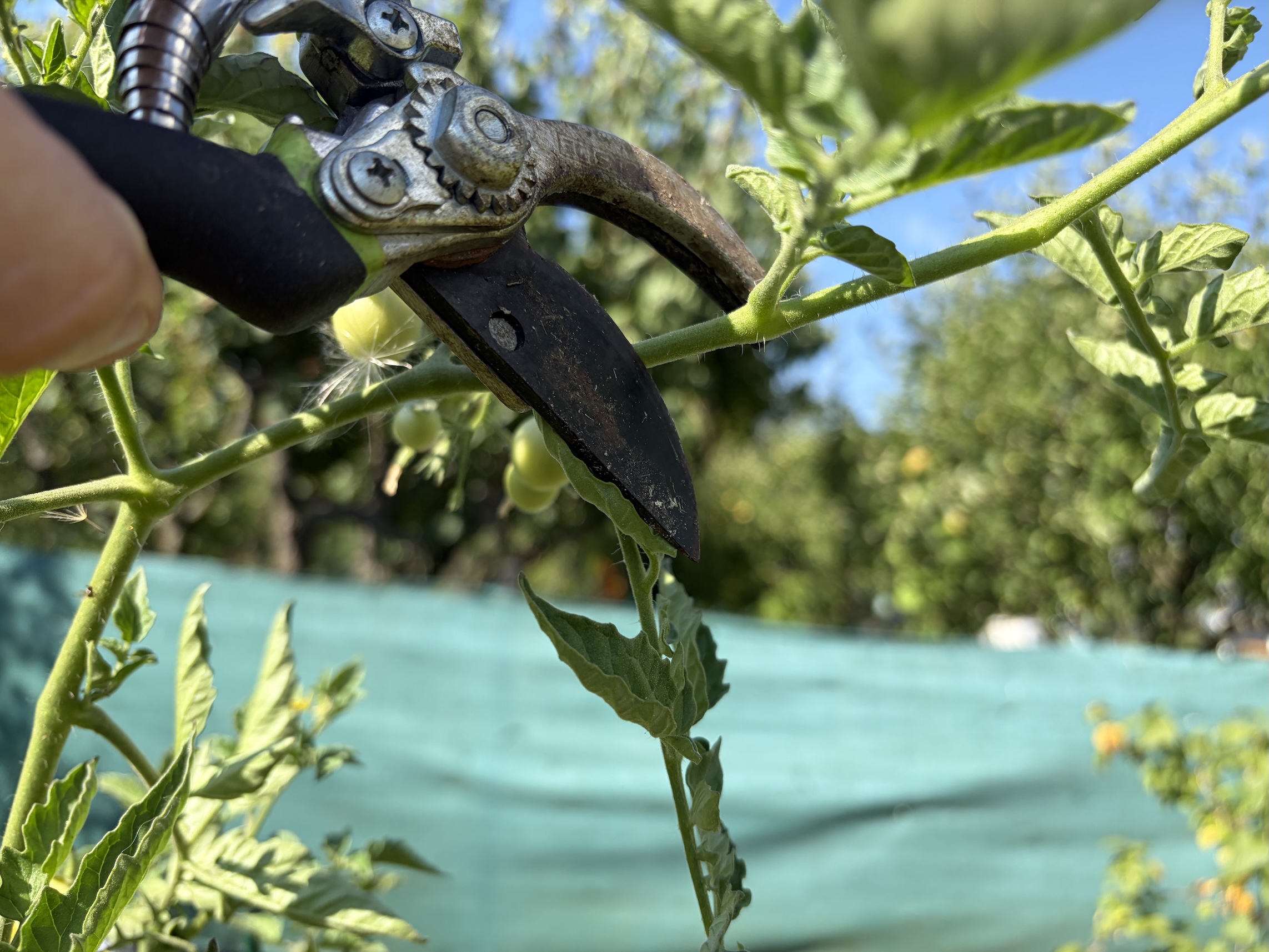
Tomato season is in full swing and many of us are already harvesting plenty of sweet tomatoes of various sizes, shapes and colours. If we take a look at tomato plants, we’ll see that many of them can produce plenty more side shoots, as well as flowers and fruit. However, there can be too many of these on a single plant, and many of them may not ripen. This is one reason why experienced growers take a very simple approach. Quite simply, at the right time, they remove the top of the plant. All the energy is then channelled into the fruit, which is ideal.
Why prune tomato plants?
As mentioned above, pruning the top of the main stem stops the plant from producing new flowers and fruit, channelling its energy into the existing ones. These ripen more quickly and taste excellent. They are also usually larger.
When should you prune the main stem?
Determining the right time to pinch back tomatoes is quite tricky. It should be done approximately 6 to 8 weeks before the arrival of cooler autumn nights. For traditional stake-grown tomato varieties, pinching back is done now, in the middle of the summer holidays. This can be done until around mid-August. Although tomatoes are still producing flowers and fruit at the end of August, these would certainly not ripen.
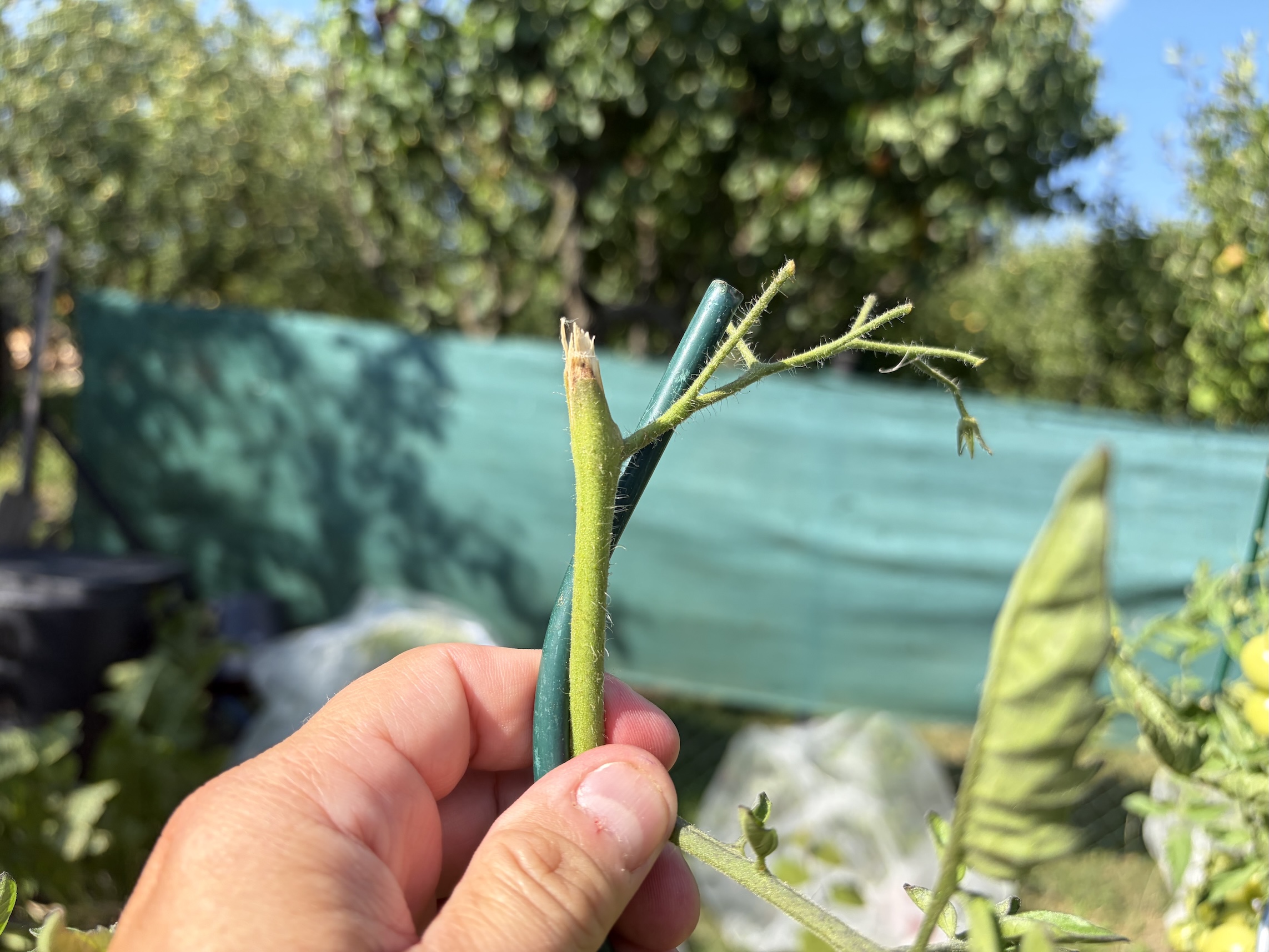
Photo: Radek Stepan
How should you prune the plant correctly?
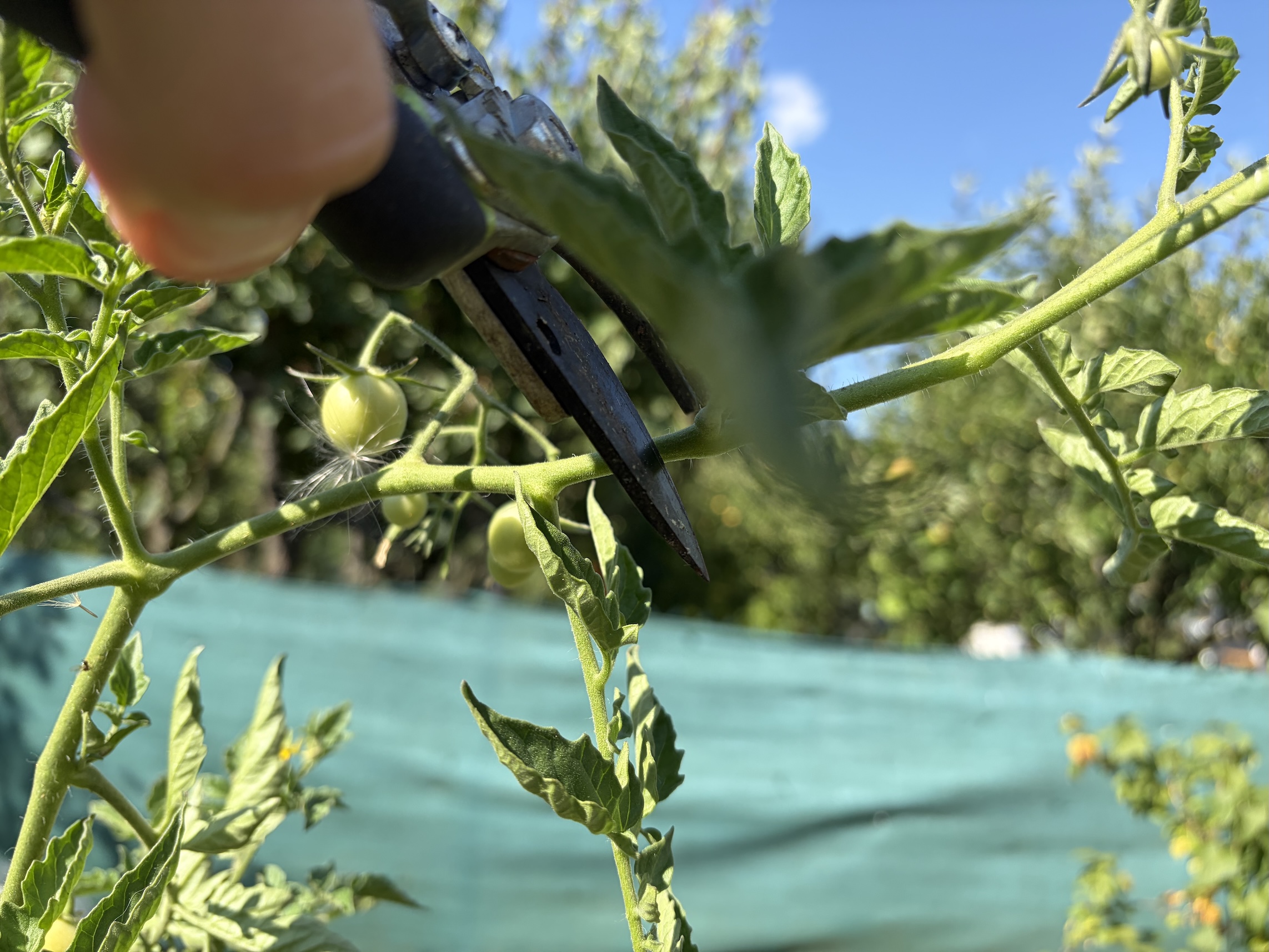
It’s not at all difficult and can be done in a matter of seconds. Traditionally, you prune just above the last flower cluster, leaving roughly two leaves. These will continue to nourish the existing fruit. It’s best to remove the growing tip with secateurs. Doing it by hand isn’t so easy, as the top of the plant is usually quite stiff. You should prune the plant in dry weather so that the wound heals as quickly as possible.
Tip: Pruning tomatoes should be second nature. The technique is simple.
Topping brings further benefits
As well as the already mentioned higher-quality and faster fruiting of the plants, it is also worth noting that it reduces the density of the foliage. Air circulates much better around the plant. To a certain extent, this reduces the risk of mould. This is a relatively common and unpleasant problem with tomatoes.
Sources: Author – grower
Photo and photogallery: Radek Stepan



Gardening is my hobby, I have a lot of experience and I am happy to share it.


0 comments