
Burn them immediately! Tick eggs don’t belong in the garden

Were you cleaning out your compost pile or another part of your garden when you noticed a small cluster of black or brown balls? It’s nothing out of the ordinary. Maybe you’ve found something like this before and didn’t think much of it. You definitely should have. That’s why, in the following paragraphs, we’ll focus on what tick eggs look like. We’ll also include some interesting information about ticks and how to effectively get rid of them from your garden. There are quite a few alternatives.
How to identify tick eggs?
Tick eggs represent the first stage of these creatures’ entire life cycle. That’s precisely why we should always identify them and dispose of them quickly. They look like tiny balls that can be white, beige, or light brown in color. They typically cluster together in larger groups. There may be several dozen, or even hundreds.
Tip: These plants will drive ticks out of your garden.
Where are tick eggs most commonly found
They are typically hidden in leaf litter, for example. This can be either directly on the ground under trees or in compost. Other organic waste is no exception, and these eggs can also be found in grass. It is possible to spot the eggs with the naked eye, though it is a rather difficult task. That’s because they’re minuscule. If you find a tick in your garden, expect to find eggs nearby as well.
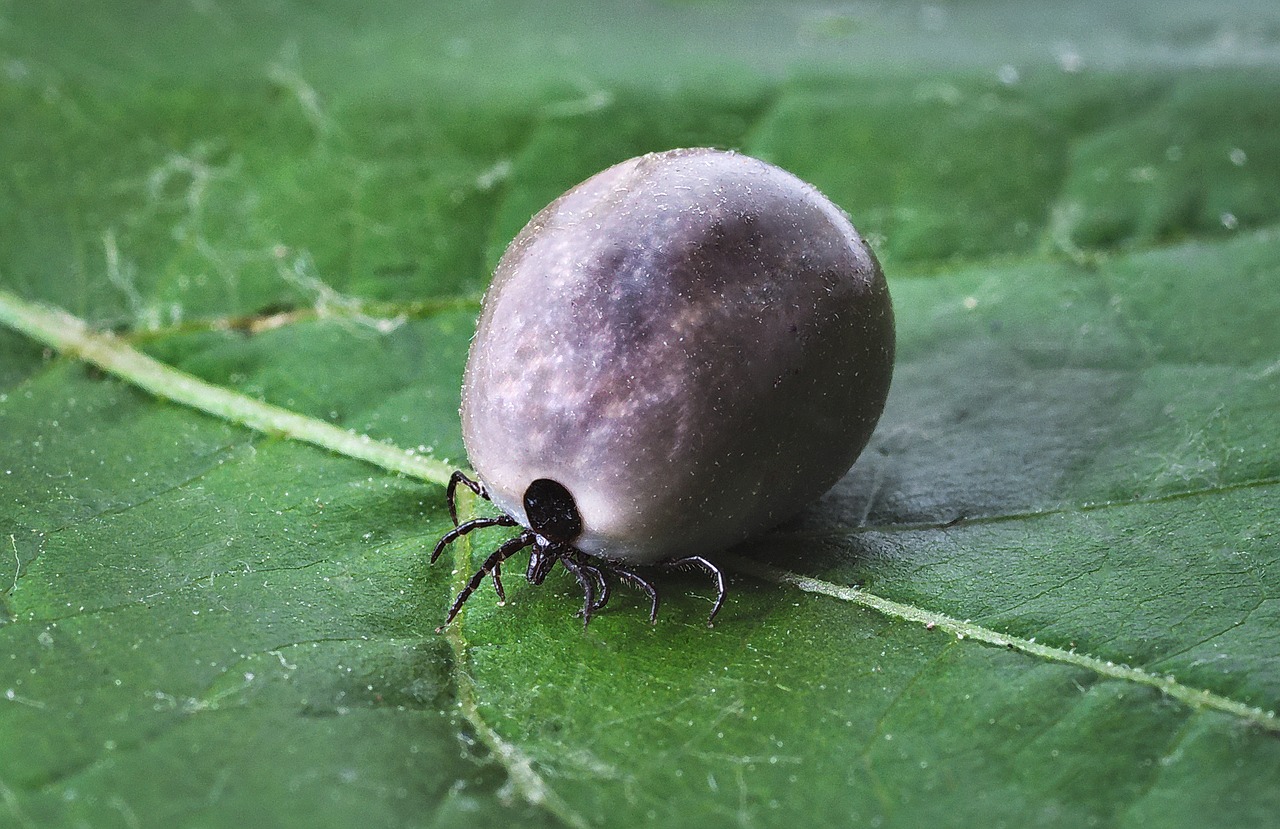
Photo: Pixabay
What attracts ticks?
Of course, an overgrown garden and hard-to-reach spots full of moisture. The same goes for untrimmed shrubs and large piles of fallen leaves. Ticks also love the smell of sweat and sweet to floral scents. That’s another reason why it pays to choose scents and plants that ticks dislike.
Go for mint and lavender
Sure. Ticks don’t like these plants. The scent of eucalyptus is also repellent to them. Natural insecticides, such as essential oils from lemongrass and similar plants, are also traditionally used. Lavender essential oil is, of course, excellent as well. Ticks also can’t stand garlic. If you include it in your diet, it will definitely help.
Sources: Author, Meta, https://pmc.ncbi.nlm.nih.gov/articles/PMC12737041/,https://www.globallymealliance.org/blog/the-power-of-plants-in-tick-prevention
Photo: Chat Day


Gardening is my hobby, I have a lot of experience and I am happy to share it.


0 comments